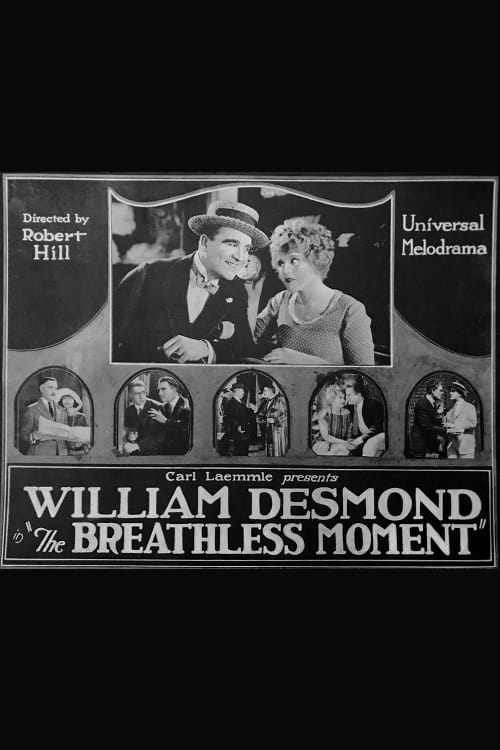
The Breathless Moment
1924
No user ratings available yet
Diversity score: 2.4 out of 10
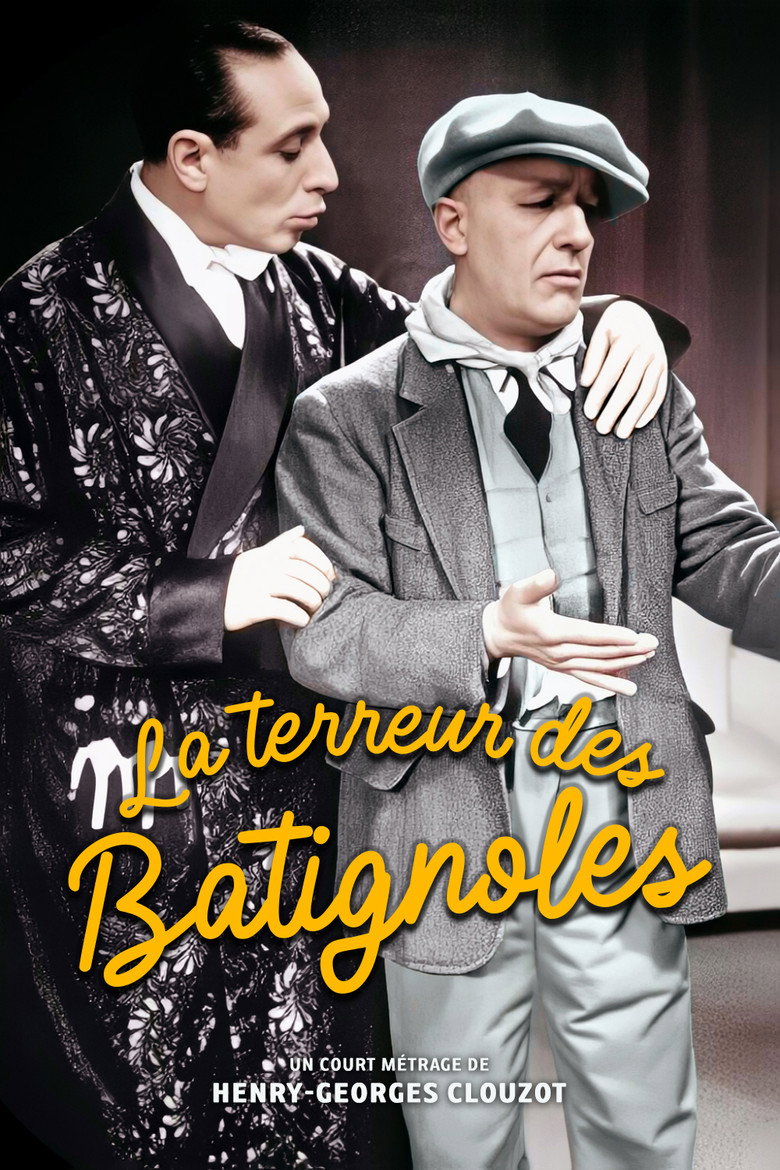
1931
Director
Henri-Georges Clouzot
Runtime
15 minutes
Average Rating
No ratings yetSynopsis
An expressionist comedy greatly influenced by German Expressionism set in a bohemian enclave of northern Paris, which Clouzot made shortly before he served as assistant director to Anatole Litvak and E.A. Dupont and began scripting French versions of German films at Berlin’s UFA studios.
Overall Score
Limited
Category Breakdown
LGBTQ+ Representation
The film lacks any evidence of non-cisnormative gender identities or same-sex intimacy. It appears to adhere to the heteronormative structures typical of 1931 French cinema.
Gender Representation
Set in a bohemian enclave, the film may offer slight departures from bourgeois gender roles. However, women do not appear to drive the plot through intellectual or physical superiority.
Racial & Ethnic Diversity
The northern Parisian setting suggests a culturally homogeneous environment. There is no documented evidence of non-white casting or the use of non-human species as racial metaphors.
Religious & Cultural Diversity
The bohemian setting and Expressionist influence suggest a focus on artistic individualism. It remains unclear if the film actively deconstructs Western institutions or religious structures.
Disability Representation
There is no documented evidence regarding the portrayal of physical or neurodivergent characters. The film's treatment of disability remains unverified.
Strengths
Areas for Improvement
AI Analysis
This early work by Henri-Georges Clouzot functions as a stylistic exercise in German Expressionism rather than a vehicle for social commentary. While the bohemian setting hints at a departure from rigid social norms, the film remains largely bound by the era's cinematic constraints. The narrative lacks measurable intersectional representation, focusing instead on a localized, culturally homogeneous Parisian environment. Any potential subversion of mainstream structures appears to be stylistic rather than a direct engagement with diverse identities. Ultimately, the film reflects the limited diversity metrics of 1931. It prioritizes expressionist aesthetics over the inclusion of varied racial, gender, or sexual identities.
1924
1925
1962
1913

1947
2013
1938
1972
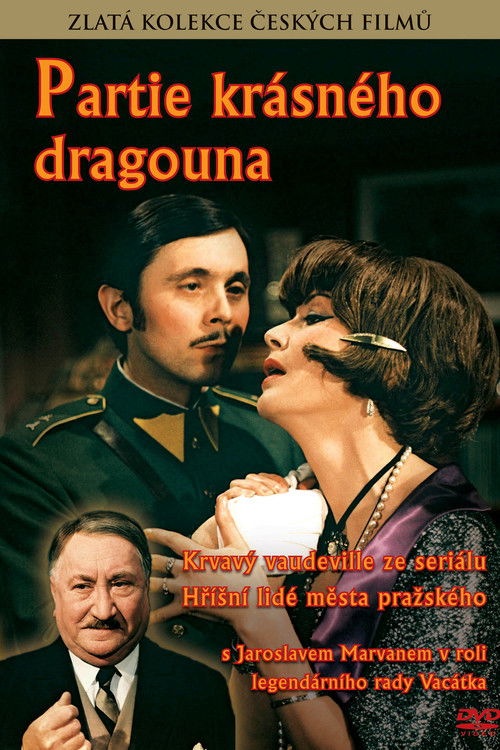
1971
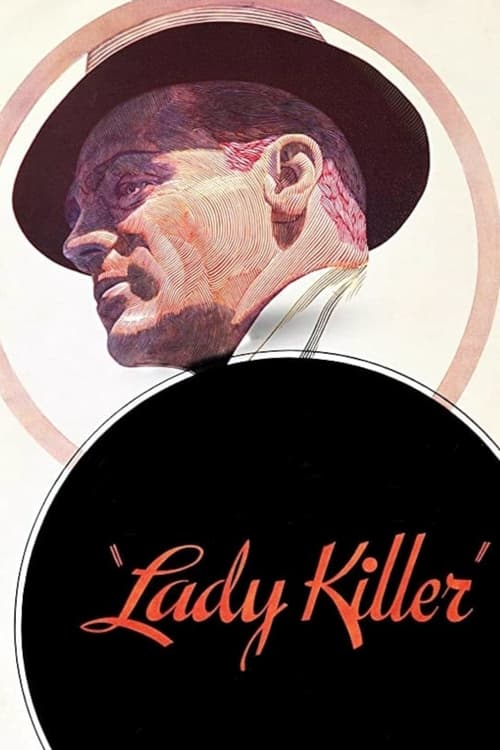
1933
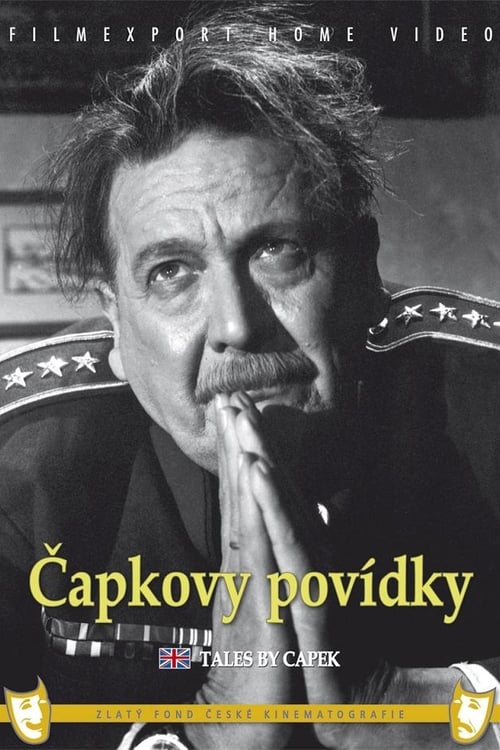
1947
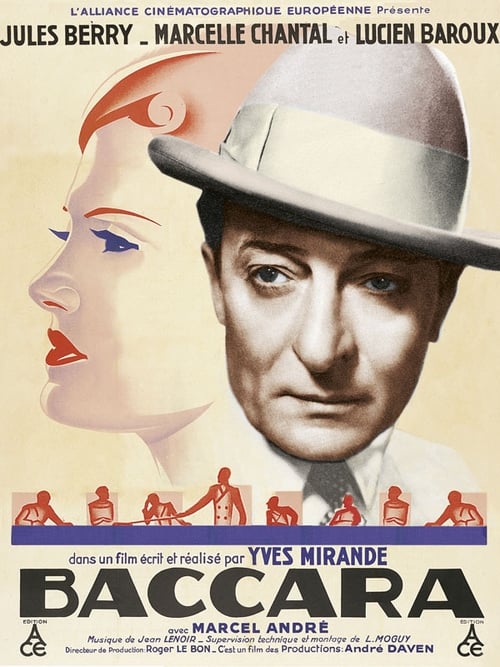
1935
No reviews yet. Be the first to share your thoughts on this movie!
Use the rating form above to leave a star rating and optional review.