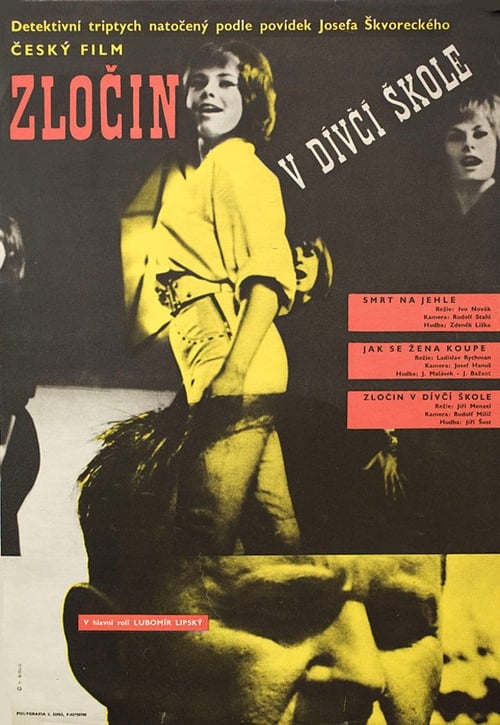
Crime at the Girls School
1966
No user ratings available yet
Representation score: 3.9 out of 10
Representation Score
Limited
1947
Director
Martin Frič
Runtime
106 minutes
Average Rating
No ratings yetNew Showbiz Analysis
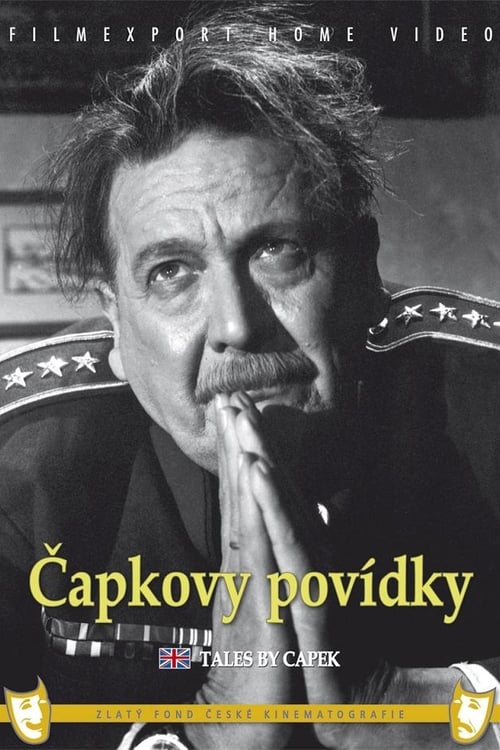
Capek's Tales is a product of its 1947 historical and geographical context. The anthology of crime stories follows traditional genre conventions, prioritizing social order and detective clichés over modern storytelling that reflects multiple aspects of identity. The narrative architecture is centered on a male perspective, with Superintendent Bartosek providing the framing narration. This reinforces the period's standard gender hierarchies and institutional authority. Overall, the film reflects a homogeneous cultural milieu. It lacks the intentional subversion of systemic hierarchies or the diverse representation found in contemporary cinema.
Category Breakdown
The film does not include any LGBTQ+ characters or narratives that challenge the assumption that everyone is straight or cisgender. It adheres to the social constraints and cinematic conventions of the post-war era.
Structural authority is held by a male police superintendent named Bartosek. The film reflects traditional gender hierarchies common to mid-century crime procedurals.
The production likely features a homogeneous Central European cast. It focuses on local social dynamics rather than intentional racial or ethnic blending.
The stories engage with institutional authority through a police narrator. The film operates within the moral frameworks typical of mid-century detective fiction.
There is no evidence that disability serves as a central component of the character arcs or plot drivers.
Present on Screen
Limited or Absent
Official Synopsis
Five crime stories connected by the narration of police superintendent Bartosek.
1966
2013
1937

1967
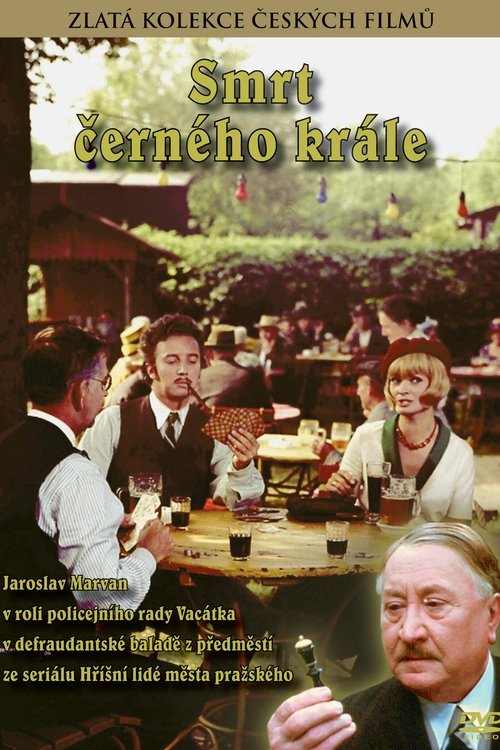
1972
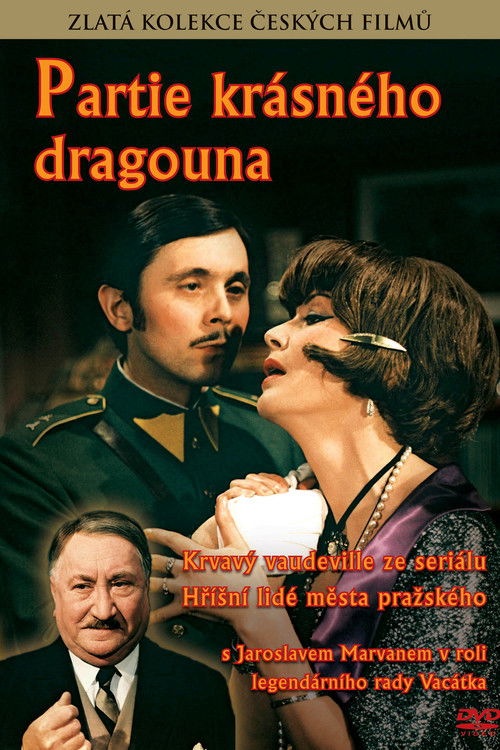
1971
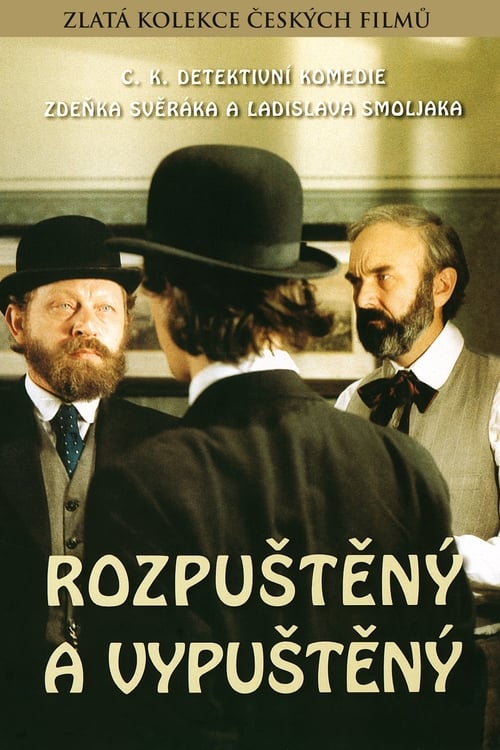
1985

1962
No reviews yet. Be the first to share your thoughts on this movie!
Use the rating form above to leave a star rating and optional review.