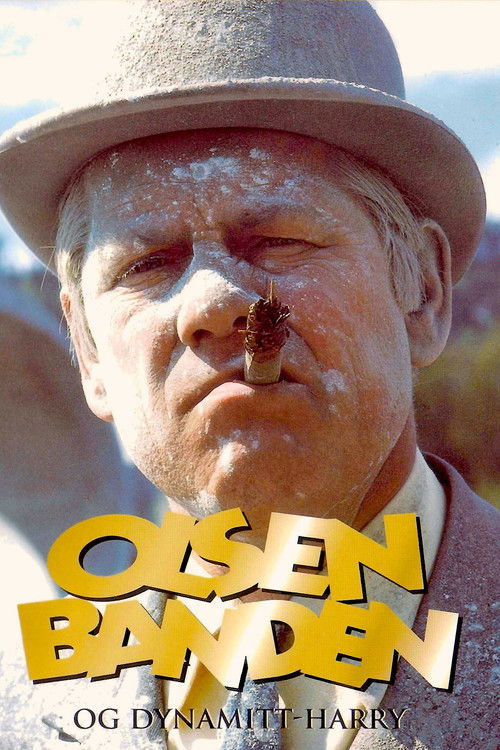
The Olsen Gang and Dynamite-Harry
1970
No user ratings available yet
Diversity score: 2.9 out of 10
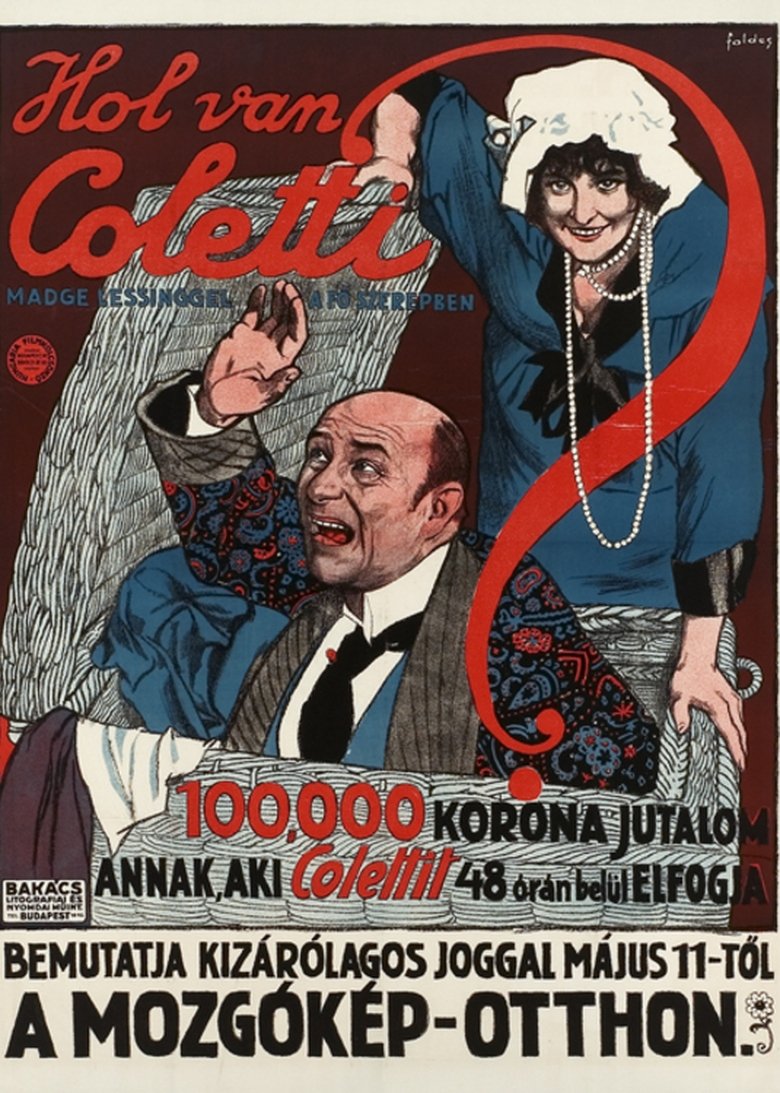
1913
Director
Max Mack
Runtime
86 minutes
Average Rating
No ratings yetSynopsis
Jean Coletti, a popular police detective, criticized for not using the press to help catch criminals, wages 100.000 marks that he can lose himself in Berlin for forty-eight hours without being caught.
Overall Score
Limited
Category Breakdown
LGBTQ+ Representation
The film contains no evidence of non-cisnormative identities. It appears to follow the standard social compositions of the 1913 era.
Gender Representation
While the cast features prominent female performers, the narrative centers on a male detective's wager. This suggests a traditional patriarchal structure typical of early silent comedies.
Racial & Ethnic Diversity
The production likely reflects the homogeneous social landscape of early 20th-century Berlin. There is no indication of intentional ethnic blending or race-bent casting.
Religious & Cultural Diversity
The story offers a subtle critique of Western institutional structures. It disrupts the perceived infallibility of state and media institutions through its protagonist's skepticism.
Disability Representation
There is no evidence regarding the inclusion of characters with physical, sensory, or neurodivergent traits.
Strengths
Areas for Improvement
AI Analysis
Max Mack’s comedy functions primarily as a genre-driven piece rather than a vehicle for intersectional representation. The film's value lies in its narrative subversion of institutional competence rather than demographic variety. The plot focuses on a detective challenging the efficacy of police bureaucracy and the press. This creates a character-driven critique of systemic reliance on media-driven justice. Ultimately, the film is a product of its era, reflecting the social norms of 1913 Berlin while prioritizing individual agency over modern identity-focused storytelling.
1970

1947

1931

1968
1924
1925
1954
1975
1938

1938
1947
1946
No reviews yet. Be the first to share your thoughts on this movie!
Use the rating form above to leave a star rating and optional review.