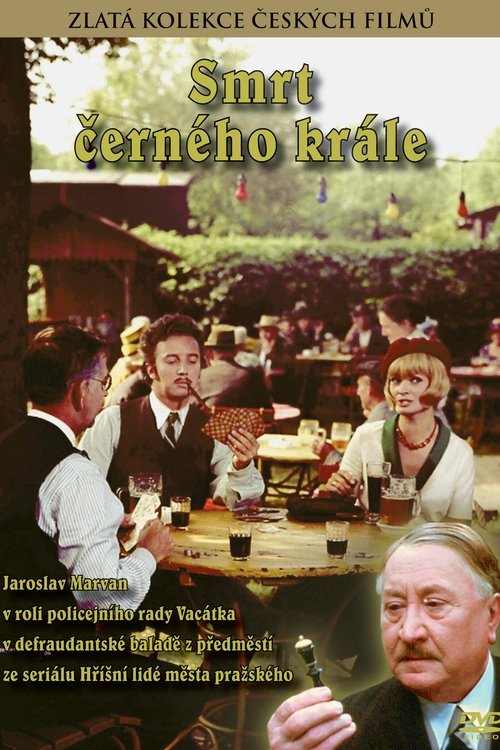
The Death of Black King
1972
No user ratings available yet
Representation score: 3.2 out of 10
Representation Score
Limited
1971
Director
Jiří Sequens
Runtime
89 minutes
Average Rating
No ratings yetNew Showbiz Analysis
The film operates as a conventional 1970s crime comedy, relying heavily on established social hierarchies. The narrative structure prioritizes male-dominated investigative roles, leaving female characters in secondary, reactive positions. Demographically, the work is localized to a specific Czechoslovakian context, resulting in a lack of racial or ethnic diversity. The storytelling adheres to traditional genre clichés rather than seeking to disrupt social norms. Ultimately, the film functions as a standard procedural piece. It lacks the characters who reflect more than one aspect of diversity or progressive social commentary required to move beyond the era's typical demographic and gendered constraints.
Category Breakdown
The film does not include any explicit LGBTQ+ characters or situations. The plot focuses on a traditional romantic relationship between the Superintendent's daughter and another character, with no clear queer subtext.
Male figures hold the primary investigative roles, while female characters mainly serve as victims or environmental elements. The narrative structure reflects traditional mid-century gender hierarchies, limiting the roles of women.
The production mirrors the demographic uniformity of 1971 Czechoslovakia. There is no indication of a multi-ethnic cast or intentional racial diversity within the local Prague setting.
The story follows standard procedural logic common to crime fiction. It explores individual guilt versus systemic procedures without critiquing religion or Western institutions explicitly.
There is no mention of characters with visible or invisible disabilities. No disability-related character arcs are present in the narrative.
Present on Screen
Limited or Absent
Official Synopsis
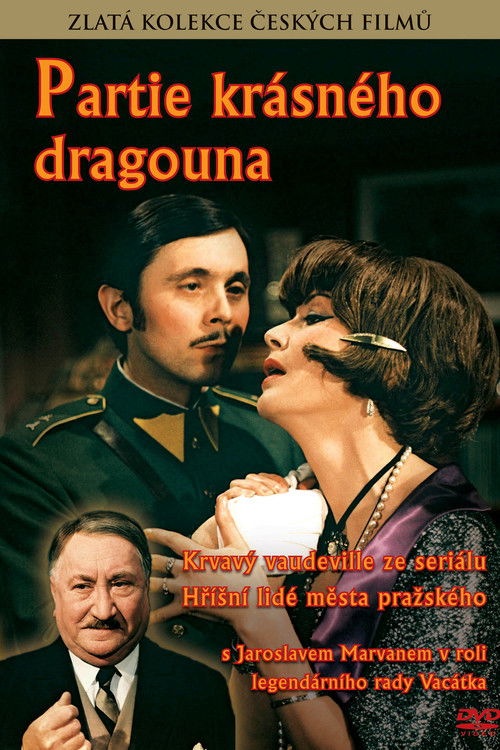
In a suburban villa, a woman of means is murdered. Police Superintendent Zdychynec from the Prague Liben neighborhood reports the case to Police Councilman Vacátko, upon whose order an investigation is launched immediately. Zdychynec begins to suspect the wooer of his own daughter, a handsome dragoon named Rudi, of the crime. In Rudi's absence, Zdychynec searches his rented room in the apartment of the elegant Mrs Dragicová. All his findings - among others, sand left on Rudi's jackboots and a decent amount of money in his bedside table - convince the superintendent that he is following the right lead, especially when Rudi refuses to say where he was at the time of the murder.
1972
1983
1961
2014
1960
1968
1980
1985
No reviews yet. Be the first to share your thoughts on this movie!
Use the rating form above to leave a star rating and optional review.