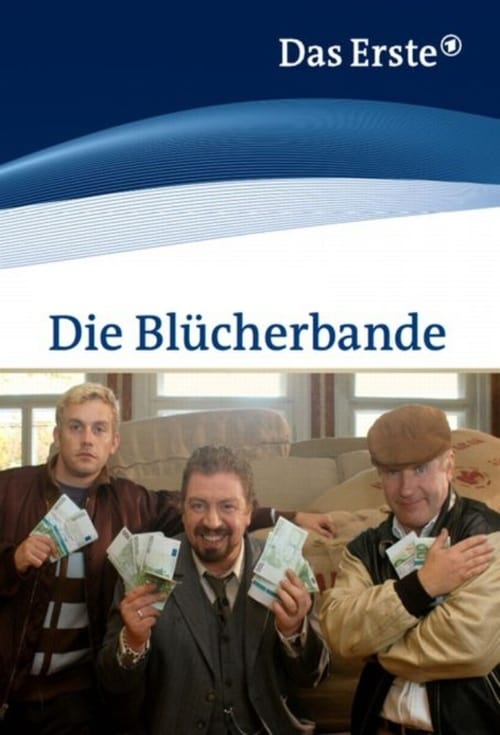
Die Blücherbande
2009
No user ratings available yet
Representation score: 3.8 out of 10
Representation Score
Limited
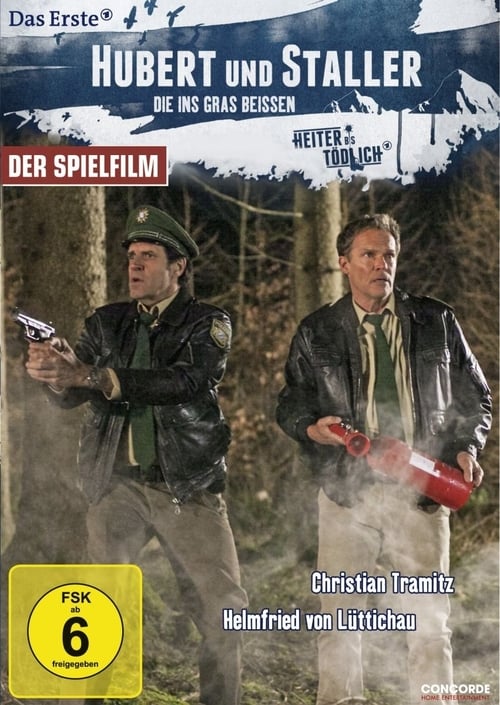
2013
Director
Wilhelm Engelhardt
Runtime
88 minutes
Average Rating
No ratings yetNew Showbiz Analysis
Hubert und Staller - Die ins Gras beißen functions as a conventional regional comedy grounded in Bavarian crime clichés. The narrative emphasizes localized social dynamics and traditional character studies, lacking multi-layered complexity. The film relies heavily on established genre conventions, resulting in limited demographic variety. Most narrative ability to act is held by male protagonists within male-dominated institutions, reinforcing standard social hierarchies. While the film introduces moral ambiguity through the elderly characters' cannabis cultivation, it does not aim to challenge broader systemic or cultural norms.
Category Breakdown
The film does not include any LGBTQ+ characters or stories focusing on non-assuming gender matches what was assigned at birth identities. The plot revolves around a traditional crime-comedy setup centered on male protagonists.
Male characters such as Hubert, Staller, and Girwidz play key roles in driving the story. The narrative focuses on a male-dominated police precinct and traditional gender hierarchies.
The Upper Bavarian setting implies a homogeneous social environment. There is no indication of a multi-ethnic cast or diverse racial representation within the localized framework.
The plot explores non-traditional lifestyle choices through elderly characters growing cannabis. However, the film remains anchored in regional traditions and social structures.
While the plot involves an elderly population in a retirement home, there is no evidence of physical or neurodivergent disabilities influencing character's ability to drive the story.
Present on Screen
Limited or Absent
Official Synopsis
Hubert and Staller find the first body in the forest, the second practically falls into their laps. The trail leads to a retirement home, of all places. The old men finance their retirement by growing cannabis, and they have also been blackmailed, but that doesn't make them murderers. Or does it? Meanwhile, precinct manager Girwidz is hoping for a promotion: his old boss has announced his arrival. However, the police director is in Upper Bavaria for a completely different reason.
2009
2013
2003
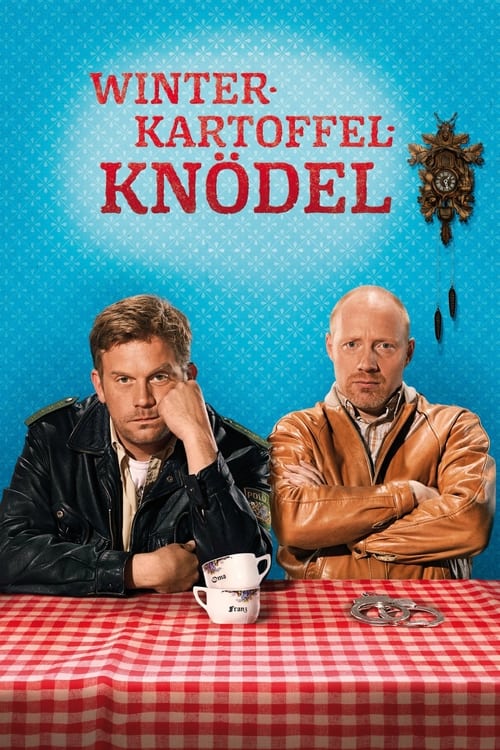
2014

2018
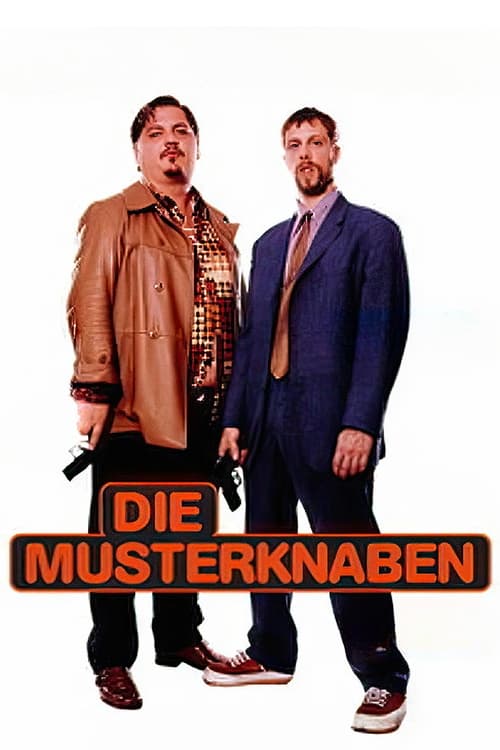
1997
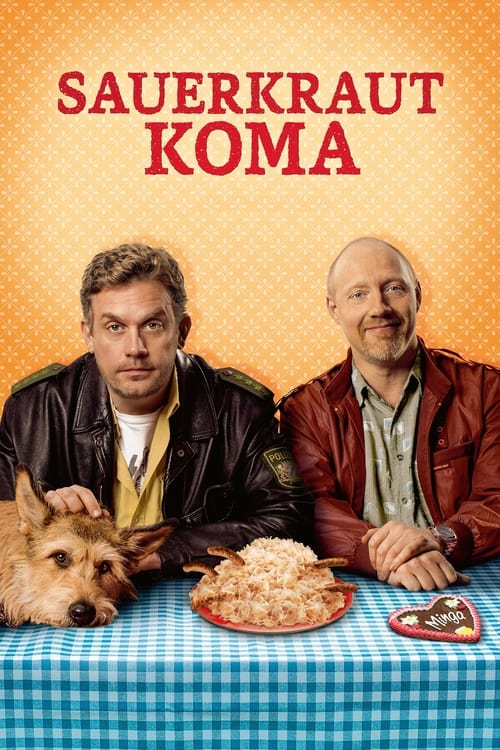
2018
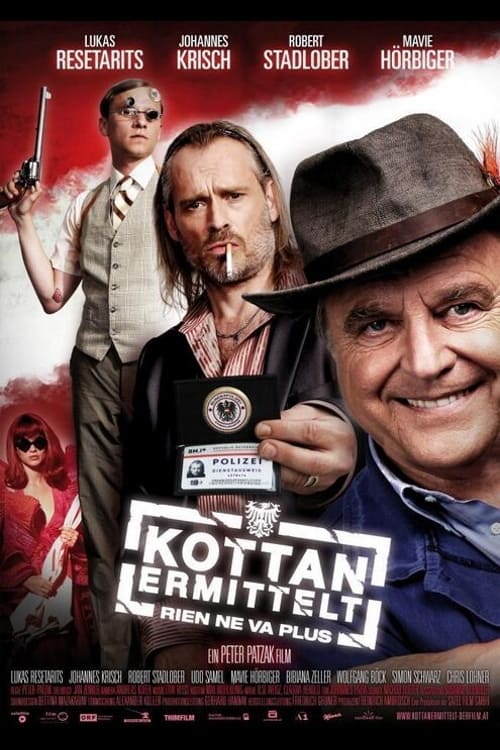
2010
No reviews yet. Be the first to share your thoughts on this movie!
Use the rating form above to leave a star rating and optional review.