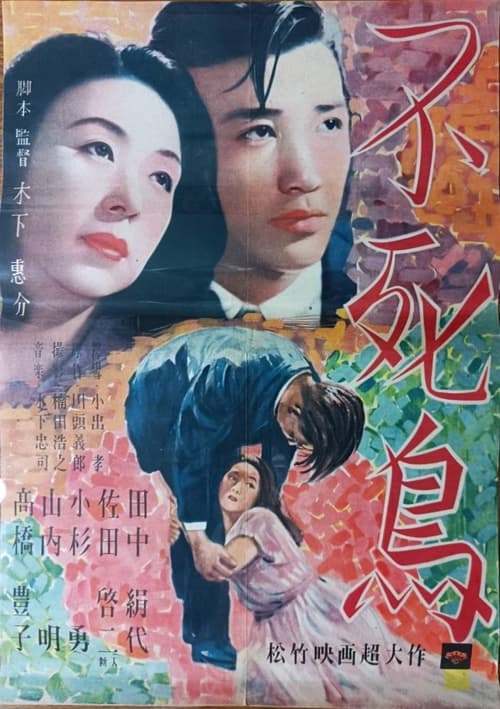
Phoenix
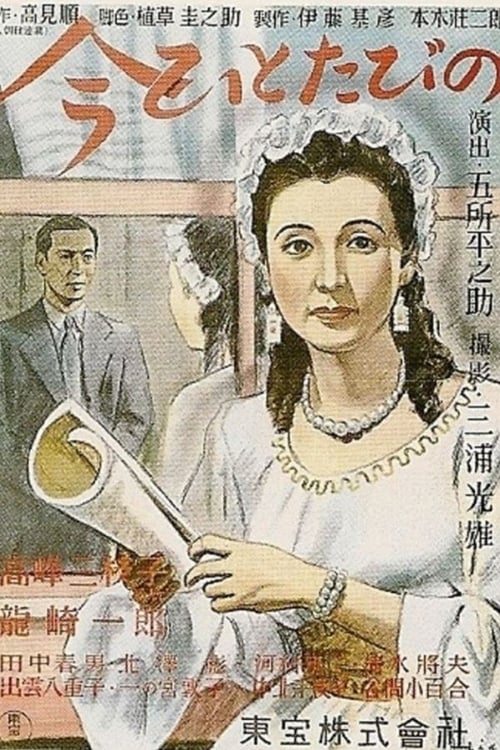
1947
No user ratings available yet
Representation score: 3.5 out of 10

Representation Score
Limited
1955
Director
Keisuke Kinoshita
Runtime
93 minutes
Average Rating
No ratings yetNew Showbiz Analysis
Kinoshita’s drama succeeds by prioritizing character depth and emotional authenticity over rigid genre clichés. It offers a humanistic look at the individual's struggle against social structures, particularly through its nuanced portrayal of women's ability to drive the story. However, the film is a product of its time, lacking modern markers of diversity. The absence of LGBTQ+ identities or non-assuming gender matches what was assigned at birth gender narratives and the lack of characters with disabilities limit its scope by contemporary standards. Ultimately, the film serves as an authentic window into post-war Japanese identity, favoring subjective morality and personal sacrifice over a singular, rigid moral code.
Category Breakdown
The film focuses on a traditional romance between a man and a woman, adhering to the conventions that assume everyone is straight or cisgender. It does not include any queer narratives.
The narrative challenges passive female clichés by centering on a woman's emotional resilience and her significant role in driving the story. Despite mid-century social constraints, she plays a leading, active role.
The cast is culturally homogeneous, reflecting a domestic Japanese production. It provides an authentic representation of Japanese identity during the post-war period.
The story explores the tension between individual desires and societal duties in post-war Japan. It focuses on localized, lived experiences rather than idealized Western structures.
There is no evidence of characters with visible or invisible disabilities being central to the narrative or portrayed with real power.
Present on Screen
Limited or Absent
Official Synopsis
On the way back to his childhood home, a septuagenarian man recalls his childhood and adolescence, in particular his love for a young woman.
1947

1939
1953

1998

1964
1966
2018
1947
No reviews yet. Be the first to share your thoughts on this movie!
Use the rating form above to leave a star rating and optional review.