Phoenix
1947
No user ratings available yet
Representation score: 3.5 out of 10
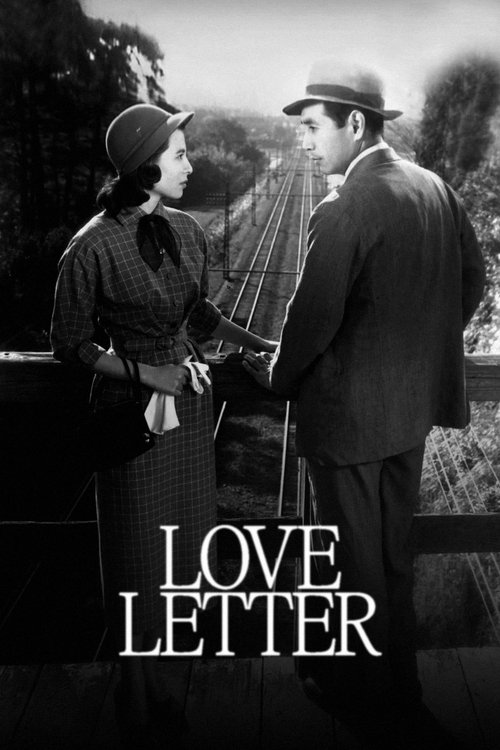
Representation Score
Good
1953
Director
Kinuyo Tanaka
Runtime
98 minutes
Average Rating
No ratings yetNew Showbiz Analysis
Kinuyo Tanaka’s *Love Letter* is a sophisticated period drama that prioritizes individual emotional truth over rigid institutional morality. It excels in its depiction of gendered resilience, offering a progressive look at women's ability to drive the story during Japan's post-war reconstruction. However, the film remains limited by its lack of explicit markers reflecting multiple aspects of identity. The narrative is culturally homogeneous and lacks representation of LGBTQ+ identities or specific explorations of disability, focusing instead on the broader psychological scars of a nation in flux.
Category Breakdown
The film does not explicitly depict non-straight relationships or same-sex intimacy. Instead, it focuses on traditional romantic longing within the established social order.
Tanaka breaks traditional cinematic clichés by highlighting women's ability to drive the story and emotional resilience. The film provides a nuanced portrayal of women's intellect and social navigation skills.
The production features a culturally homogeneous Japanese cast. It authentically represents a specific national identity during a period of historical transition.
The story explores the socioeconomic instability of post-war Japan. It highlights the difficulty of maintaining personal dignity amid a landscape of shifting social institutions.
There is no significant evidence of characters with visible or invisible disabilities driving the plot. Psychological trauma is treated as a collective societal condition rather than individual disability.
Present on Screen
Limited or Absent
Official Synopsis
Five years after the end of the Second World War, Reikichi, a repatriated veteran, translates love letters for Japanese women to American GIs, while searching for his lost love, Michiko.
1947

1955

1964

1938

1955
1966
2021

1962
No reviews yet. Be the first to share your thoughts on this movie!
Use the rating form above to leave a star rating and optional review.