From Up on Poppy Hill
2011
No user ratings available yet
Representation score: 2.4 out of 10
Representation Score
Limited
2007
Director
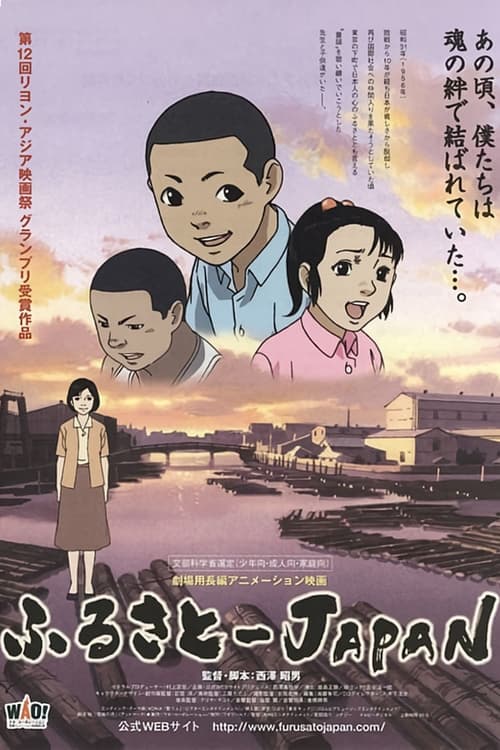
Akio Nishizawa
Runtime
97 minutes
Average Rating
No ratings yetNew Showbiz Analysis
Set in 1956, the film explores Japan's transition from post-war poverty toward international reintegration. The narrative structure reinforces traditional social structures and historical continuity. The story emphasizes the preservation of cultural heritage to maintain national identity, suggesting a conservative approach to storytelling that prioritizes stability. While the female protagonist holds pedagogical authority, the overarching themes remain rooted in traditional values of community and cultural stewardship.
Category Breakdown
The film focuses on teaching and cultural preservation within a traditional 1956 setting. There are no depictions of LGBTQ+ identities or same-sex relationships.
A female teacher serves as the central protagonist, providing intellectual leadership. However, her role centers on nurturing and cultural stewardship, aligning with traditional feminine roles.
The narrative is deeply homogeneous, focusing on the internal preservation of Japanese traditions. It lacks multi-ethnic casting or diverse racial perspectives.
The story celebrates national heritage and historical reverence. It prioritizes the stability of national institutions and cultural cohesion over any critique of established traditions.
There are no discernible depictions of physical or neurodivergent characters within the narrative.
Present on Screen
Limited or Absent
Official Synopsis
The 31st year of the Showa Era (1956) marked the tenth year since Japan's defeat in World War II. It was when Japan took its first step out of post-war poverty to rejoin the international community. In old downtown Tokyo, a teacher and her students try to pass down Doyo (Japanese traditional children's songs) as the root of Japanese cultural identity to the future generations.
2011
1983
1991

2013
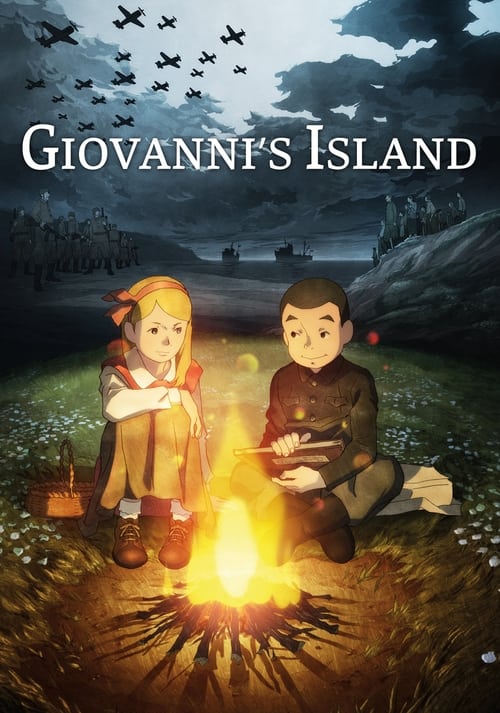
2014
2012
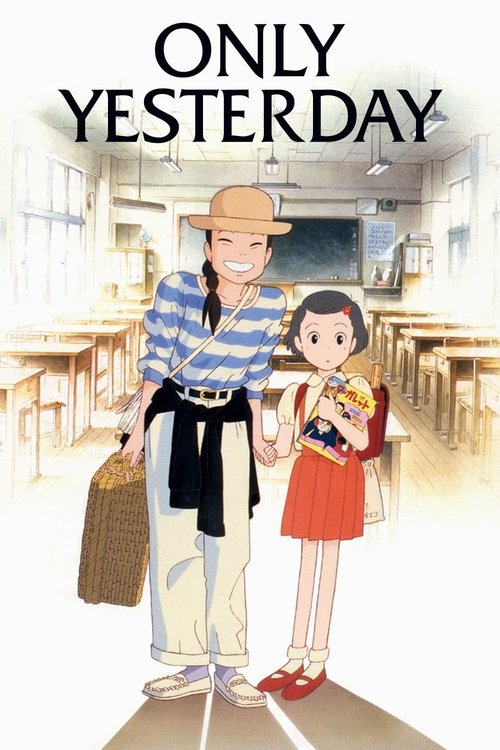
1991
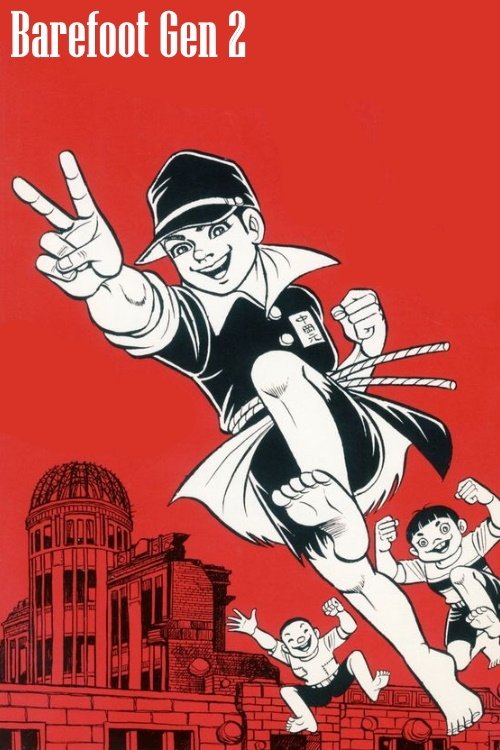
1986
No reviews yet. Be the first to share your thoughts on this movie!
Use the rating form above to leave a star rating and optional review.