
The Demon
1972
No user ratings available yet
Representation score: 1.8 out of 10
Representation Score
Fair
1979
Not RatedDirector
Kihachiro Kawamoto
Runtime
19 minutes
Average Rating
No ratings yetNew Showbiz Analysis
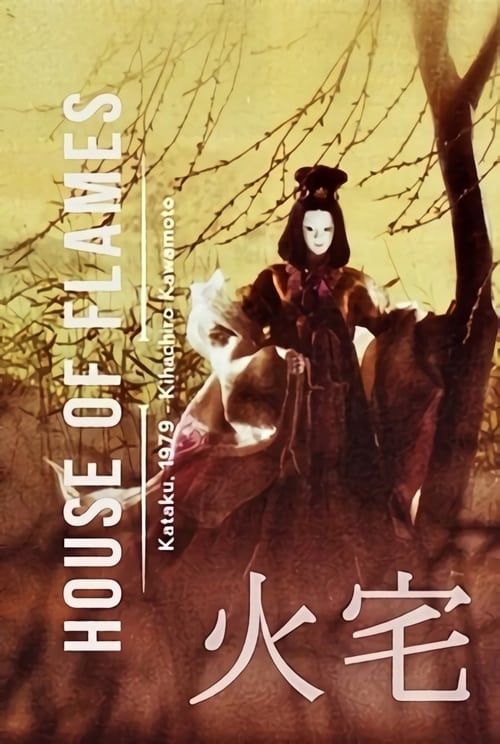
House of Flames offers a culturally specific experience that challenges Western-centric storytelling norms. By utilizing Japanese folklore and a non-secular framework, the film establishes a unique narrative architecture rooted in mythic tradition. The film provides meaningful ability to act to its female character, who acts as a navigator rather than a mere bystander. This subtle disruption of gender clichés adds depth to the traveler's journey. However, the work lacks explicit representation of diverse social identities or queer narratives. The focus remains primarily on a singular, atmospheric encounter rather than a broader exploration of diverse social identities.
Category Breakdown
The film focuses on a solitary encounter between a traveler and a maiden. Although no explicit LGBTQ identities are shown, the atmosphere allows for interpretations of non-traditional social structures.
A solitary maiden serves as a functional guide for the protagonist, granting her meaningful ability to act and shifting her away from being a passive observer in the journey.
Set in the Settsu region of Japan, the film provides a non-Western perspective. It avoids a Western gaze by grounding its world-building in specific Japanese geography and folklore.
The protagonist's quest for the Seeker's Mound suggests a focus on spiritual or metaphysical inquiry. The narrative prioritizes subjective experience and mythic storytelling over traditional Western moral arcs.
The available narrative details do not mention or depict any physical or neurodivergent disabilities.
Present on Screen
Limited or Absent
Official Synopsis
Through puppets and animation, a traveler tells his story of walking through Settsu, coming to the town of Ikuta. He asks if someone can show him the Seeker's Mound. Late that day, a solitary maiden says she will lead him there.
1972
1968
2005
1992

1972
1969
1988

2007
No reviews yet. Be the first to share your thoughts on this movie!
Use the rating form above to leave a star rating and optional review.