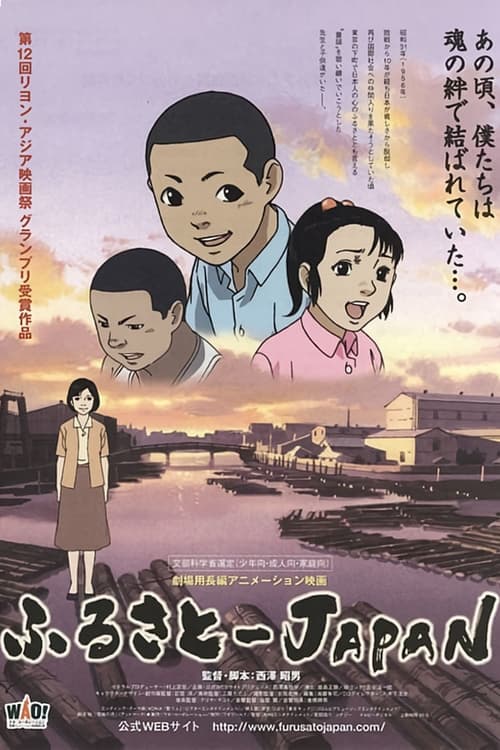
JAPAN, Our Homeland
2007
No user ratings available yet
Representation score: 2.2 out of 10
Representation Score
Limited
2011
PGDirector
Goro Miyazaki
Runtime
91 minutes
Average Rating
No ratings yetNew Showbiz Analysis
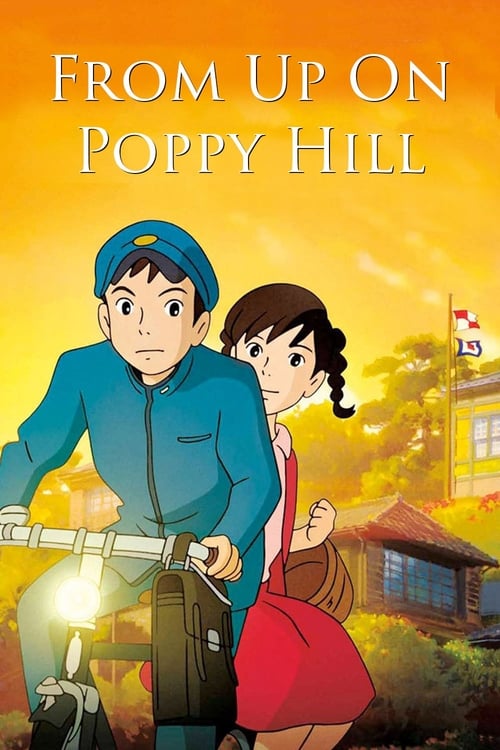
From Up on Poppy Hill is a period-specific drama that prioritizes historical authenticity over contemporary characters who reflect more than one aspect of diversity. It functions as a high-fidelity portrayal of 1960s Japan, focusing on the emotional weight of nostalgia and the challenges of a nation in transition. The film lacks progressive markers of identity-driven storytelling, such as LGBTQ+ representation or disability inclusion. Instead, it utilizes character's ability to drive the story to navigate the complexities of familial legacy and the preservation of memory during a time of rapid modernization. While the cast is culturally homogeneous, the film succeeds in providing a nuanced exploration of Japanese identity. It captures the specific social and cultural atmosphere of the era without attempting to disrupt traditional demographic norms.
Category Breakdown
The story centers on a traditional romantic relationship between Umi and Shun, and there is no indication of LGBTQ+ representation or non-cisgender identities.
Umi Matsuzaki plays a significant role in managing her household and leading students. She is competent and capable, although the film still operates within the gendered social structures of the era.
Set in post-war Japan, the film portrays a culturally homogeneous society focused on a specific Japanese identity during a period of transition. It does not explore multi-ethnic or diverse demographics.
The narrative explores the tension between traditional communal values and rapid modernization. It uses the struggle to save a clubhouse to highlight the loss of heritage due to urban expansion.
The characters are portrayed within able-bodied and neurotypical norms. There are no depictions of visible or invisible disabilities among the characters.
Present on Screen
Limited or Absent
Official Synopsis
Yokohama, 1963. Japan is picking itself up from the devastation of World War II and preparing to host the 1964 Olympics—and the mood is one of both optimism and conflict as the young generation struggles to throw off the shackles of a troubled past. Against this backdrop of hope and change, a friendship begins to blossom between high school students Umi and Shun—but a buried secret from their past emerges to cast a shadow on the future and pull them apart.
2007

2013
1991
1983
2016

2016
2019
2013
No reviews yet. Be the first to share your thoughts on this movie!
Use the rating form above to leave a star rating and optional review.