
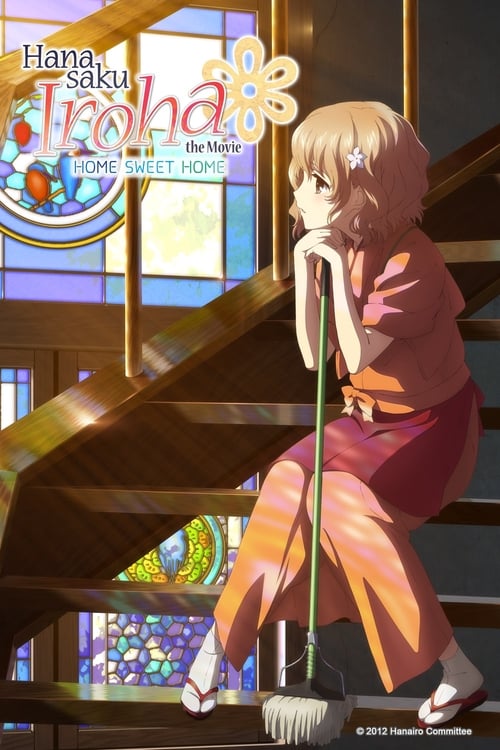
anohana: The Flower We Saw That Day - The Movie
2013
No user ratings available yet
Diversity score: 3.3 out of 10
2016
Director
Katsuichi Nakayama, Shunsuke Machitani, Naokatsu Tsuda
Runtime
117 minutes
Average Rating
No ratings yetSynopsis
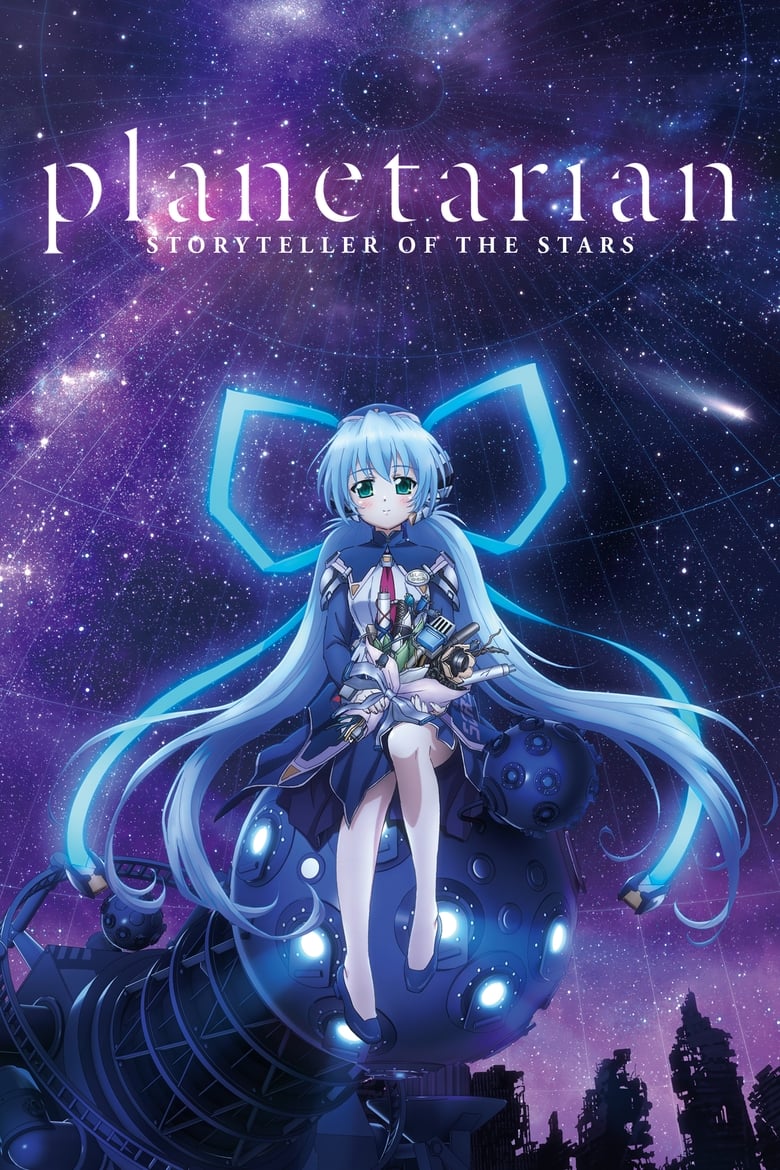
The film adapts and expands the Planetarian visual novel by Key. The story is set in a dystopian future where biological and nuclear warfare has left a once prosperous civilization in complete ruin. The film tells the story of an old man travelling around with a mobile planetarium projector to show people the stars.
Overall Score
Limited
Category Breakdown
LGBTQ+ Representation
The story centers on a heteronormative bond between a male protagonist and a female-coded AI. It lacks non-cisnormative identities or narratives that challenge traditional romantic archetypes.
Gender Representation
The dynamic follows a classic protector and companion framework. While the female character provides emotional agency and moral guidance, the film does little to subvert traditional gender hierarchies.
Racial & Ethnic Diversity
Set in a post-apocalyptic landscape, the film maintains a culturally homogeneous Japanese aesthetic. It does not feature diverse racial identities or attempt to expand beyond a singular ethnic perspective.
Religious & Cultural Diversity
The narrative explores a society stripped of Western institutions like capitalism or religion. This absence is a byproduct of environmental collapse rather than a proactive ideological critique.
Disability Representation
The film touches on the psychological toll of isolation but lacks characters with specific physical or neurodivergent disabilities. Characters are defined by survival rather than disability-specific narratives.
Strengths
Areas for Improvement
AI Analysis
Planetarian: Hoshi no Hito is a contemplative existential drama that prioritizes individual emotional intimacy over systemic or identity-based exploration. The film functions as a closed emotional ecosystem, focusing on the persistence of memory within a post-societal vacuum. Because the narrative is designed to facilitate a study of loneliness, it lacks the intentionality needed to disrupt traditional hierarchies. The work adheres to conventional character archetypes and remains culturally specific to a Japanese aesthetic. Ultimately, the film's focus on a singular, localized experience results in a lack of intersectional representation or engagement with a broader sociopolitical landscape.
2013
2007
2011
2001
2011
2019
2010
2010

2019

2017
2013

2014
No reviews yet. Be the first to share your thoughts on this movie!
Use the rating form above to leave a star rating and optional review.