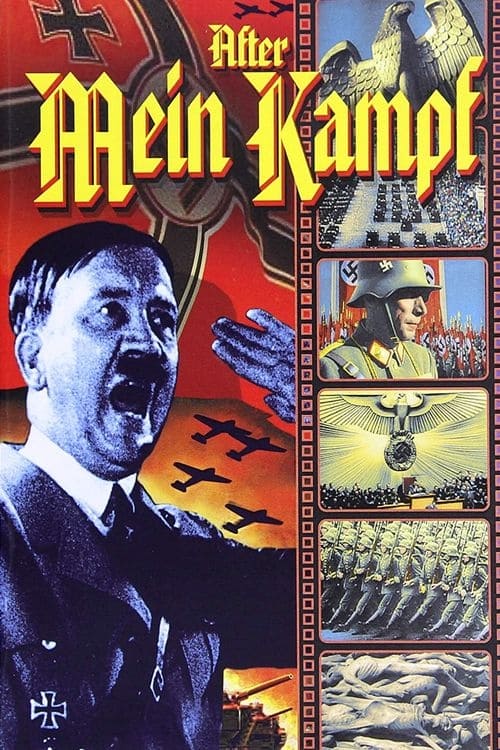
After Mein Kampf
1940
No user ratings available yet
Representation score: 1.0 out of 10
Representation Score
Minimal
1943
NRDirector
Clyde Geronimi
Runtime
10 minutes
Average Rating
No ratings yetNew Showbiz Analysis
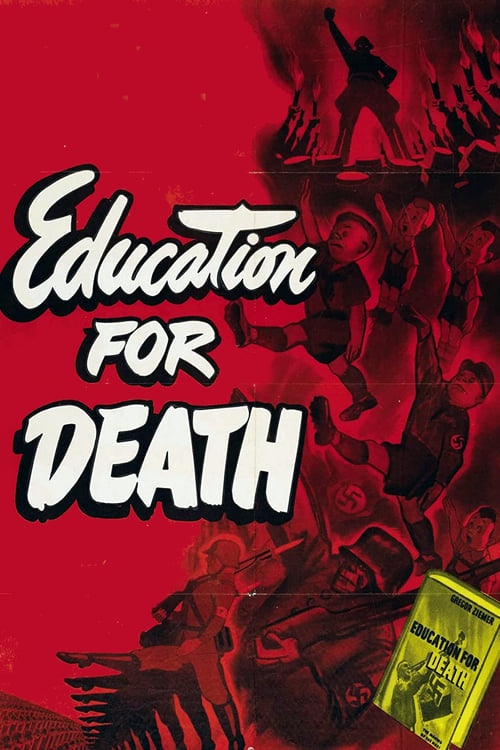
Education for Death serves as a historical propaganda tool designed to deconstruct totalitarian ideology rather than explore diverse identities. Its primary goal is to illustrate how a state dismantles individuality to create uniform political instruments. The film lacks progressive representation, focusing instead on the systematic erasure of personal identity within a homogeneous society. It functions as a critical examination of indoctrination rather than a character-driven drama. Since the work is designed for wartime mobilization, it prioritizes the critique of state-mandated collectivism over the inclusion of underrepresented groups or perspectives that reflect multiple aspects of identity.
Category Breakdown
The film does not depict any LGBTQ+ identities or non-straight relationships. It focuses solely on the rigid social structures mandated by the Third Reich.
The movie shows a strict gender hierarchy where masculinity is linked to military service and femininity to domestic life. While it criticizes these roles as indoctrination tools, it presents them through a traditional lens.
The film features a homogeneous depiction of the German population, with no racial or ethnic diversity. It emphasizes a singular, ethnically uniform perspective to reflect the regime's monolithic nature.
The narrative critiques the erosion of traditional Western institutions, such as family and religion, by a totalitarian state. It highlights individual autonomy against state-mandated collectivism.
The film does not portray any visible or invisible disabilities. Instead, it focuses on the psychological conditioning of a standardized youth population, without addressing neurodivergence or physical disabilities.
Present on Screen
Limited or Absent
Official Synopsis
A propaganda film during World War II about a boy who grows up to become a Nazi soldier.
1940

1935
1940

2004
1947
1991

1941

1943
No reviews yet. Be the first to share your thoughts on this movie!
Use the rating form above to leave a star rating and optional review.