Demon Slayer: Kimetsu no Yaiba - Sibling's Bond
2019
No user ratings available yet
Representation score: 3.5 out of 10
Representation Score
Fair
2018
TV-14Director
Shinsuke Sato
Runtime
108 minutes
Average Rating
No ratings yetNew Showbiz Analysis
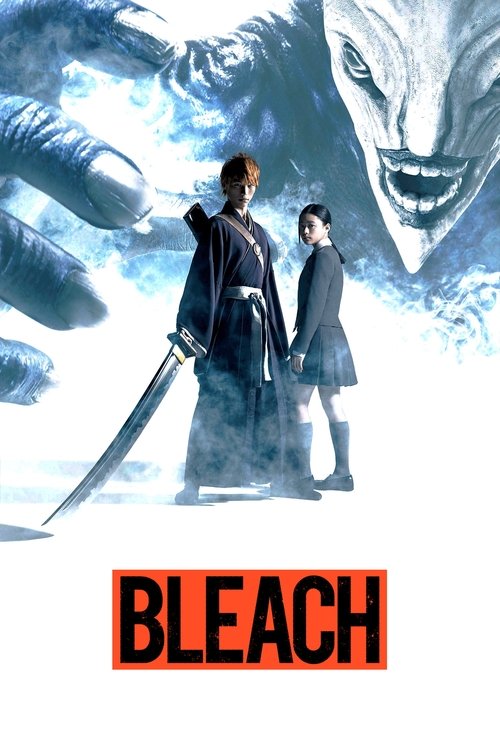
Bleach (2018) adheres closely to the conventions of the shonen genre, emphasizing traditional hero-journey clichés. The narrative structure revolves around themes of duty and heroism, with limited engagement with contemporary social issues. One of the film's strengths lies in its portrayal of Rukia Kuchiki as a powerful and authoritative mentor, breaking away from the typical damsel in distress cliché. However, the production lacks intentional efforts to broaden its demographic representation, focusing instead on a homogenous setting and characters.
Category Breakdown
The film centers around traditional heterosexual relationships and social norms, without addressing non-straight or non-cisgender identities. It does not include narratives that question conventional interpersonal dynamics.
Rukia Kuchiki plays a significant role in driving the story and mentoring others, rather than being a passive character. Her combat skills and leadership challenge the typical damsel in distress cliché.
The casting and settings are predominantly homogeneous, reflecting a modern urban Japanese context. The narrative does not incorporate race-bending or diverse ethnic metaphors to broaden its demographic appeal.
The story emphasizes maintaining order and personal responsibility within traditional authority structures. It upholds religious and cultural norms without questioning them.
Characters with visible or invisible disabilities are not central to the narrative. The film’s metaphysical themes involving ghosts do not serve as explorations of neurodivergence or physical disabilities.
Present on Screen
Limited or Absent
Official Synopsis
High school student Ichigo Kurosaki lives an ordinary life, besides being able to see ghosts and the blurry memories of his mother's death under strange circumstances when he was a kid. His peaceful world suddenly breaks as he meets Rukia Kuchiki, a God of Death.
2019

2006
2019
2008
2021
2017

2015

2010
No reviews yet. Be the first to share your thoughts on this movie!
Use the rating form above to leave a star rating and optional review.