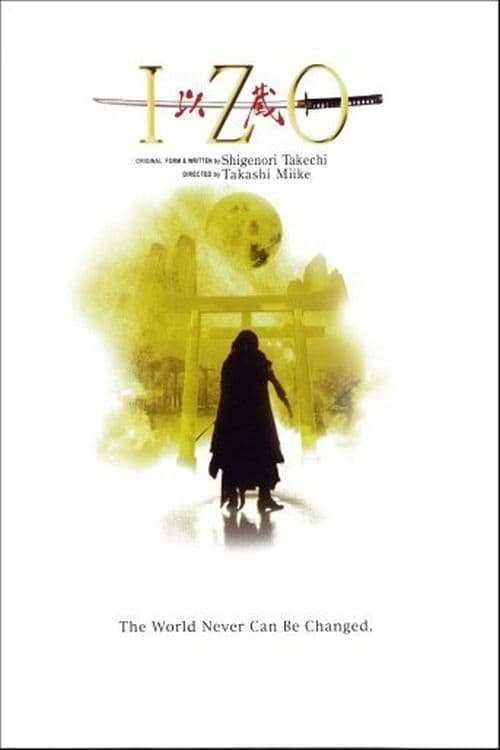
Izo
2004
No user ratings available yet
Representation score: 1.5 out of 10
Representation Score
Good
2017
RDirector
Takashi Miike
Runtime
140 minutes
Average Rating
No ratings yetNew Showbiz Analysis
Takashi Miike’s film centers on a female character's autonomy and a rejection of absolute moral hierarchies. While the setting is hyper-masculine, the narrative drive comes from Rin's refusal to be a passive participant in her own tragedy. The film's historical setting limits ethnic and LGBTQ+ diversity, adhering to the social constraints of the Edo era. However, it avoids being a simple morality tale by exploring the complex codes of its various warrior factions. Ultimately, the work finds its strength in moral relativism and the deconstruction of institutional stability, even if it uses physical anomalies more for spectacle than for deep disability representation.
Category Breakdown
The film focuses on vengeance and survival within a feudal martial context. There is no presence of LGBTQ+ identities or same-sex intimacy.
Rin disrupts the damsel in distress cliché by acting as the primary plot catalyst. She possesses the ability to act and psychological drive to pursue her own violent vendetta.
The cast is ethnically homogeneous, reflecting the historical reality of feudal Japan. The film maintains a strictly localized cultural aesthetic.
The narrative challenges moral binaries by portraying antagonists through a lens of situational ethics. It deconstructs traditional authority by focusing on characters operating outside established law.
Manji’s immortality is treated as a biological abnormality. However, this functions primarily as a plot device for action rather than a nuanced exploration of lived experience.
Present on Screen
Limited or Absent
Official Synopsis
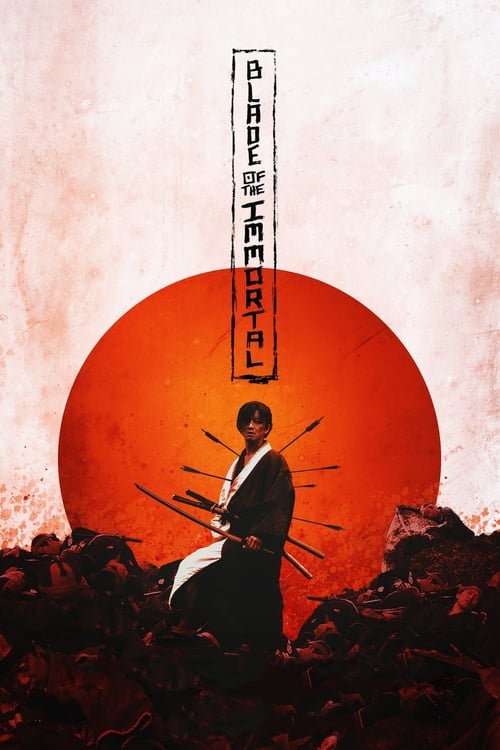
Manji, a highly skilled samurai, becomes cursed with immortality after a legendary battle. Haunted by the brutal murder of his sister, Manji knows that only fighting evil will regain his soul. He promises to help a young girl named Rin avenge her parents, who were killed by a group of master swordsmen led by ruthless warrior Anotsu. The mission will change Manji in ways he could never imagine.
2004
1997
2014
2011
2010
1980

2003

2009
No reviews yet. Be the first to share your thoughts on this movie!
Use the rating form above to leave a star rating and optional review.