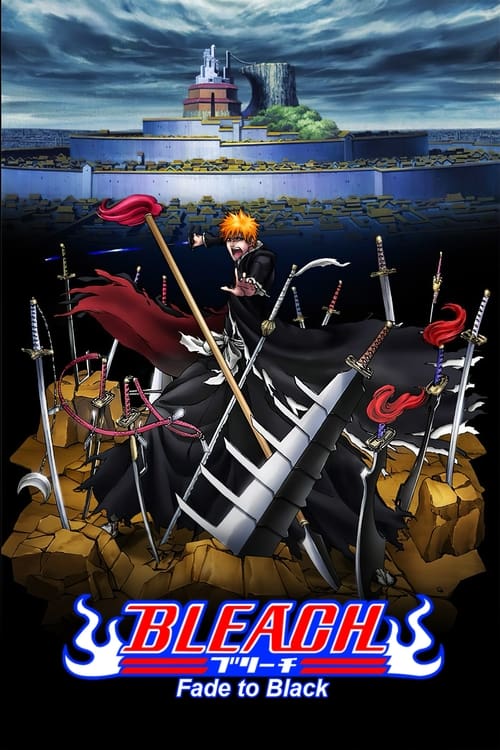
Bleach the Movie: Fade to Black
2008
No user ratings available yet
Representation score: 2.6 out of 10

Representation Score
Fair
2006
TV-14Director
Noriyuki Abe
Runtime
87 minutes
Average Rating
No ratings yetNew Showbiz Analysis
The film functions as a traditional genre piece that prioritizes established narrative formulas over disrupting social hierarchies. It relies on standard character archetypes that reinforce conventional norms rather than challenging them. While female characters have meaningful roles within the supernatural setting, the narrative remains centered on the male protagonist's journey and combat efficacy. Ultimately, the work lacks the intentionality needed to explore diverse identities or institutional authority, remaining a localized, genre-specific experience.
Category Breakdown
The film follows traditional structures common to the shonen genre, focusing on heterosexual relationships. There is no depiction of non-traditional gender identities or same-sex relationships.
Female characters such as Rukia Kuchiki and Orihime Inoue play important roles in the conflict, but the story is driven by the male protagonist, Ichigo Kurosaki. The narrative adheres to traditional protector/protected dynamics.
The cast is predominantly Japanese, following established cultural and spiritual archetypes. Non-human species are used but do not challenge racial hierarchies.
The story revolves around spiritual guardianship without critiquing power structures. The Soul Reapers act as a supernatural regulatory force maintaining cosmic balance.
The film does not focus on visible or invisible disabilities. Characters are defined by their spiritual powers and combat abilities rather than physical or neurodivergent traits.
Present on Screen
Limited or Absent
Official Synopsis
In Karakura Town, unidentifiable spirits begin appearing en mases. While attempting to deal with these strange souls, Ichigo Kurosaki and Rukia Kuchiki meet Senna, a mysterious shinigami who wipes out most of them. Senna refuses to answer any questions, so Ichigo is forced to follow her while Rukia tries to find out what's going on.
2008

2010

2007
1999

2004
2018
1994
2008
No reviews yet. Be the first to share your thoughts on this movie!
Use the rating form above to leave a star rating and optional review.