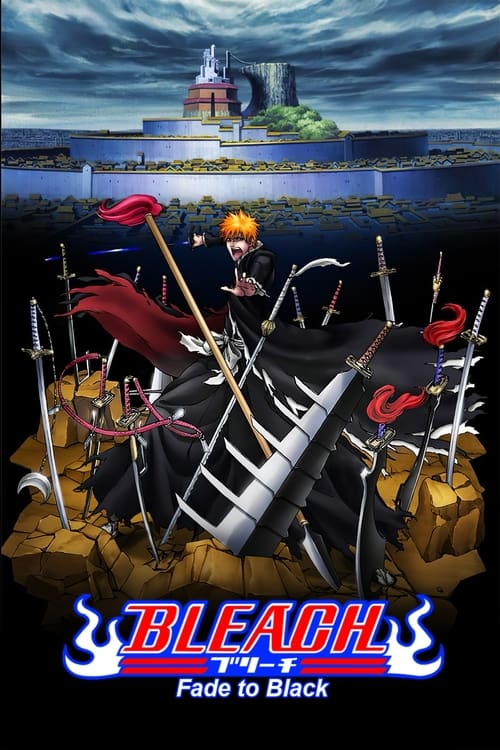
Bleach the Movie: Fade to Black
2008
No user ratings available yet
Representation score: 2.6 out of 10

Representation Score
Limited
2010
TV-14Director
Noriyuki Abe
Runtime
94 minutes
Average Rating
No ratings yetNew Showbiz Analysis
The film functions as a traditional shonen genre piece, emphasizing supernatural conflict and the maintenance of cosmic balance. It focuses on the tension between spiritual authorities and chaotic forces rather than exploring multi-layered identities. While the inclusion of capable female characters provides some gender equity, the narrative adheres to standard clichés. The story emphasizes institutional duty and the preservation of established metaphysical boundaries over social subversion. Ultimately, the work aligns with traditional storytelling conventions. It favors a binary moral framework that distinguishes between the preservation of balance and the destructive nature of sin.
Category Breakdown
The film does not include explicit representations of LGBTQ+ identities or same-sex relationships. The character dynamics stay within the confines of traditional action-adventure narratives without delving into LGBTQ+ themes.
Female characters such as Rukia Kuchiki and Orihime Inoue play significant roles in driving the story with their spiritual and combat abilities. However, the main thrust of the action remains centered around male characters.
The cast includes a variety of stylized supernatural beings. Although visually diverse, these characters serve as metaphysical constructs rather than representing human racial or ethnic diversity.
The narrative upholds traditional structures of authority and a binary moral system. It emphasizes the fulfillment of duty and the protection of the established cosmic order.
The film does not focus on visible or invisible disabilities. Characters are defined by their spiritual and combat capabilities rather than physical or mental vulnerabilities.
Present on Screen
Limited or Absent
Official Synopsis
Hell – A place where beings that have committed mortal sins during their lifetime are sent. It is a realm where even Soul Reapers are forbidden to interfere. When a group of vicious Sinners plot to escape from this eternal prison, they discover that Substitute Soul Reaper Ichigo Kurosaki is the key to their freedom.
2008

2006

2007
2024
2009
1993

2007
2020
No reviews yet. Be the first to share your thoughts on this movie!
Use the rating form above to leave a star rating and optional review.