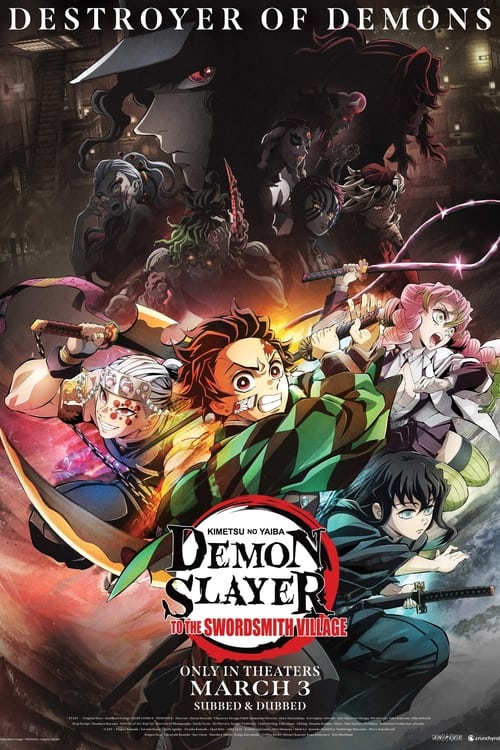
Demon Slayer: Kimetsu no Yaiba -To the Swordsmith Village-
2023
No user ratings available yet
Representation score: 5.6 out of 10
Representation Score
Limited
2019
PG-13Director
Haruo Sotozaki
Runtime
105 minutes
Average Rating
No ratings yetNew Showbiz Analysis
The film is set in Taisho-era Japan and prioritizes historical immersion and traditional hero journeys. Its narrative structure relies on conventional themes like familial loyalty and clear moral distinctions rather than challenging social norms. While the film lacks diverse representation, it uses supernatural elements to explore personal ability to act. Nezuko’s character disrupts traditional gender roles, although the protagonist remains the central protector. Ultimately, the work highlights the strength of individual bonds against supernatural threats. It functions as a traditional period piece emphasizing historical authenticity over contemporary diversity.
Category Breakdown
The film does not include any LGBTQ+ characters or relationships that go beyond straight and cisgender norms. The interpersonal dynamics focus solely on the emotional bond between siblings.
Nezuko challenges the 'damsel in distress' stereotype by taking an active role as a protector and combatant. However, Tanjiro still holds the primary role traditionally associated with male providers.
The cast is ethnically uniform, reflecting the Taisho-era Japanese setting. This provides a historically accurate cultural experience rather than diverse representation.
The story emphasizes traditional values such as resilience and duty. It focuses on rebuilding the family unit rather than critiquing broader societal or religious structures.
Nezuko’s demon state serves as a metaphor for altered biological conditions. The narrative handles her condition with nuance, highlighting her retained humanity and active role.
Present on Screen
Limited or Absent
Official Synopsis
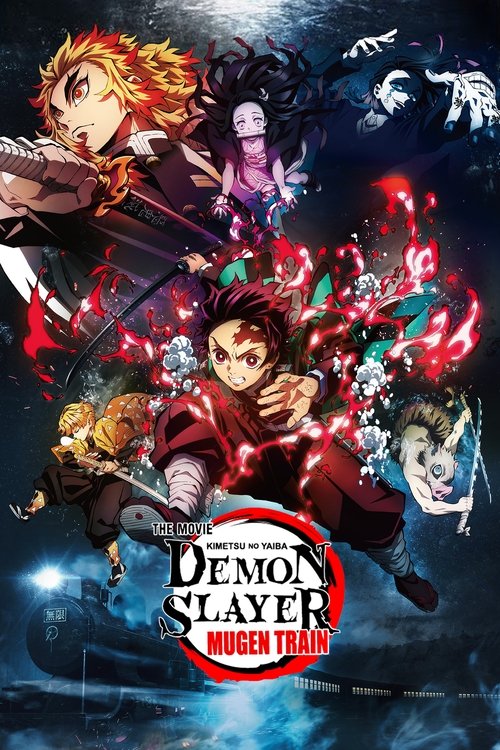
movie anime adaptation of Koyoharu Gotoge's Kimetsu no Yaiba by Ufotable. The movie consists of the first 5 episodes of the TV anime adaptation. A two-week theatrical release on 11 theaters began on March 29, 2019, a week before the premiere of the TV series.
2023

2015

2022
2021
2021
2020

2022

2019
No reviews yet. Be the first to share your thoughts on this movie!
Use the rating form above to leave a star rating and optional review.