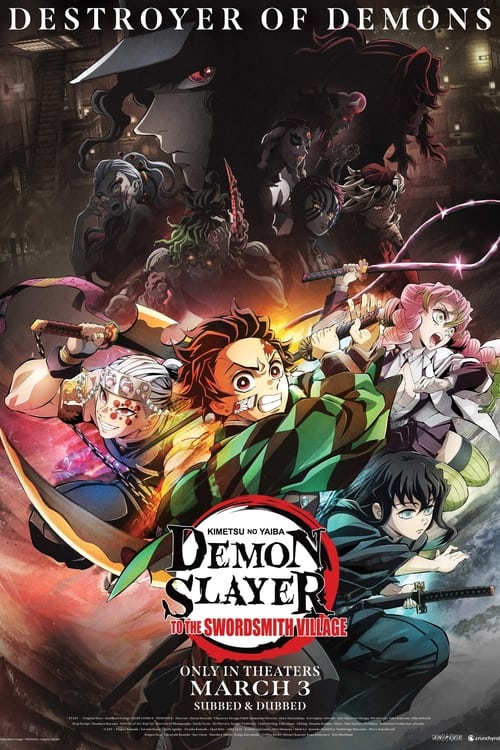
Demon Slayer: Kimetsu no Yaiba -To the Swordsmith Village-
2023
No user ratings available yet
Representation score: 5.6 out of 10
Representation Score
Good
2021
PG-13Director
Sunghoo Park
Runtime
105 minutes
Average Rating
No ratings yetNew Showbiz Analysis
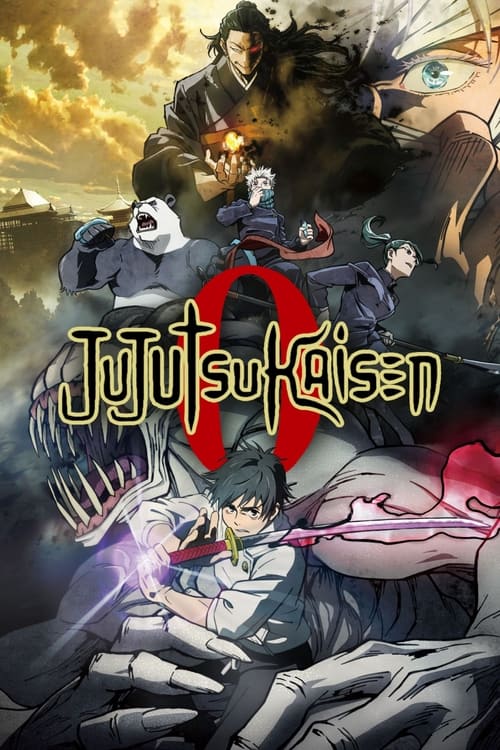
Jujutsu Kaisen 0 stands out in subverting traditional gender hierarchies and examining the psychological impact of power. Female characters like Maki Zenin exemplify strength and competence. The film also avoids simplistic moral binaries, offering a nuanced critique of institutional structures. However, the film lacks significant LGBTQ+ and racial diversity. The narrative remains centered on a homogeneous cast and heterosexual themes. This narrows the demographic range of the world presented on screen. Ultimately, the film's strength lies in its character-driven approach to trauma and institutional critique, even though it stays within a narrow demographic scope.
Category Breakdown
The story focuses on heterosexual relationships, particularly the supernatural bond between Yuta and Rika. There is no depiction of non-straight relationships or non-cisgender identities.
Maki Zenin challenges traditional gender roles by showcasing superior physical strength and strategic thinking. The film passes the Bechdel test, featuring conversations between women that are meaningful and substantial.
The cast is primarily made up of individuals from a similar ethnic background, reflecting the local setting of the story. The film does not include diverse ethnic representation or explore multiple racial backgrounds.
The narrative provides a critical look at institutional power structures and the rigid society of sorcerers. It delves into moral relativism through the complex beliefs and ideologies of its characters.
Curses are used as a metaphor for psychological trauma and being haunted by internal struggles. While Yuta demonstrates significant influence, there is no explicit representation of physical or sensory disabilities.
Present on Screen
Limited or Absent
Official Synopsis
Yuta Okkotsu is a nervous high school student who is suffering from a serious problem—his childhood friend Rika has turned into a curse and won't leave him alone. Since Rika is no ordinary curse, his plight is noticed by Satoru Gojo, a teacher at Jujutsu High, a school where fledgling exorcists learn how to combat curses. Gojo convinces Yuta to enroll, but can he learn enough in time to confront the curse that haunts him?
2023

2007
2020
2025

2022

2025
2021
2021
No reviews yet. Be the first to share your thoughts on this movie!
Use the rating form above to leave a star rating and optional review.