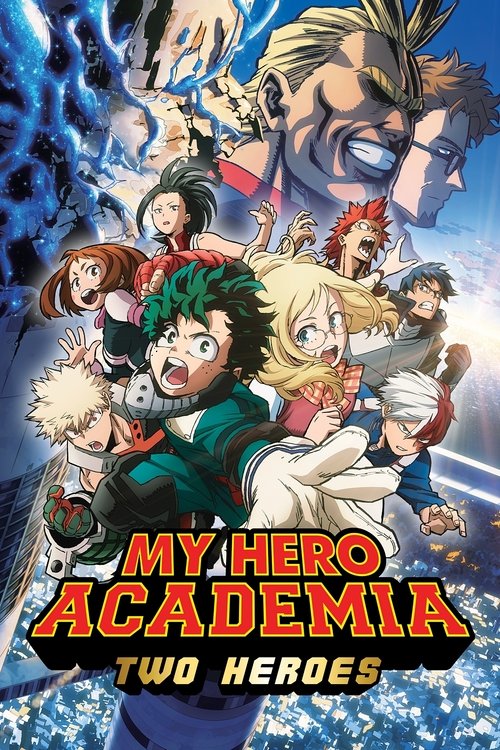
My Hero Academia: Two Heroes
2018
No user ratings available yet
Representation score: 4.1 out of 10
Representation Score
Fair
2019
PG-13Director
Kenji Nagasaki
Runtime
104 minutes
Average Rating
No ratings yetNew Showbiz Analysis
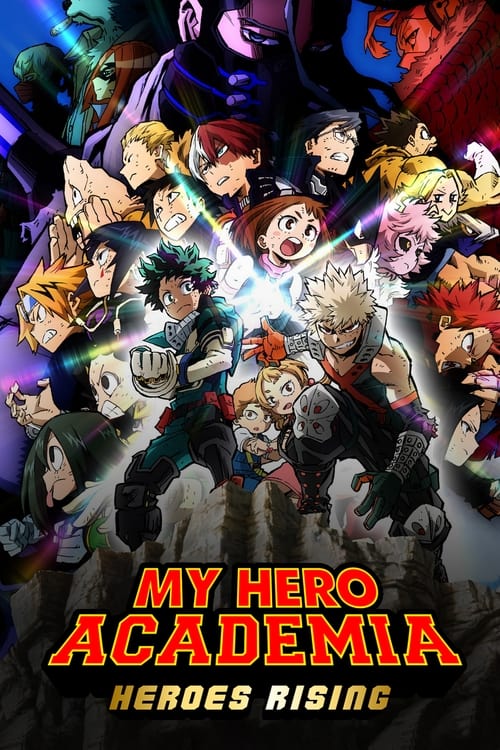
Heroes Rising operates as a conventional action film that upholds established social and institutional hierarchies. It emphasizes individual accountability and the legitimacy of licensed heroism over systemic critique. While the film offers substantial roles for female characters and uses physical mutations as proxies for biological and social differences, it does not actively challenge traditional norms. The narrative adheres to standard action clichés and a straight-centered superhero structure. Ultimately, the film reinforces the status quo of heroism. It centers on high-stakes combat and character-driven heroism within a structured framework without delving into multi-layered identity politics or social subversion.
Category Breakdown
The film does not explicitly depict LGBTQ+ identities or non-cisgender gender expressions. Character interactions emphasize traditional masculine bonds and rivalries rather than queer relationships.
Female characters such as Ochaco Uraraka and Tsuyu Asui play significant roles in combat and tactical situations. However, the main emotional and power-driven storylines center around male protagonists.
Diversity is shown through supernatural 'Quirk' mutations rather than direct references to racial or ethnic identities. The setting presents a relatively homogeneous society focused on heroism.
The narrative upholds institutional structures and state-sanctioned order. It highlights duty and social stability without critiquing Western or capitalist frameworks.
Physical mutations and physiological limitations are used as functional plot elements. The film avoids inspirational themes but maintains the context of fantasy-driven utility.
Present on Screen
Limited or Absent
Official Synopsis
Class 1-A visits Nabu Island where they finally get to do some real hero work. The place is so peaceful that it's more like a vacation... until they're attacked by a villain with an unfathomable Quirk! His power is eerily familiar, and it looks like Shigaraki had a hand in the plan. But with All Might retired and citizens' lives on the line, there's no time for questions. Deku and his friends are the next generation of heroes, and they're the island's only hope.
2018

2015

2021
2019
2026

2022
2020
2024
No reviews yet. Be the first to share your thoughts on this movie!
Use the rating form above to leave a star rating and optional review.