Varda by Agnès
2019
No user ratings available yet
Diversity score: 7.6 out of 10
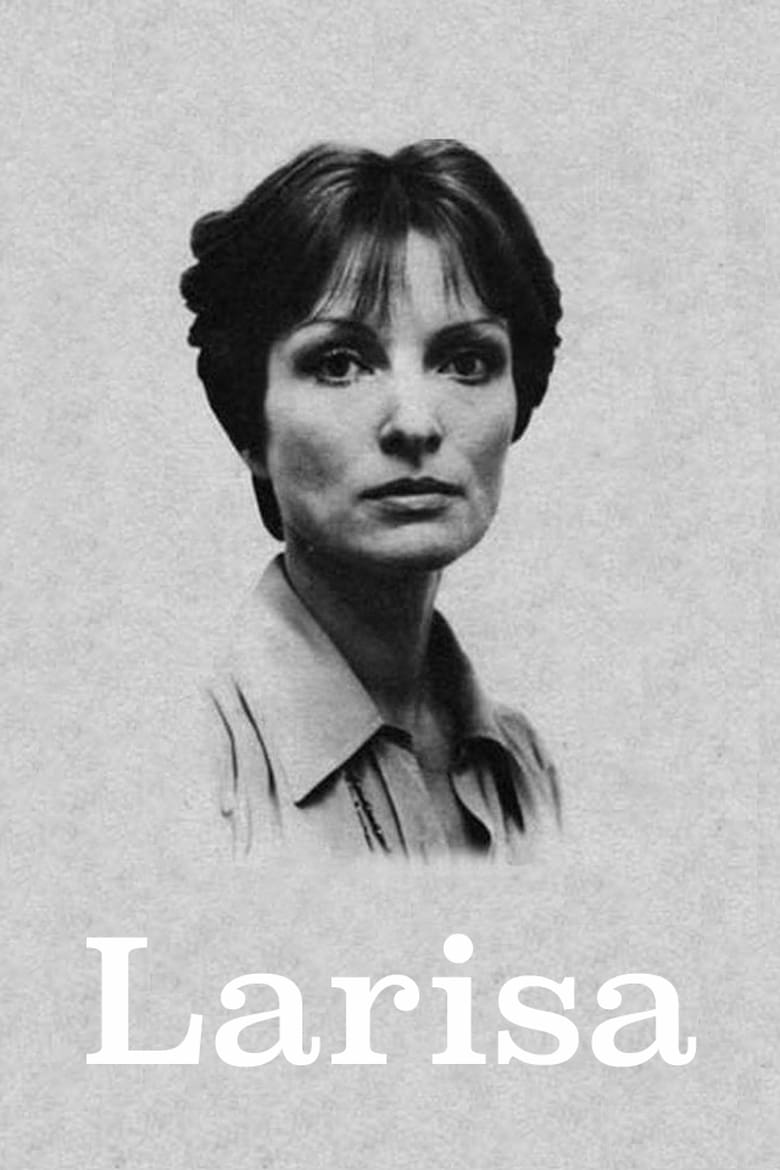
1980
Director
Elem Klimov
Runtime
21 minutes
Average Rating
No ratings yetSynopsis
Elem Klimov's tribute to his late wife, director Larisa Shepitko, killed in a car accident a year earlier. Features excerpts from all of her films, and archival audio of her discussing life and art.
Overall Score
Good
Category Breakdown
LGBTQ+ Representation
The documentary focuses on Shepitko's artistic philosophy and film excerpts. There is no clear evidence of non-heteronormative identities, though the focus on internal life avoids standard tropes.
Gender Representation
This film reclaims female agency by centering Shepitko's intellect and voice. It disrupts patriarchal hierarchies by positioning the female perspective as the primary driver of cinematic discourse.
Racial & Ethnic Diversity
The subjects reflect the Soviet-era social context. While it offers a non-Western cultural framework, specific details regarding diverse casting in the film excerpts are unconfirmed.
Religious & Cultural Diversity
The narrative celebrates individualistic expression over collective or religious dogma. It prioritizes the artist's personal truth over state-sanctioned morality and traditional institutional structures.
Disability Representation
The film provides no specific evidence regarding the portrayal of physical or neurodivergent disabilities.
Strengths
Areas for Improvement
AI Analysis
Elem Klimov’s tribute is a profound act of memorialization that centers the female intellectual experience. By utilizing archival audio, the film allows Larisa Shepitko to assert her own authority, effectively subverting the traditional role of women in cinema from muses to creators. While the documentary lacks explicit demographic breadth or intersectional representation, it achieves progressive value through its focus on a female auteur. It serves as a vital preservation of a creative legacy within a historically male-dominated industry. The film's scope is naturally limited by its focus on a specific Soviet filmmaker and her body of work, which restricts its racial and LGBTQ+ visibility.
2019

2025
1986
2018
1993
2002
2005
2014
1996
2011

2009
2009
No reviews yet. Be the first to share your thoughts on this movie!
Use the rating form above to leave a star rating and optional review.