
Die Unbeugsamen
2021
No user ratings available yet
Diversity score: 6.7 out of 10
2006
Director
Jean-Gabriel Périot
Runtime
10 minutes
Average Rating
No ratings yetSynopsis
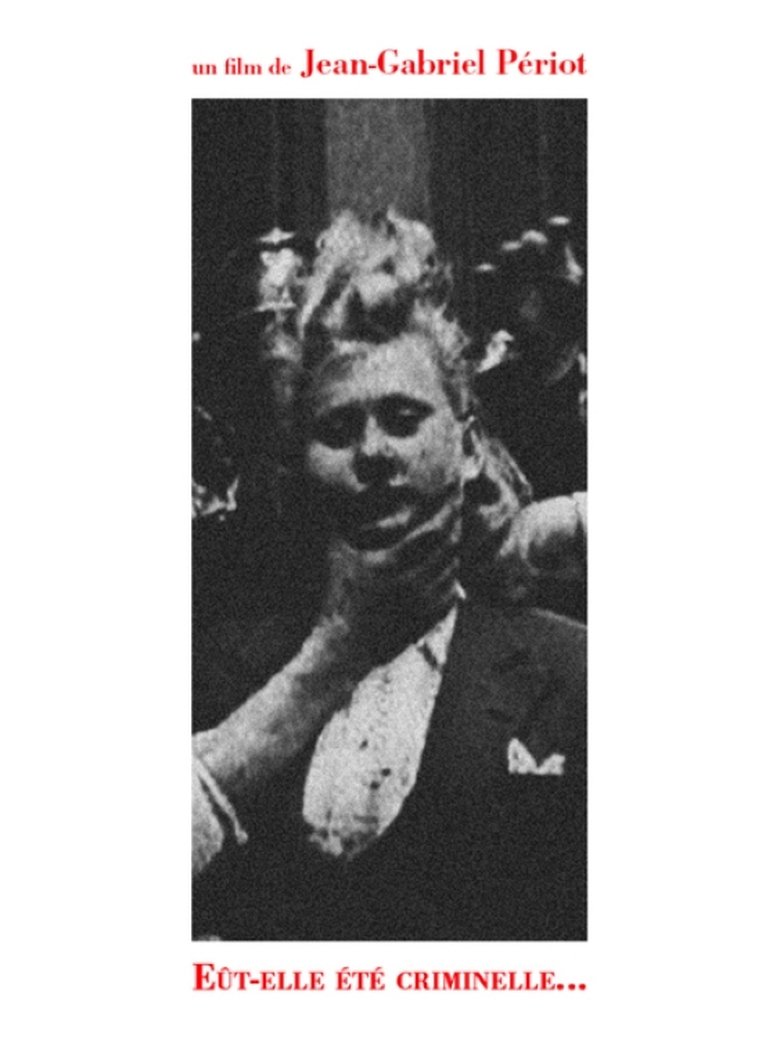
French archive images of the Second World War pass in a dizzying tempo. The pace slows when we see images of the liberation. We see happy, liberated citizens, but slowly a cruel scene becomes visible. Women who are alleged to have had a relationship with the Germans are publicly insulted, shaved and beaten.
Overall Score
Good
Category Breakdown
LGBTQ+ Representation
The film focuses on gendered violence during the post-liberation period. While no explicit queer identities are documented, the critique of policing bodies and social morality suggests an implicit challenge to heteronormative standards of virtue.
Gender Representation
The narrative centers on the systemic victimization of women. By documenting the public shaming and physical abuse of women accused of collaboration, the film exposes the cruelty of traditionalist social enforcement.
Racial & Ethnic Diversity
The racial landscape is largely dictated by the historical context of 1940s French archival footage. The film's deconstructive approach may examine colonial complexities, though specific ethnic details are not explicitly confirmed.
Religious & Cultural Diversity
The film provides a high degree of cultural critique by deconstructing the myth of liberation. It frames post-war social actions as manifestations of mob mentality rather than moral triumphs.
Disability Representation
There is no information available regarding the depiction of individuals with physical or neurodivergent disabilities.
Strengths
Areas for Improvement
AI Analysis
The documentary serves as a sophisticated critique of historical power dynamics. It succeeds by refusing to accept celebratory nationalist narratives, instead highlighting the intersection of gendered violence and systemic social control. By shifting the lens from heroic liberation to the punitive aspects of social reintegration, the film disrupts conventional historical expectations. It uses archival footage to expose how traditionalist social norms are weaponized against individuals. While the film excels in gender and cultural critique, it remains limited by the historical constraints of its archival source material, particularly regarding explicit racial and LGBTQ+ representation.
2021

2019

2016

2018
2018

2013
2014
1979

2018

2016

1993
2019
No reviews yet. Be the first to share your thoughts on this movie!
Use the rating form above to leave a star rating and optional review.