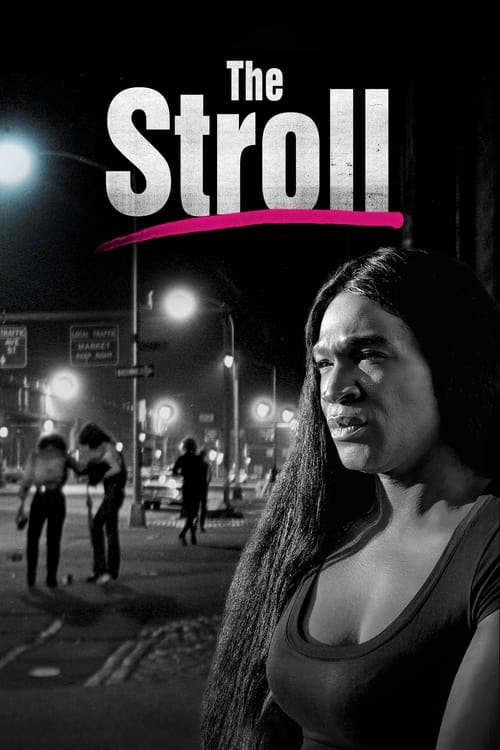
The Stroll
2023
No user ratings available yet
Representation score: 9.8 out of 10
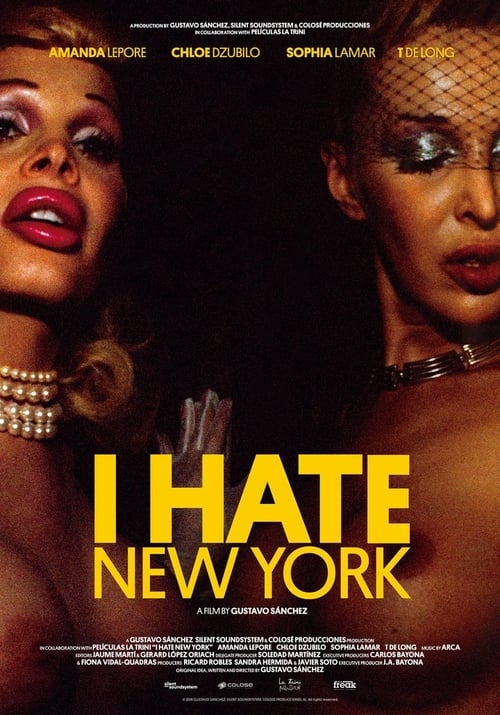
Representation Score
Good
2018
PGDirector
Gustavo Sánchez
Runtime
75 minutes
Average Rating
No ratings yetNew Showbiz Analysis
Gustavo Sánchez’s documentary places non-cisgender identities at the forefront. By following four women artists and transgender activists over ten years, the film offers a deep exploration of identity formation. The work challenges traditional documentary formats by allowing subjects to shape their own narratives, engaging viewers as active participants. The film also addresses broader socio-economic issues in New York City, creating a layered portrayal of life on the margins of American society.
Category Breakdown
The film highlights transgender activists as key figures, providing a detailed look at their experiences over a decade. This approach goes beyond mere spectacle and focuses on the complexity of gender transition and identity development.
The documentary centers around the perspectives of four women artists and transgender activists, emphasizing their intellectual and emotional journeys. It avoids the traditional male perspective, instead focusing on their unique voices and experiences.
The film explores the diverse demographics of New York City through its underground setting. It connects the socio-economic realities faced by underrepresented communities to broader identity politics.
The narrative emphasizes personal truths over institutional narratives. It portrays the underground subculture as a sanctuary from societal pressures, highlighting the importance of individual expression and freedom.
There is no explicit mention of visible or invisible disabilities. While the subjects face exclusion, the film does not focus on disability as a central theme.
Present on Screen
Limited or Absent
Official Synopsis
New York, post 9/11: Armed with a home video camera and no script, the director delves into the private lives of four women artists and transgender activists from the city’s underground subculture, filming their lives over a period of 10 years. Little by little, their testimonies reveal fragments of their pasts, their experiences and their struggles for an identity of their own. A series of revelations transform the viewer from feeling like an intruder to being invested in their destinies.
2023

2017
2019
2000

2015
2022

2017
1991
No reviews yet. Be the first to share your thoughts on this movie!
Use the rating form above to leave a star rating and optional review.