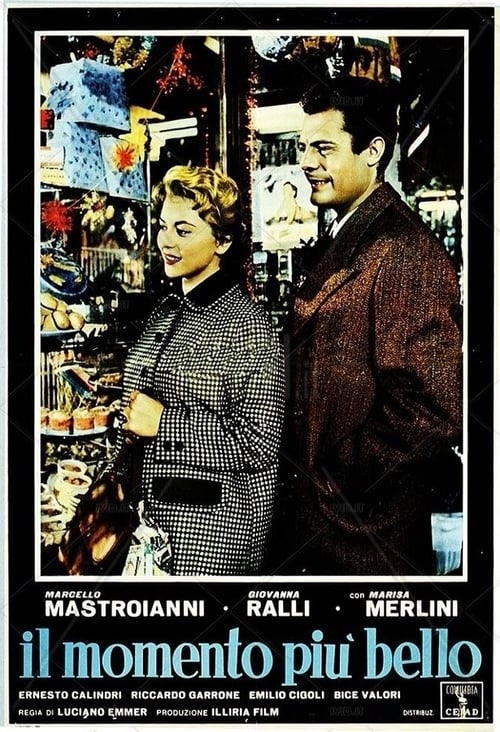
The Most Wonderful Moment
1957
No user ratings available yet
Diversity score: 3.7 out of 10
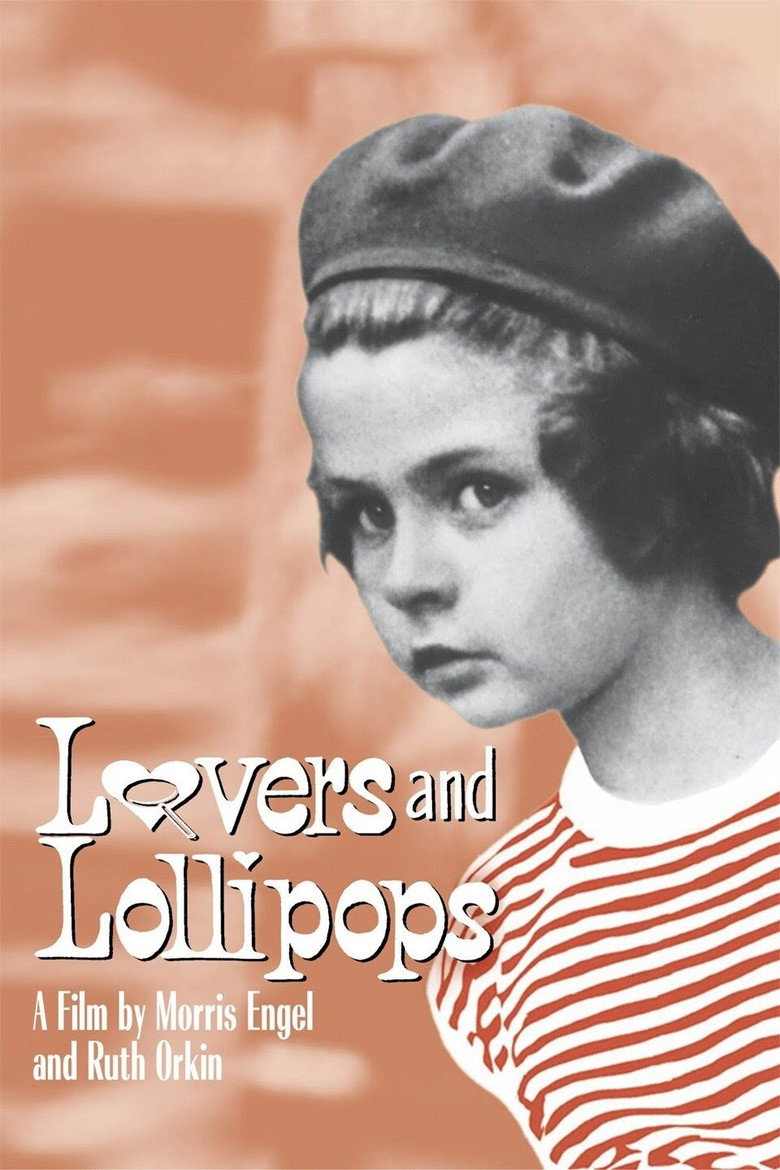
1956
Director
Morris Engel, Ruth Orkin
Runtime
82 minutes
Average Rating
No ratings yetSynopsis
Ann, an attractive widowed New York model, lives in an apartment with her daughter Peggy. The courtship of Ann by visiting engineer Larry, and accompanying misadventures, are seen alternately from their and Peggy's viewpoint. Filmed realistically at many New York locations
Overall Score
Limited
Category Breakdown
LGBTQ+ Representation
The film follows a traditional courtship between a widow and an engineer. It lacks explicit evidence of non-heteronormative identities or critiques of heteronormativity.
Gender Representation
By alternating viewpoints between Ann and Peggy, the film centers female perception. This approach grants women significant psychological agency and disrupts the standard male-centric gaze.
Racial & Ethnic Diversity
The narrative focuses on a seemingly homogeneous social unit in New York. It appears to reflect the demographic homogeneity typical of mid-century American independent realism.
Religious & Cultural Diversity
The use of realistic New York locations suggests a move toward urban realism. However, themes of courtship remain grounded in the established social frameworks of the era.
Disability Representation
There is no mention of characters possessing visible or invisible disabilities within the narrative.
Strengths
Areas for Improvement
AI Analysis
Lovers and Lollipops offers a nuanced look at domestic life through a realist lens, largely due to the influence of Ruth Orkin. The film's strength lies in its ability to elevate female perspectives, providing a psychological depth often missing from 1950s cinema. However, the film remains a product of its time, adhering to the social and demographic norms of 1956. While it avoids Hollywood artifice, it does not actively deconstruct systemic hierarchies or present a diverse cast. Ultimately, the work is a study in mid-century realism that prioritizes authentic lived experiences within a conventional social structure.
1957
1950

1972
1960

1958
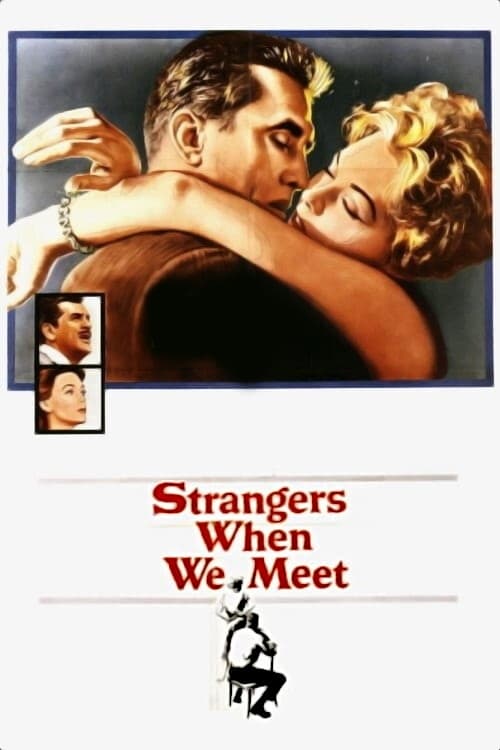
1960
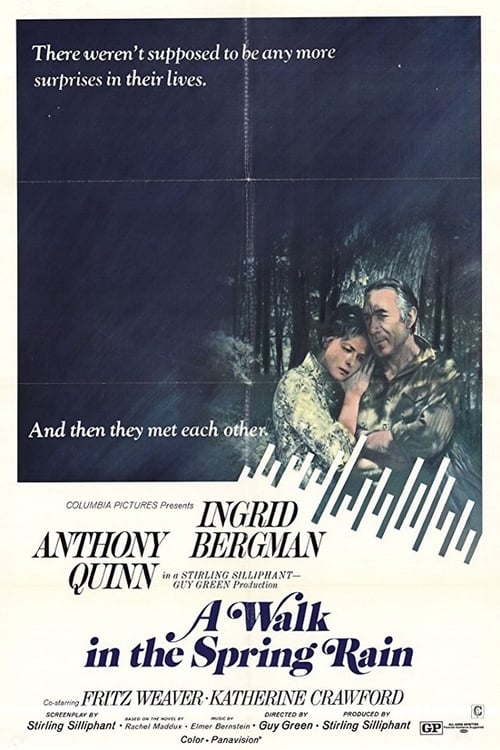
1970

1960
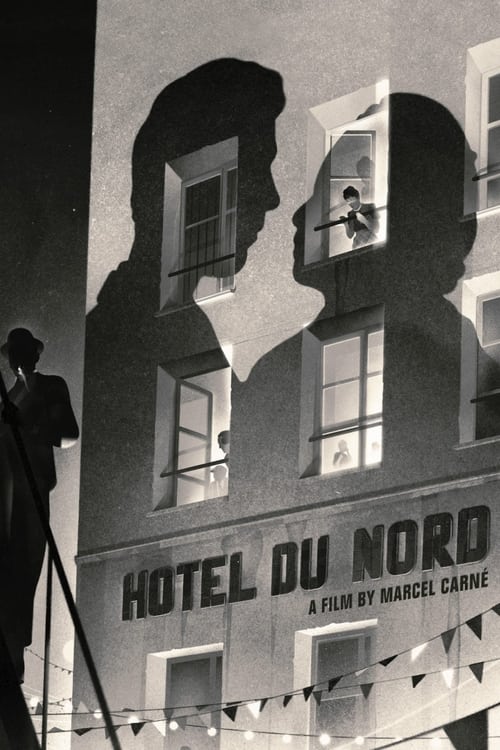
1938

1970
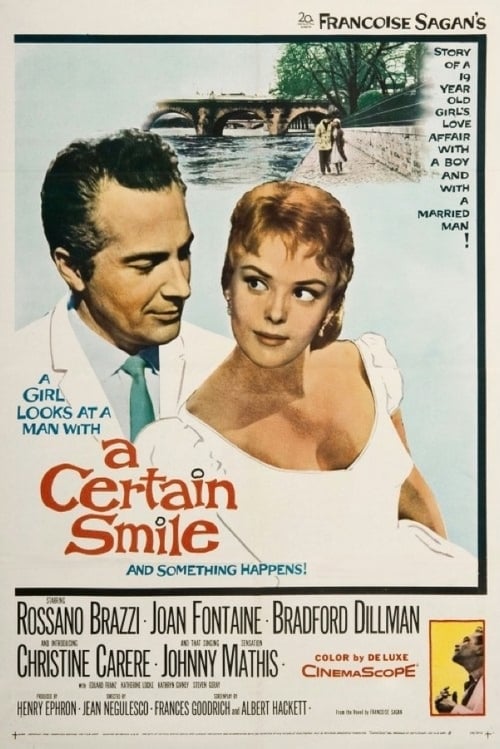
1958
1958
No reviews yet. Be the first to share your thoughts on this movie!
Use the rating form above to leave a star rating and optional review.