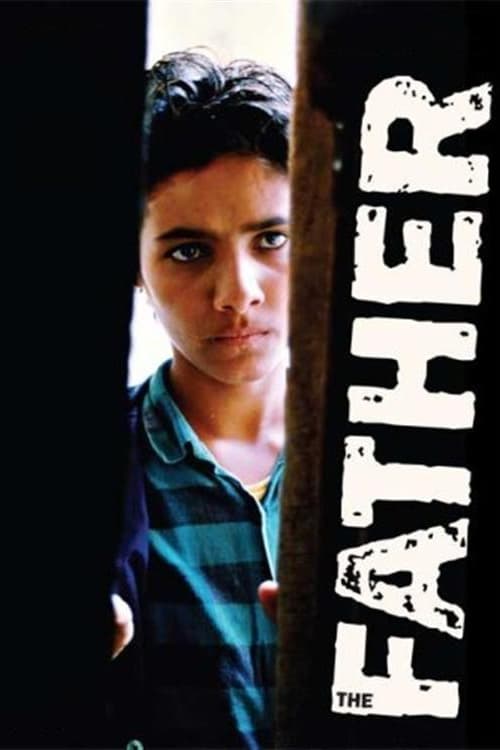
The Father
1999
No user ratings available yet
Representation score: 2.6 out of 10

Representation Score
Good
2005
PGDirector
Majid Majidi
Runtime
96 minutes
Average Rating
No ratings yetNew Showbiz Analysis
Majid Majidi’s film stands out by centering an Iranian narrative, diverging from Western-centric storytelling norms. It skillfully portrays a disabled intellectual, going beyond typical clichés to highlight true human resilience. Despite the absence of contemporary Western identity politics like LGBTQ+ representation, the film offers a potent critique of global hierarchies. The protagonist’s journey to seek medical treatment in France underscores the tension between local identity and international requirements. Ultimately, the film succeeds by focusing on the 'other' through a poetic, spiritual lens. It challenges the dominance of Anglo-Saxon storytelling by emphasizing the intersection of biological adversity and systemic limitations.
Category Breakdown
The film does not include any LGBTQ+ characters or narratives. Instead, it focuses on traditional interpersonal and existential struggles.
The story revolves around a male protagonist facing a terminal illness. This centers on the male experience without clearly challenging traditional gender roles.
By focusing on an Iranian perspective, the film breaks away from Western-centric storytelling. It presents a nuanced view of a non-Western protagonist dealing with globalized healthcare.
The story highlights the tension between family life and Western medical systems. It uses spiritual resilience to critique Western modernity and materialistic approaches.
Youssef, a blind professor, is shown taking a leading role in his story. The film avoids common stereotypes, delving into the complexities of living with profound physical limitations.
Present on Screen
Limited or Absent
Official Synopsis
Youssef, a blind university professor, is suddenly diagnosed with a fatal disease and must undergo treatment in France. Back home, will he find the life he had before?
1999

2005

2016

1999
2013

2001
2018

2008
No reviews yet. Be the first to share your thoughts on this movie!
Use the rating form above to leave a star rating and optional review.