
The Past
2013
No user ratings available yet
Representation score: 4.1 out of 10
Representation Score
Good
2011
PG-13Director
Asghar Farhadi
Runtime
123 minutes
Average Rating
No ratings yetNew Showbiz Analysis
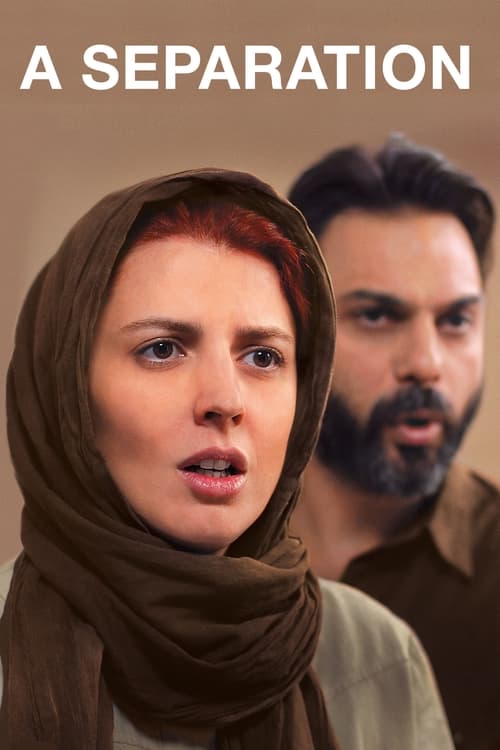
A Separation is a sophisticated exploration of how systemic constraints and subjective truths interact. It avoids simple moral binaries, instead using the judicial and religious frameworks of Iran to highlight interpersonal conflicts. The film excels at portraying the tension between different social classes, using class as a powerful indicator of identity. While it lacks LGBTQ+ representation, it provides deep insights into gendered power dynamics and the complexities of caregiving. It challenges viewers to navigate a world of shifting truths and institutional pressures.
Category Breakdown
The film adheres to a traditional framework that assumes everyone is straight or cisgender. There are no queer narratives or non-cisgender identities present in the story.
The narrative offers a nuanced look at the limitations placed on women's ability to drive the story, particularly in legal and domestic contexts. It highlights the constraints imposed by patriarchal systems.
Set in Tehran, the film focuses on class distinctions rather than showcasing a variety of ethnicities. It explores the tensions between the secular middle class and the religious working class.
The film deconstructs traditional religious and legal institutions by portraying them as sources of ambiguity. It emphasizes situational ethics over rigid moral codes within the family unit.
Alzheimer’s disease is depicted with significant gravity. The condition serves as a central driver for ethical dilemmas rather than a mere melodramatic plot device.
Present on Screen
Limited or Absent
Official Synopsis
A married couple are faced with a difficult decision – to improve the life of their child by moving to another country or to stay in Iran and look after a deteriorating parent who has Alzheimer's disease.
2013
2016

2016
1996

2008
2011

2008
2018
No reviews yet. Be the first to share your thoughts on this movie!
Use the rating form above to leave a star rating and optional review.