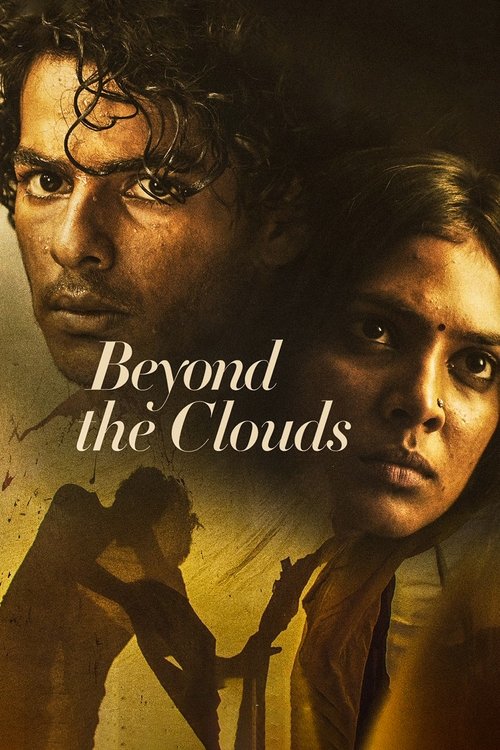
Beyond the Clouds
2018
No user ratings available yet
Representation score: 7.1 out of 10

Representation Score
Fair
1999
PGDirector
Majid Majidi
Runtime
88 minutes
Average Rating
No ratings yetNew Showbiz Analysis
Majid Majidi’s film is a masterful work of sensory storytelling centered around the experiences of a blind child. It excels by grounding the film's aesthetic and thematic development in the protagonist's sensory perception. While the film stands out in its portrayal of disability, it remains entrenched in traditional patriarchal and religious frameworks. These elements restrict its ability to challenge social norms or provide diverse gender perspectives. Overall, the film offers a profound disruption of conventional storytelling by providing an empathetic and non-Western perspective that avoids typical cinematic clichés.
Category Breakdown
The film does not include LGBTQ+ characters or explore non-straight relationships. Instead, it focuses on familial and spiritual connections within a traditional social context.
The story follows a patriarchal structure where female characters are primarily defined by their relationships to men. While women play crucial roles emotionally, the film does not challenge traditional gender hierarchies.
The film offers a genuine glimpse into a Middle Eastern cultural setting. By highlighting an Iranian village, it counters Western-centric narratives through a localized, non-Anglo-Saxon viewpoint.
Spiritual themes align with traditional values. The film avoids Western moralizing, emphasizing the tension between materialist goals and spiritual awareness.
The protagonist's blindness is a central strength. His disability is portrayed as a unique way of experiencing the world rather than a problem to be solved.
Present on Screen
Limited or Absent
Official Synopsis
Mohammad joyfully returns to his tiny village on summer vacation from the Institute for the Blind, unaware of his widowed father's intentions to disown him in order to win the hand—and dowry—of a local woman. With the wedding swiftly approaching, Mohammad's future hangs precariously in the balance as his father struggles against his destiny, unable to see the wonder of life and love that's so clear to his son.
2018
2002
1999
1987
2003
2004
1997

2009
No reviews yet. Be the first to share your thoughts on this movie!
Use the rating form above to leave a star rating and optional review.