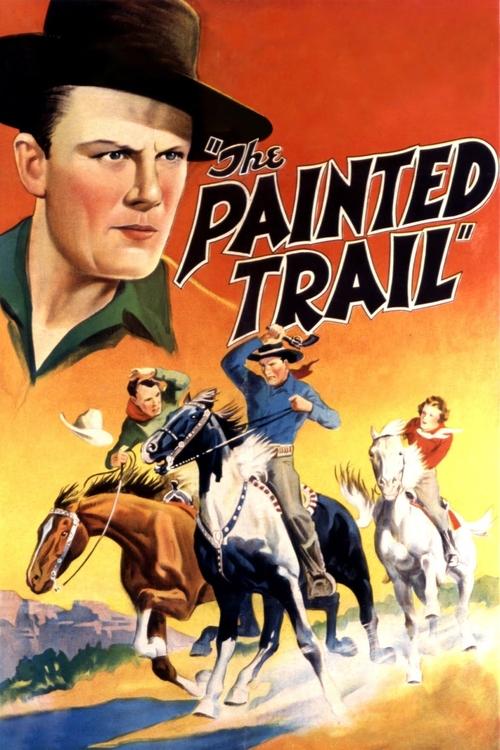
The Painted Trail
1938
No user ratings available yet
Diversity score: 1.9 out of 10

1937
ApprovedDirector
Robert F. Hill
Runtime
56 minutes
Average Rating
No ratings yetSynopsis
A lawman poses as an outlaw, steals $10,000 from a cattle thief, then promises to return the money if he can join the gang--while finding a way to expose them.
Overall Score
Minimal
Category Breakdown
LGBTQ+ Representation
The film lacks any depiction of non-heteronormative identities or queer subtext. The narrative focuses entirely on traditional romantic interests and heteronormative social structures.
Gender Representation
Female characters serve primarily as romantic foils or supporting figures within the ranching ecosystem. Leadership roles and physical agency are almost exclusively reserved for male characters.
Racial & Ethnic Diversity
Casting is predominantly homogeneous, reflecting standard Western tropes of the era. The narrative environment is presented through a singular, Anglo-centric lens.
Religious & Cultural Diversity
The film promotes traditional Western values, such as the sanctity of property and ranching structures. Justice acts as a restorative force for the status quo.
Disability Representation
There are no visible or invisible disabilities portrayed within the narrative. Characters are defined by the physical capabilities required for a Western lifestyle.
Strengths
Areas for Improvement
AI Analysis
Cheyenne Rides Again is a quintessential 1930s musical Western that prioritizes individual moral clarity and the restoration of order. The narrative architecture adheres strictly to frontier heroism tropes, functioning as a vehicle for the protagonist's persona. The film reinforces established social hierarchies rather than challenging them. It provides a predictable framework of frontier justice and traditional morality, upholding the stability of Western institutions through a singular, heroic lens. Ultimately, the production reflects the era's standard genre conventions, offering a cohesive but highly conventional story that avoids any disruption of traditional social, gender, or racial expectations.
1938
1936

1958
1932
1930
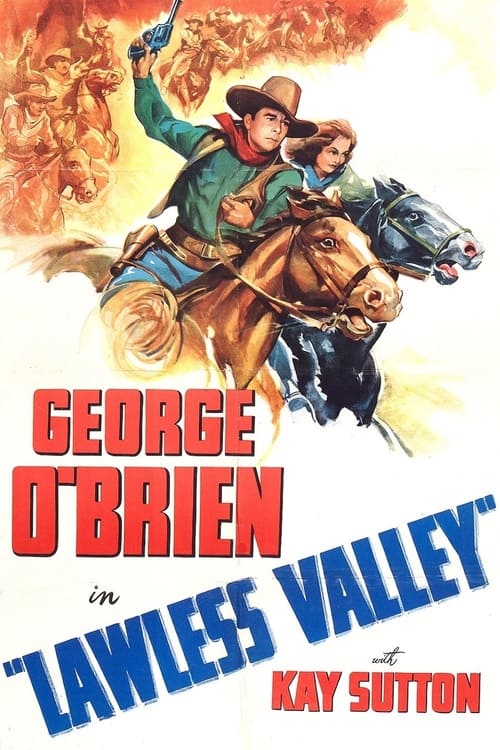
1938
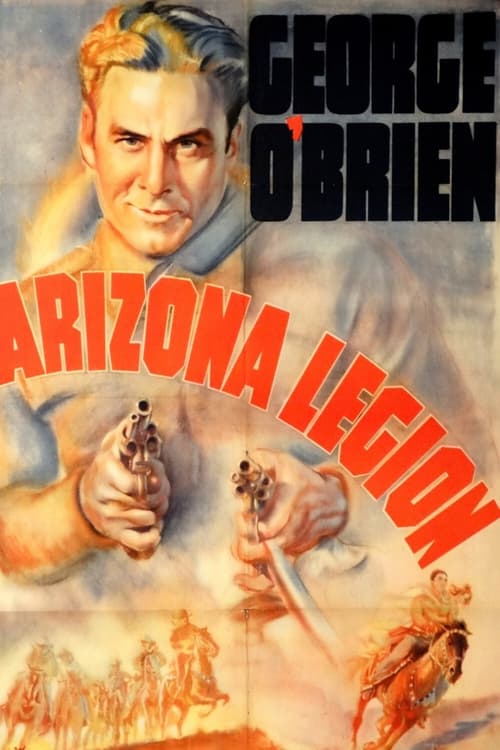
1939
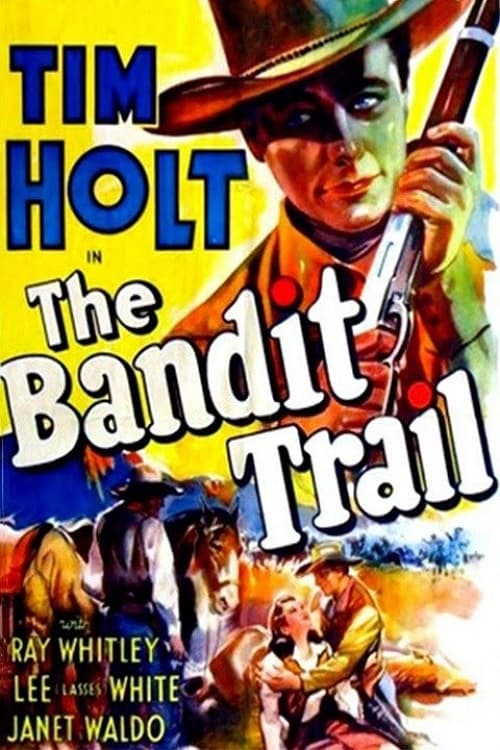
1941
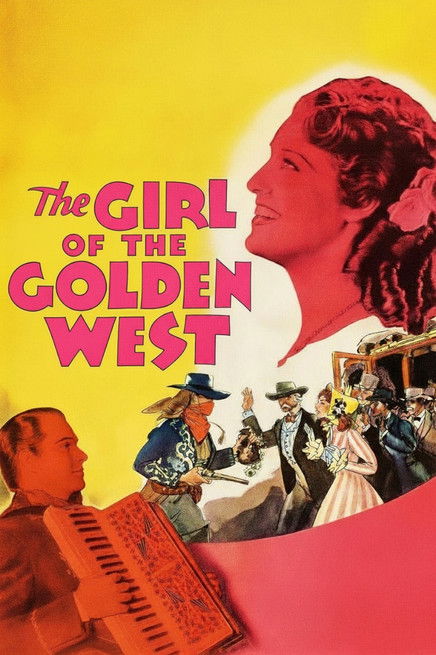
1938
1932
1943
1936
No reviews yet. Be the first to share your thoughts on this movie!
Use the rating form above to leave a star rating and optional review.