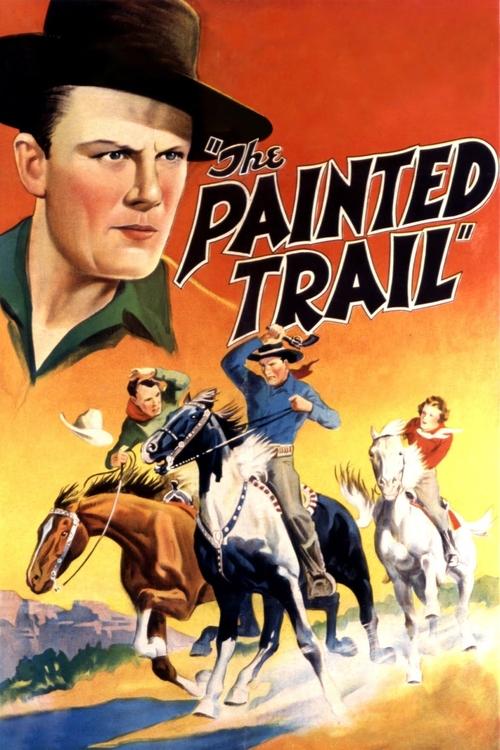
The Painted Trail
1938
No user ratings available yet
Diversity score: 1.9 out of 10
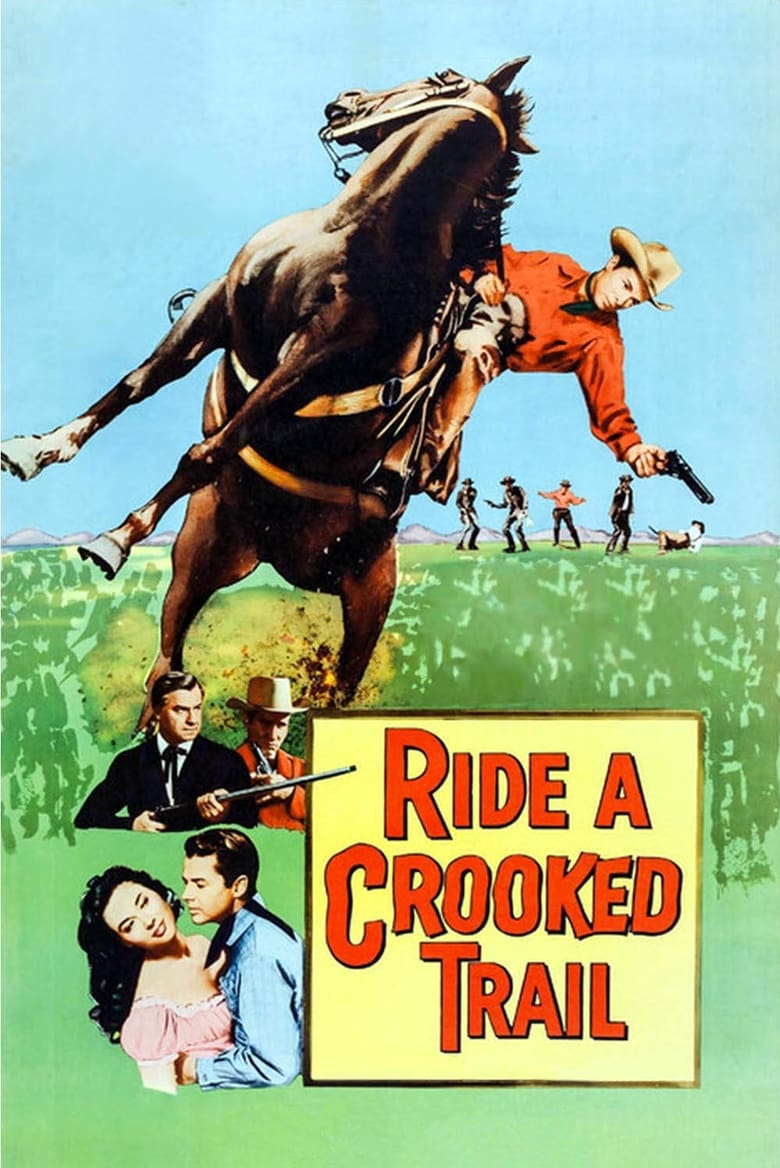
1958
NRDirector
Jesse Hibbs
Runtime
88 minutes
Average Rating
No ratings yetSynopsis
After robbing a bank Murphy assumes the identity of his pursuer, a famous US Marshal, when he stumbles into a town and is confronted by the local judge, Matthau. Murphy is forced to remain as the new Marshal; an old flame, Scala, nearly unmasks him by accident, only to be forced to assume the ruse of being Murphy's wife. The "couple" given a house and respectability, which neither has had before. They maintain the charade to avoid hurting a young orphan boy, Matthau's ward. Scala is torn by her loyalty to boyfriend planning to rob the bank and growing feelings for Murphy
Overall Score
Limited
Category Breakdown
LGBTQ+ Representation
The film centers on heteronormative romantic tension. The central plot involves a forced domestic charade between the leads, but this serves a traditional marriage ruse rather than exploring queer identities.
Gender Representation
Gender hierarchies remain conventional. While Scala shows some agency through her participation in the deception, her role is largely defined by her romantic loyalties and relationship to the male protagonist.
Racial & Ethnic Diversity
The cast is largely homogeneous, focusing on Anglo-Saxon archetypes typical of the 1958 Western genre. There is no significant evidence of non-white protagonists or racial blending.
Religious & Cultural Diversity
The narrative reinforces traditional Western institutions like law and order. It prioritizes the sanctity of the respectable family unit and the restoration of social order within the community.
Disability Representation
There are no prominent depictions of visible or invisible disabilities that drive the narrative or provide character depth.
Strengths
Areas for Improvement
AI Analysis
Ride a Crooked Trail is a quintessential mid-century Western that adheres strictly to the social hierarchies of 1950s studio filmmaking. The plot relies on traditional genre tropes, such as frontier justice and romantic tension, to drive the story forward. The film functions as a product of its era, reinforcing established social structures rather than challenging them. It lacks intentionality regarding intersectional perspectives or the subversion of cultural norms. Ultimately, the film's value lies in its adherence to genre conventions. It maintains a standard mid-century equilibrium without introducing progressive representation or diverse character archetypes.
1938

1937
1942
1936
1964
1939
1938

1958
1943
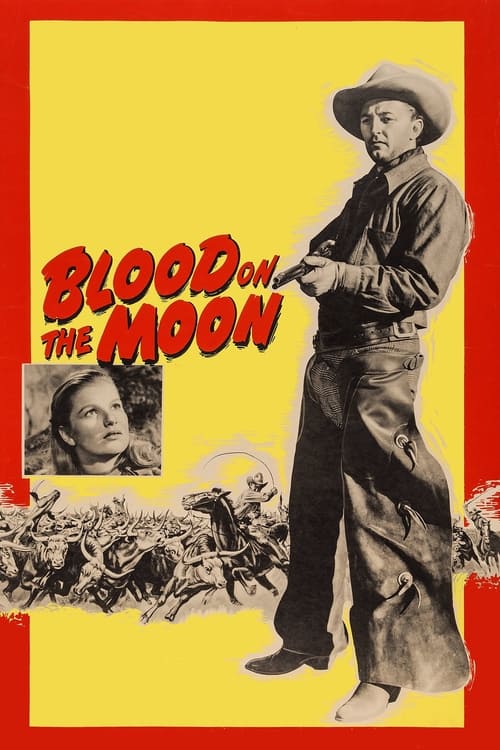
1948
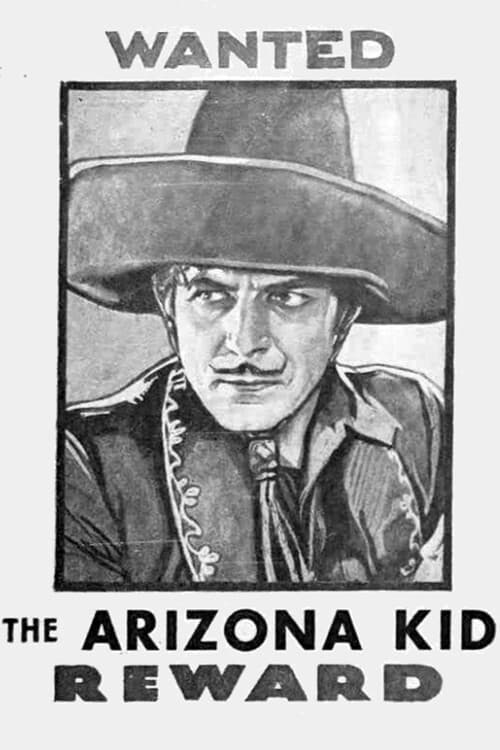
1930
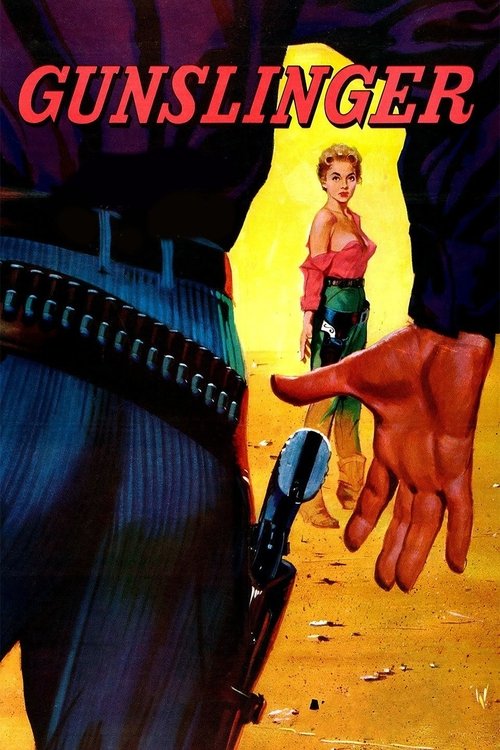
1956
No reviews yet. Be the first to share your thoughts on this movie!
Use the rating form above to leave a star rating and optional review.