
Man from God's Country
1958
No user ratings available yet
Diversity score: 1.4 out of 10

1932
PassedDirector
Louis King, David Howard
Runtime
64 minutes
Average Rating
No ratings yetSynopsis
Running from the law, Jim Hall joins Hays’ gang. Hays is foreman on the Herrick ranch and plans to rustle Herrick’s cattle. Attracted to Herrick’s sister Helen, Jim decides to tell the Sheriff about the raid. But when his plan is overheard he is made a prisoner.
Overall Score
Minimal
Category Breakdown
LGBTQ+ Representation
The film adheres to standard heteronormative romantic tropes. The central plot revolves around the attraction between Jim Hall and Helen Herrick.
Gender Representation
Gender roles follow traditional Western hierarchies. Helen Herrick serves as a moral catalyst for the protagonist, but her role remains centered on her relationships with men.
Racial & Ethnic Diversity
The production reflects the era's focus on Anglo-Saxon expansionism. There is no evidence of non-white agency or diverse casting within the narrative.
Religious & Cultural Diversity
The story reinforces established social structures like law and ranch hierarchies. It lacks any deconstruction of Western institutions or secularist themes.
Disability Representation
There is no evidence of characters with visible or invisible disabilities. Disability is not utilized as a central theme or character element.
Strengths
Areas for Improvement
AI Analysis
Robbers' Roost is a conventional 1930s Western that prioritizes genre archetypes over social complexity. The narrative focuses on the tension between outlawry and law enforcement, driven by a protagonist's moral pivot. The film functions as a standard period piece, strictly adhering to the social and narrative hierarchies of its time. It lacks intentionality regarding intersectional representation or the subversion of traditional norms. Ultimately, the work reinforces the status quo of the frontier era, centering on white, heteronormative characters and traditional gender roles.
1958
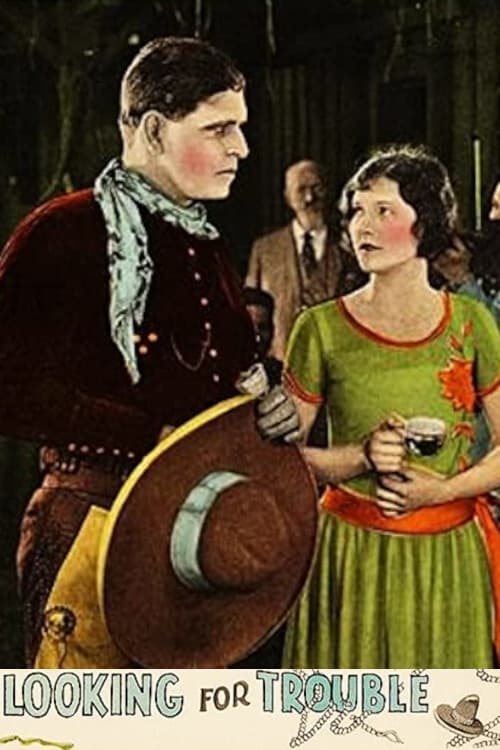
1926
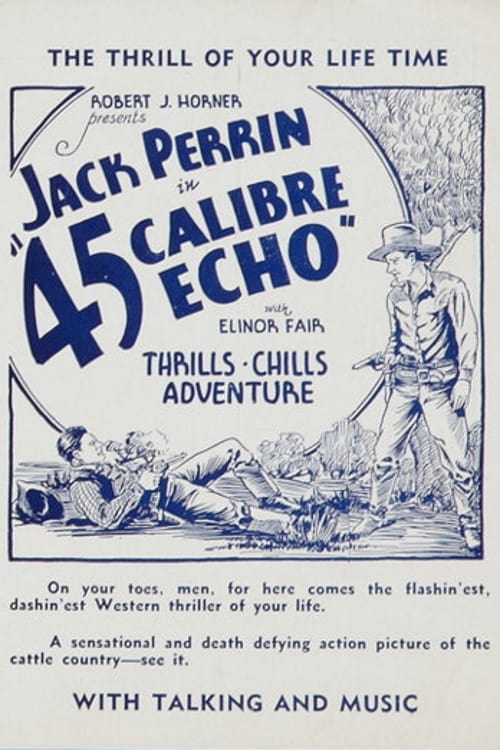
1932
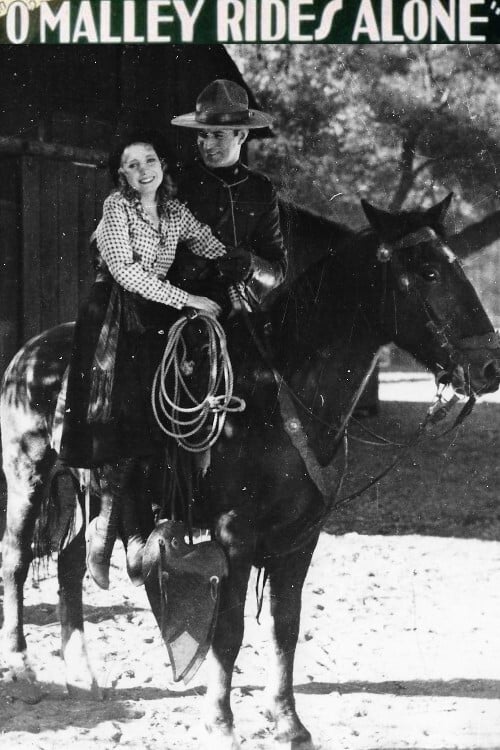
1930

1938
No reviews yet. Be the first to share your thoughts on this movie!
Use the rating form above to leave a star rating and optional review.