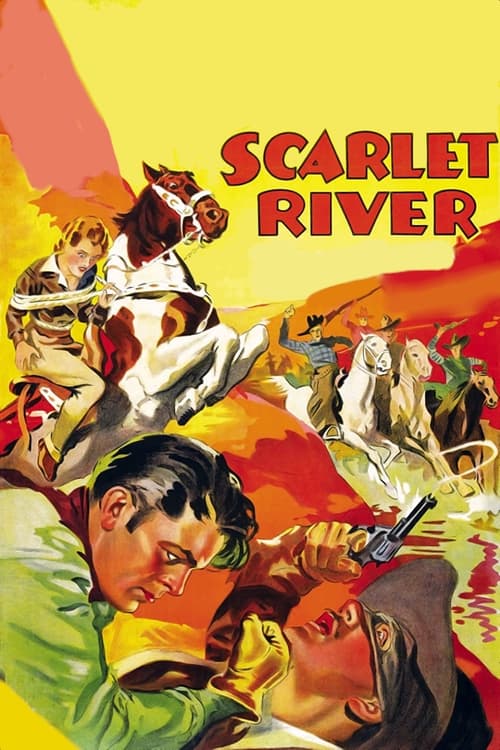
Scarlet River
1933
No user ratings available yet
Diversity score: 2.1 out of 10
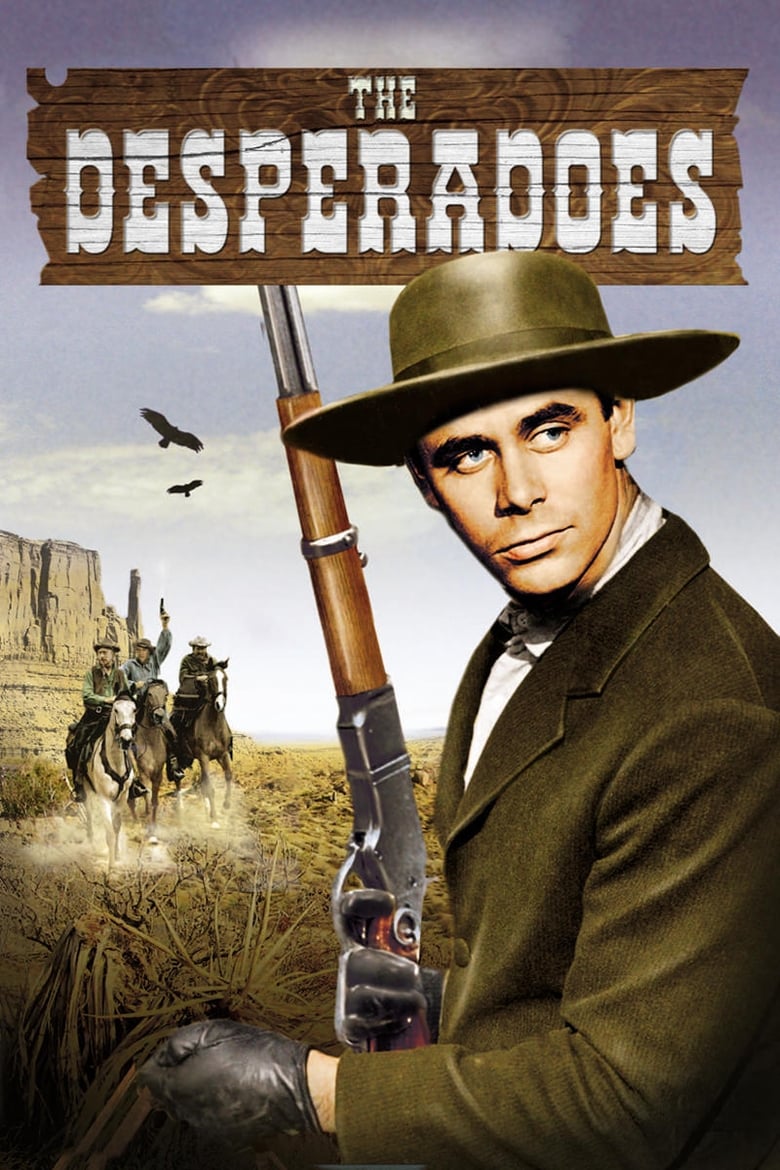
1943
NRDirector
Charles Vidor
Runtime
87 minutes
Average Rating
No ratings yetSynopsis
Popular mailcoach driver Uncle Willie is in fact in league with the town's crooked banker. They plan to have the bank robbed after emptying it, and when Willie's choice for this doesn't show in time, he gets some local boys to do it. When his man does turn up he decides to stick around, as he is pals with the sheriff and also takes a shine to Willie's daughter Allison. This gives the bad men several new problems.
Overall Score
Limited
Category Breakdown
LGBTQ+ Representation
The film lacks any evidence of non-heteronormative identities. The plot relies on traditional romantic tropes, focusing on a male protagonist's attraction to a central female character.
Gender Representation
Gender roles follow mid-century hierarchies, with male characters driving the central conflicts of crime and law enforcement. Female characters like Allison appear primarily as romantic catalysts for male motivations.
Racial & Ethnic Diversity
The narrative reflects the homogeneous social structures typical of 1940s Westerns. It centers on Anglo-Saxon archetypes without evidence of a diverse cast or non-white representation.
Religious & Cultural Diversity
The story functions as a standard morality play regarding law and crooked institutions. It reinforces established social orders rather than offering a critique of Western cultural structures.
Disability Representation
There is no mention of characters with physical or neurodivergent disabilities. The narrative does not feature any visible or invisible impairments.
Strengths
Areas for Improvement
AI Analysis
The Desperadoes is a conventional 1943 Western that adheres strictly to the social and moral hierarchies of the Golden Age of Hollywood. The narrative is driven almost entirely by male agency, focusing on bank robberies, criminal conspiracies, and law enforcement dynamics. Representation is minimal, as the film relies on standard genre tropes. It lacks intersectional depth, presenting a world defined by traditional masculinity and heteronormative romance. The characters function within established roles rather than challenging the era's social norms. Ultimately, the film serves as a period-typical morality tale. It prioritizes restorative justice and social stability over any meaningful exploration of diverse identities or complex cultural critiques.
No reviews yet. Be the first to share your thoughts on this movie!
Use the rating form above to leave a star rating and optional review.