
Cheyenne Rides Again
1937
No user ratings available yet
Diversity score: 1.3 out of 10
1938
PassedDirector
Robert F. Hill
Runtime
51 minutes
Average Rating
No ratings yetSynopsis
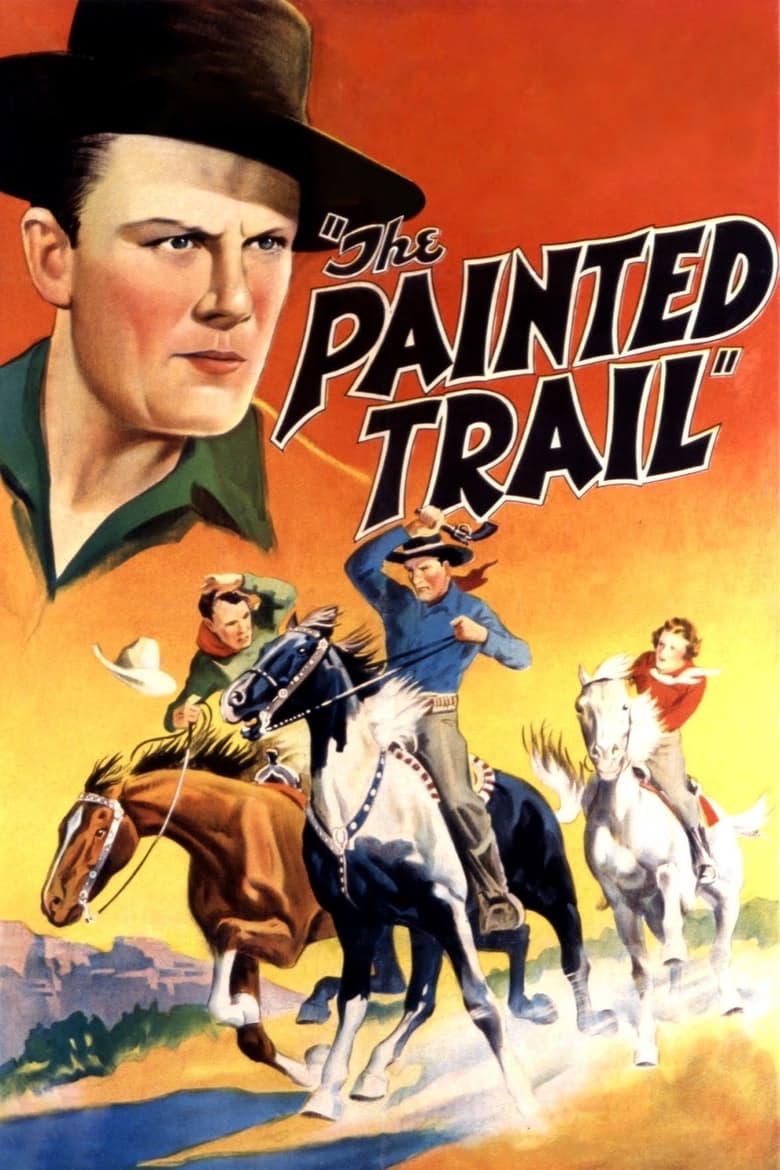
Tom Keene, formerly George Duryea and latterly Richard Powers, made his final starring appearance in the Monogram western The Painted Trail. Keene is cast as a former federal agent who is drawn out of retirement to stem the activities of smugglers Boss (Leroy Mason) and Driscoll (Walter Long). Disguising himself as an outlaw, our hero gains the confidence of the two desperadoes, only to be found out at the least appropriate time. Rest assured that Keene saves the day and manages to march ingenue Ann (Eleanore Stewart) to the altar.
Overall Score
Minimal
Category Breakdown
LGBTQ+ Representation
The film lacks any evidence of queer narratives or non-heteronormative identities. It adheres strictly to the conventional romantic structures of the 1930s.
Gender Representation
Gender roles follow a rigid hierarchy where the male protagonist acts as the decisive leader. The female lead serves as a passive ingenue whose primary role is to be protected and married off.
Racial & Ethnic Diversity
The story centers on a homogeneous Anglo-Saxon perspective typical of the era. There is no evidence of non-white agency or a diverse cast.
Religious & Cultural Diversity
The narrative reinforces traditional Western values and moral binaries. It promotes social stability through the lens of law versus lawlessness and the sanctification of marriage.
Disability Representation
There is no documented evidence of characters with visible or invisible disabilities in this production.
Strengths
Areas for Improvement
AI Analysis
The Painted Trail is a quintessential 1930s Monogram Western that prioritizes genre tropes over narrative complexity. It functions as a predictable vehicle for masculine heroism, centering on a federal agent who restores order through traditional means. The film reinforces the social hierarchies of its time, particularly regarding gender and race. The female character lacks agency, serving primarily as a motivation for the hero, while the racial landscape remains white-centric. Ultimately, the film offers no subversion of mid-century ideals. It concludes with a heteronormative resolution that upholds the patriarchal and moral certainties of the era.
1937
1941

1958
1936
1939
1938
1938
1927
1936
1926
1930
1931
No reviews yet. Be the first to share your thoughts on this movie!
Use the rating form above to leave a star rating and optional review.