
The Childhood of Maxim Gorky
1938
No user ratings available yet
Diversity score: 5.7 out of 10
1940
Director
Mark Donskoy
Runtime
97 minutes
Average Rating
No ratings yetSynopsis
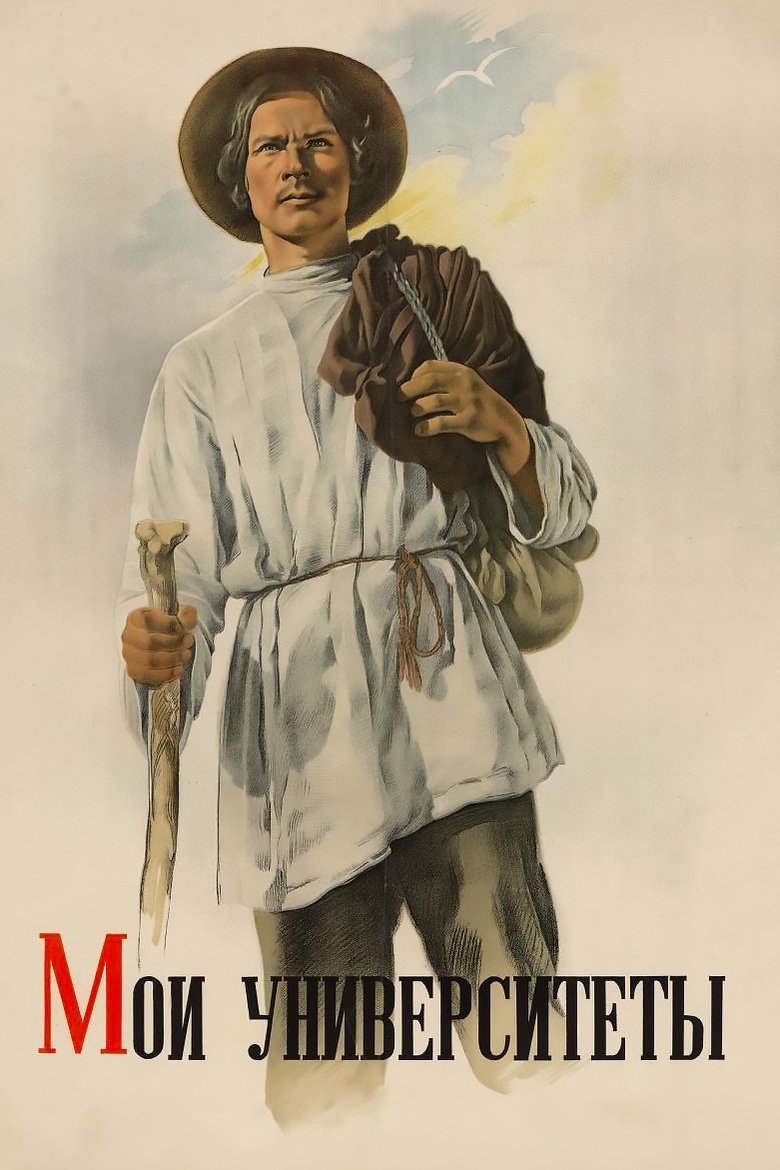
My Universities is the last installment of Russian director Mark Donskoy's "Maxim Gorki" trilogy. Having endured a painful youth in My Childhood and a torturous sojourn as a serf in My Apprenticeship, future writer Gorki reaches maturity with an insatiable desire for personal and artistic freedom. Gorky goes to work in the shipyards and commisserates with the hard-drinking, philosophical dockworkers.
Overall Score
Fair
Category Breakdown
LGBTQ+ Representation
The film focuses on traditional masculine camaraderie and the intellectual struggles of male students. It lacks any narratives that challenge heteronormativity or present non-cisnormative identities.
Gender Representation
Narrative agency is concentrated almost exclusively in male protagonists. Female characters are relegated to secondary, domestic, or supportive roles, reinforcing traditional gendered divisions of influence.
Racial & Ethnic Diversity
The cast is largely homogeneous, reflecting the specific European historical context. The film focuses on class-based distinctions rather than intentional racial or non-Anglo-Saxon diversity.
Religious & Cultural Diversity
The film excels at critiquing Western institutions, framing the Prussian state and religious influence as oppressive. It reimagines learning as a radical, anti-authoritarian experience found among the working class.
Disability Representation
There is no significant evidence regarding the portrayal of physical or neurodivergent disabilities within the narrative.
Strengths
Areas for Improvement
AI Analysis
My Universities is a study of intellectual awakening that prioritizes class struggle over identity-based representation. While it fails to provide modern diversity in terms of gender, race, or LGBTQ+ identities, it offers a powerful critique of systemic power. The film's strength lies in its radical subversion of institutional hegemony. It replaces traditional morality with a framework of political awakening, using the protagonist's journey to dismantle the legitimacy of the state and capitalist structures. However, the film remains deeply rooted in the social hierarchies of its era. The lack of diverse casting and the marginalization of female characters limit its scope by contemporary standards of representation.
1938
1939
1947
1962
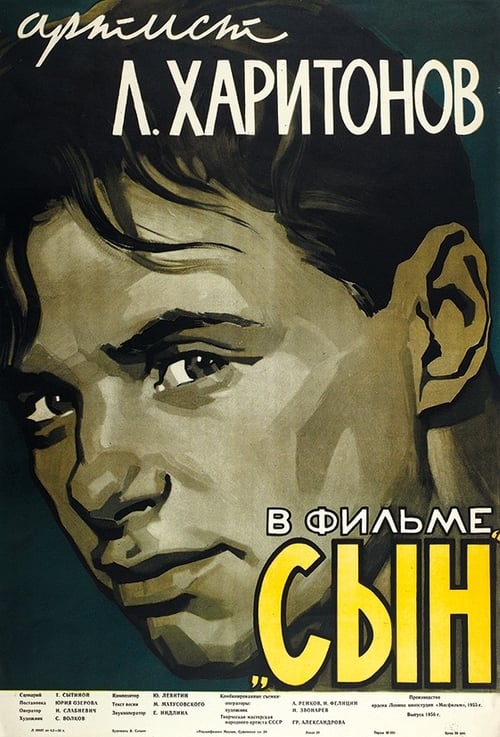
1955
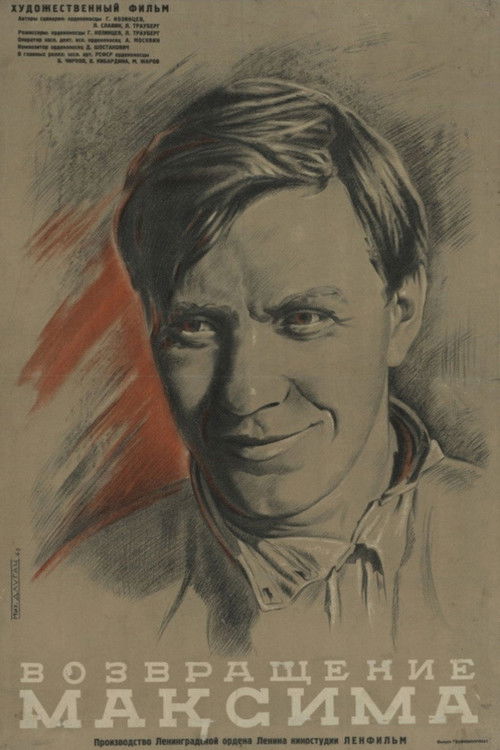
1937
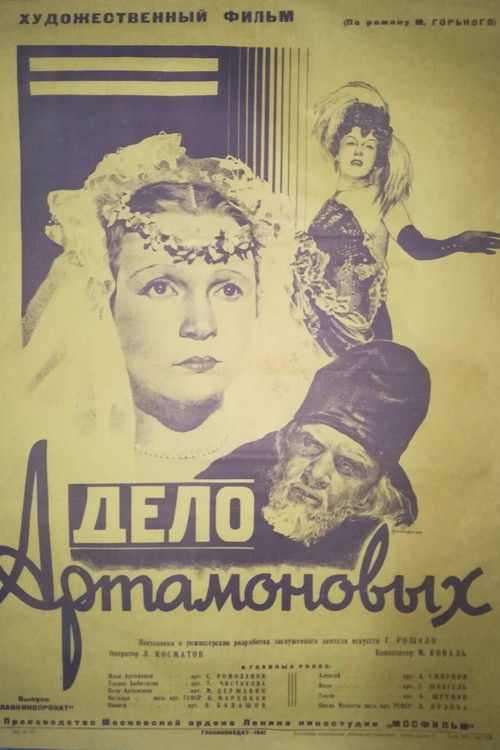
1941
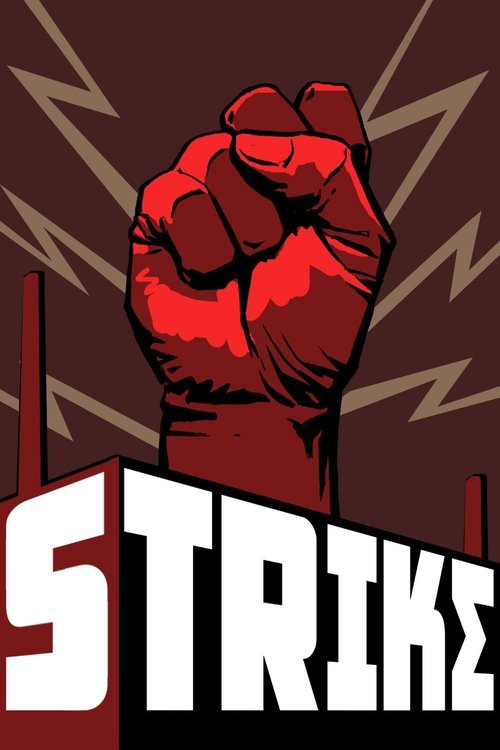
1925
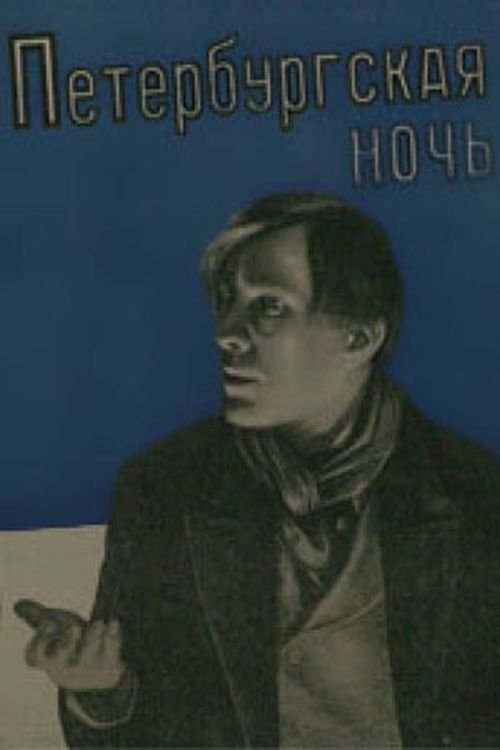
1934
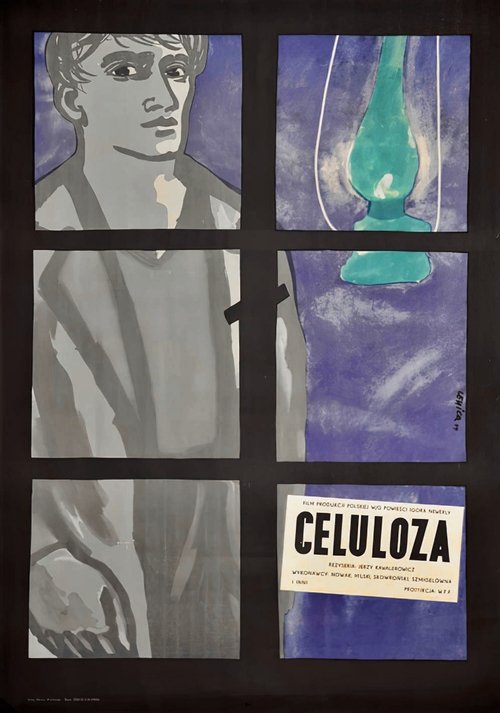
1954
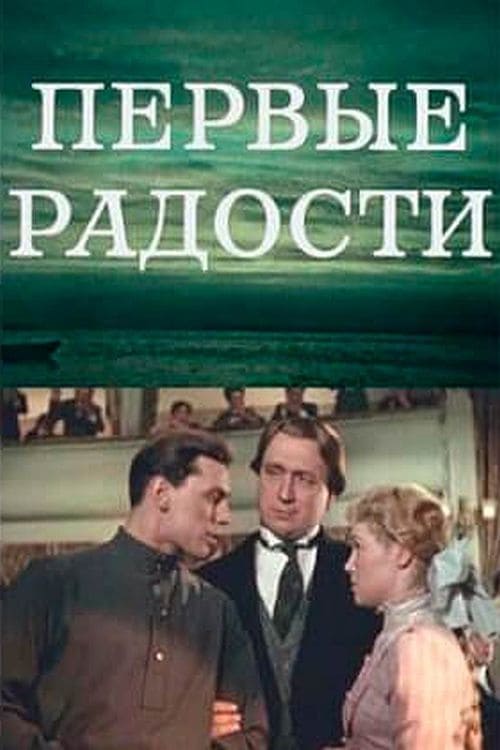
1956
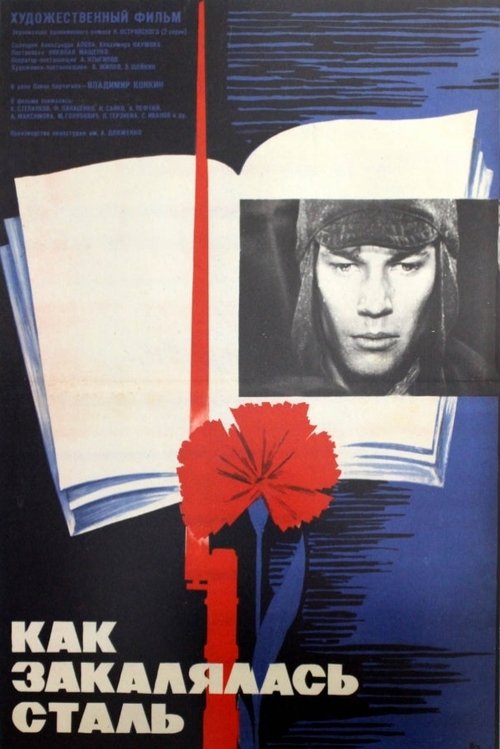
1973
No reviews yet. Be the first to share your thoughts on this movie!
Use the rating form above to leave a star rating and optional review.