
The Childhood of Maxim Gorky
1938
No user ratings available yet
Diversity score: 5.7 out of 10
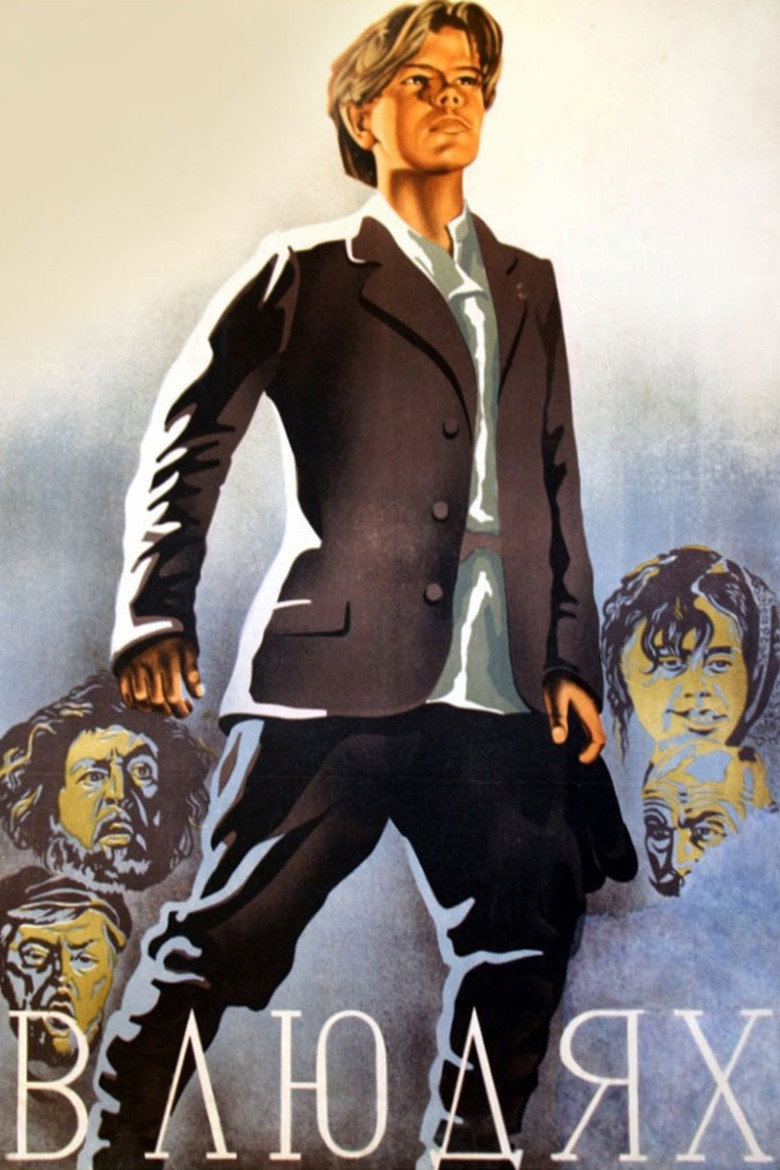
1939
Director
Mark Donskoy
Runtime
100 minutes
Average Rating
No ratings yetSynopsis
Picking up where 1938's My Childhood left off, the story covers the years in Gorki's life when the future writer was on his own, looking for a purpose and place in life.
Overall Score
Fair
Category Breakdown
LGBTQ+ Representation
The film contains no depiction of non-cisnormative identities or same-sex intimacy. The story focuses on traditional mentorship within a 19th-century social structure.
Gender Representation
Agency is concentrated in male figures, reflecting a patriarchal structure. The narrative centers on the professional development of a male protagonist through master-apprentice dynamics.
Racial & Ethnic Diversity
The cast is ethnically homogeneous, mirroring its 19th-century German setting. There is no evidence of race-bent casting or intentional ethnic blending.
Religious & Cultural Diversity
The film offers a strong critique of rigid class systems and authoritarian structures. It prioritizes humanistic values over strict religious or state-mandated morality.
Disability Representation
There is no prominent focus on neurodivergence or physical disability. Hardship is depicted primarily as a reflection of socioeconomic class struggle.
Strengths
Areas for Improvement
AI Analysis
Mark Donskoy’s film is a period piece that prioritizes ideological subversion over modern demographic intersectionality. While it lacks representation for LGBTQ+ identities, diverse racial backgrounds, or significant gender parity, it excels in its cultural critique of systemic oppression. The narrative functions as a study of the individual against dehumanizing institutions. It uses the 19th-century German setting to challenge authoritarianism and class-based hierarchies, providing a deep look at the friction between personal growth and social order. Ultimately, the film's strength lies in its humanistic themes rather than its identity-based casting. It remains a work of social commentary that favors ideological depth over contemporary representation.
1938
1947
1940
1957

1942
1946
1926
1963
1943
2013
1973
2021
No reviews yet. Be the first to share your thoughts on this movie!
Use the rating form above to leave a star rating and optional review.