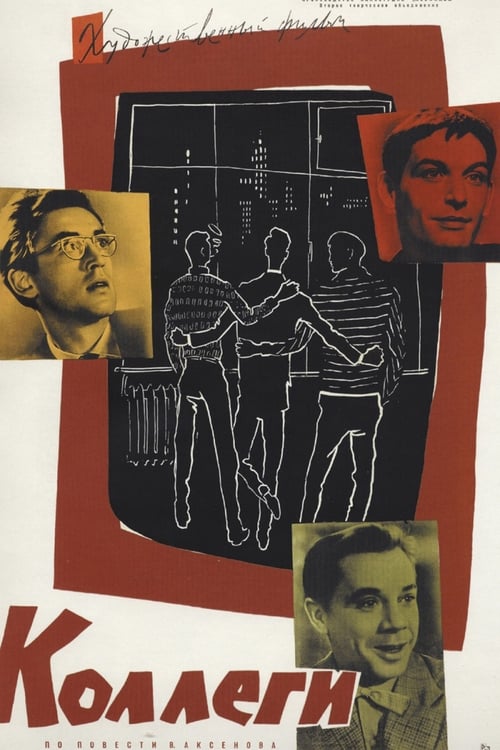
Collegues
1962
No user ratings available yet
Representation score: 2.1 out of 10
Representation Score
Minimal
1962
Director
Aleksandr Zarkhi
Runtime
99 minutes
Average Rating
No ratings yetNew Showbiz Analysis
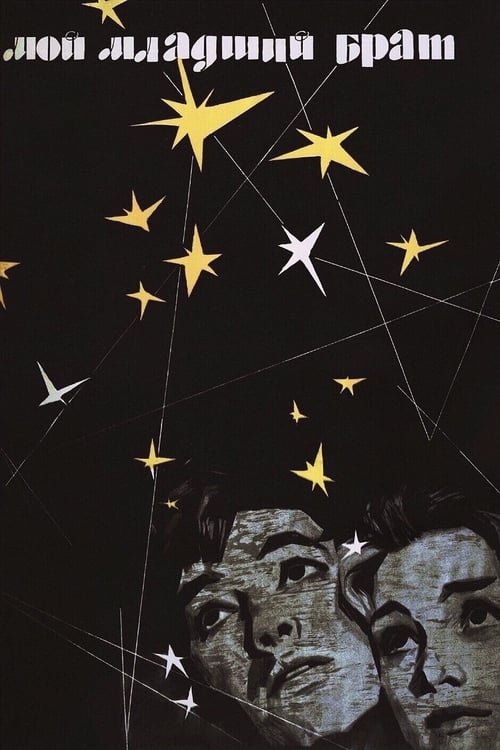
My Younger Brother exemplifies mid-century Soviet social realism. It uses personal family dynamics to reflect broader systemic changes and ideological shifts of the time. The film effectively critiques cultural and systemic issues. It dismantles traditional hierarchies and promotes a framework centered on class struggle and the importance of the Bolshevik movement. However, the film lacks diversity in its demographic representation. It focuses almost exclusively on a homogeneous Slavic, male-dominated narrative that adheres to the era's specific storytelling conventions.
Category Breakdown
The film focuses on traditional heterosexual relationships and does not include characters with non-binary gender identities or stories that challenge conventional romantic structures.
The story emphasizes masculine heroes and the struggles of ideological battles. Women play supporting roles that align with traditional family and political arcs.
The cast and setting are primarily Slavic, reflecting the historical context of the Russian Civil War. The film does not feature a diverse range of ethnicities.
The film highlights transformative social values. It criticizes traditional Western structures in favor of a revolutionary, collective ideology.
There are no characters with physical or neurodivergent disabilities. The focus is on the physical demands of the revolutionary setting.
Present on Screen
Limited or Absent
Official Synopsis
School is over, final exams are behind — and Dima was the first to think of waving away from home. The convictions of his elder brother Viktor about a serious attitude to the future life only more “warmed up” the four friends, and for the first time they went to Tallinn for the first time without the bored care of adults...
1962
1961
1965
2008
1956
1966
1987
1955
No reviews yet. Be the first to share your thoughts on this movie!
Use the rating form above to leave a star rating and optional review.