The Trip
1967
No user ratings available yet
Representation score: 3.9 out of 10
Representation Score
Good
1966
NRDirector
Conrad Rooks
Runtime
82 minutes
Average Rating
No ratings yetNew Showbiz Analysis
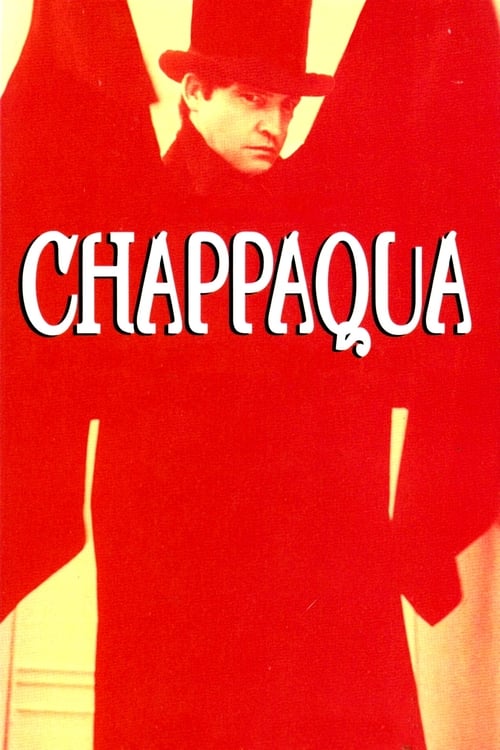
Chappaqua is a deeply personal, experimental drama that prioritizes subjective experience over traditional social representation. Its strength lies in its cultural defiance, using psychedelic themes to challenge conventional perceptions of reality and order. However, the film's focus on a singular male protagonist's journey limits its breadth. The lack of visible diversity in gender, race, and sexual orientation suggests a narrow, biographical scope typical of the era's independent cinema. Ultimately, the film functions more as a psychological study of countercultural movement than a diverse ensemble piece, finding its impact in its thematic subversion rather than its casting.
Category Breakdown
The film explores psychedelic themes common to 1960s counterculture, which often overlapped with queer spaces. However, there is no explicit confirmation of LGBTQ+ characters or narratives.
The story centers on a singular male protagonist's internal struggle and recovery. There is no evidence of significant female influence or the subversion of gender hierarchies.
Set in San Francisco and France, the film lacks explicit details regarding a diverse cast. It appears to follow the demographic norms of mid-1960s independent drama.
The narrative critiques traditional Western notions of reality through its focus on drug withdrawal. It prioritizes subjective, altered states of consciousness over established social structures.
The protagonist's struggle with drug withdrawal offers a lens into mental health and psychological challenges. The film focuses heavily on his internal state while navigating this condition.
Present on Screen
Limited or Absent
Official Synopsis
Semi-autobiographical story of Conrad Rooks, who travels to France to undergo a drug-withdrawal cure. Flashbacks to the beginings of psychedelia in San Fran. Though initially confusing, as Rooks blends drug-illusion with reality, and cuts color with black-and-white and monochrome tinted shots, "Chappaqua" is conventionally constructed with a beginning, middle, and end.
1967
1982
1966
1977
1973
2019
1966
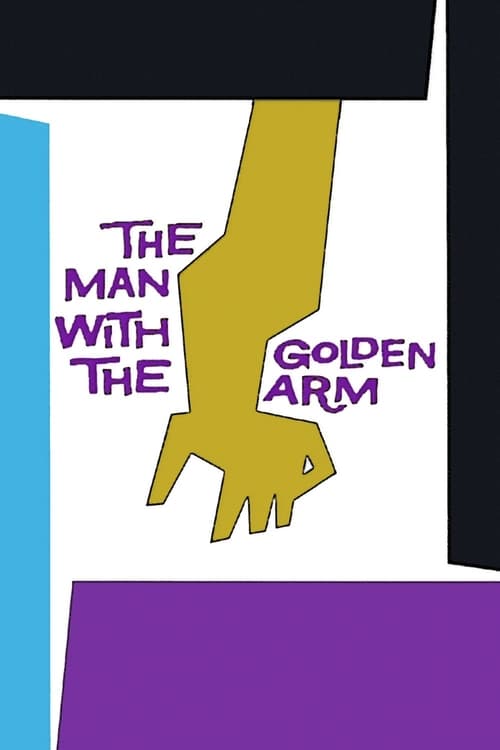
1955
No reviews yet. Be the first to share your thoughts on this movie!
Use the rating form above to leave a star rating and optional review.