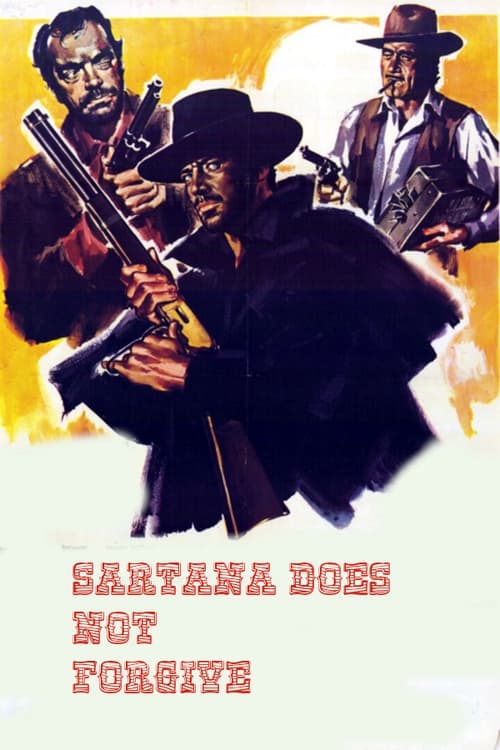
Sartana Does Not Forgive
1968
No user ratings available yet
Diversity score: 2.5 out of 10
1970
Director
Pasquale Squitieri
Runtime
88 minutes
Average Rating
No ratings yetSynopsis
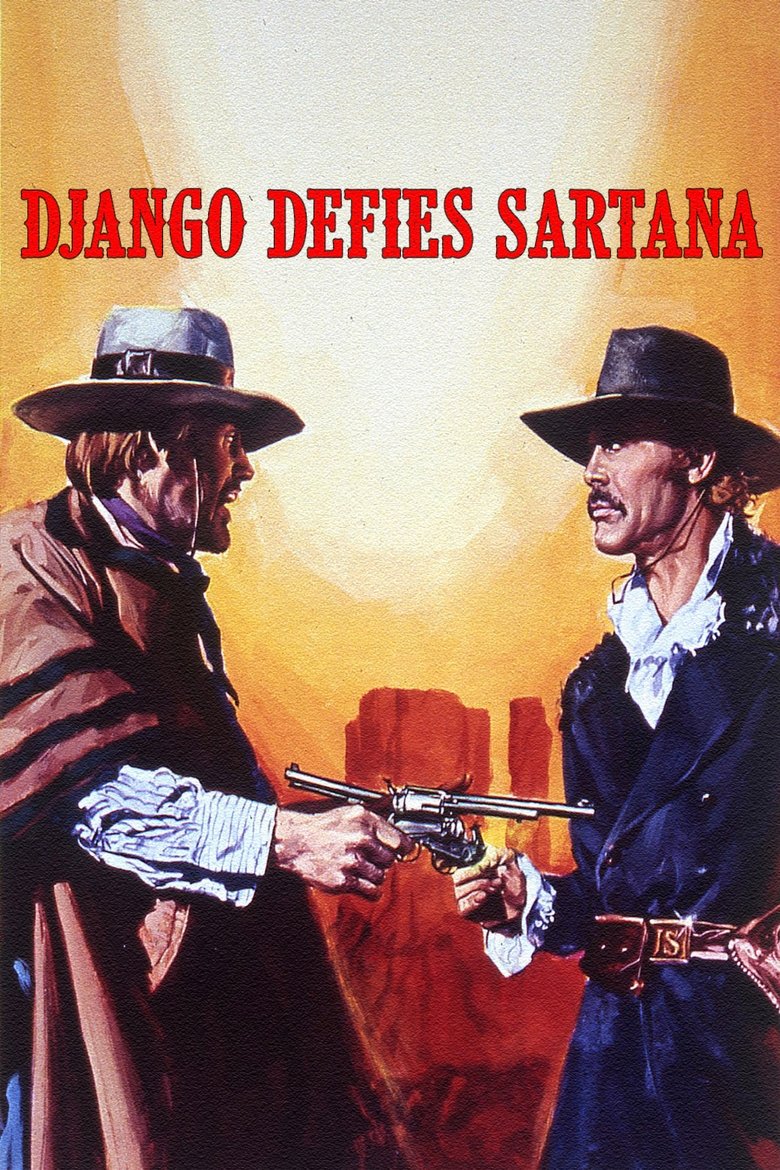
Django comes to town to discover that his brother Steve, accused of robbing a bank, has been lynched. Django believes the real culprit is Sartana and challenges him to a duel. Just in time he discovers that the author of the crime is an important local figure and Django and Sartana join forces to punish him.
Overall Score
Limited
Category Breakdown
LGBTQ+ Representation
The film adheres to traditional masculine archetypes standard to the 1970s Spaghetti Western era. There are no LGBTQ+ characters or narratives present that challenge heteronormativity.
Gender Representation
The plot is driven exclusively by male agency, focusing on vengeance and combat. Female characters appear to be relegated to peripheral or decorative roles within the masculine duel.
Racial & Ethnic Diversity
The film maintains the racial homogeneity typical of classic Western tropes. The narrative focus remains on the genre's mythos rather than featuring non-white protagonists.
Religious & Cultural Diversity
The story engages with themes of vigilantism and the subversion of corrupt local authority. However, it prioritizes individualistic justice over a systemic critique of institutions.
Disability Representation
No characters with visible or invisible disabilities are portrayed with agency. There is no evidence of disability being a central element of the narrative.
Strengths
Areas for Improvement
AI Analysis
Django Challenges Sartana is a quintessential Spaghetti Western that prioritizes genre tropes over social representation. The narrative is built around a masculine brotherhood and a quest for vengeance, leaving little room for diverse perspectives. The film operates within a framework of traditional gender hierarchies and racial homogeneity. While it subverts local authority through vigilantism, it does so through an individualistic lens rather than a systemic one. Ultimately, the work reflects the historical context of its era, focusing on stylistic genre deconstruction rather than intersectional advocacy.
1968
1970

1968
1970
1967
1969
1968
1940
1970
1971
1970
1972
No reviews yet. Be the first to share your thoughts on this movie!
Use the rating form above to leave a star rating and optional review.