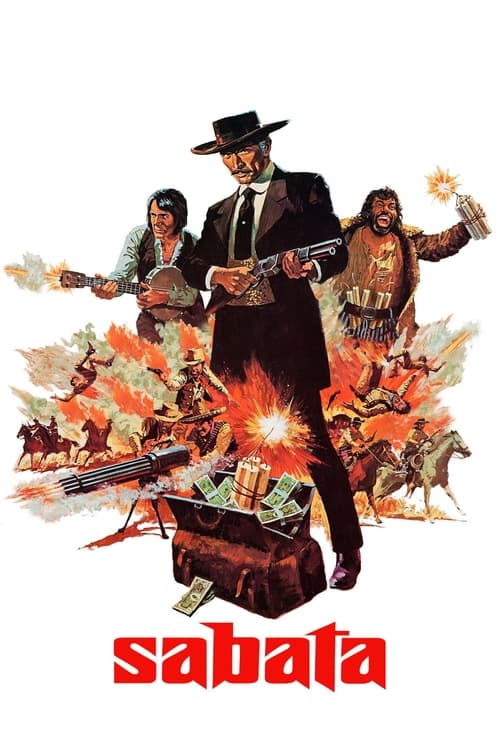
Sabata
1969
No user ratings available yet
Representation score: 1.3 out of 10
Representation Score
Minimal
1971
PGDirector
Gianfranco Parolini
Runtime
105 minutes
Average Rating
No ratings yetNew Showbiz Analysis
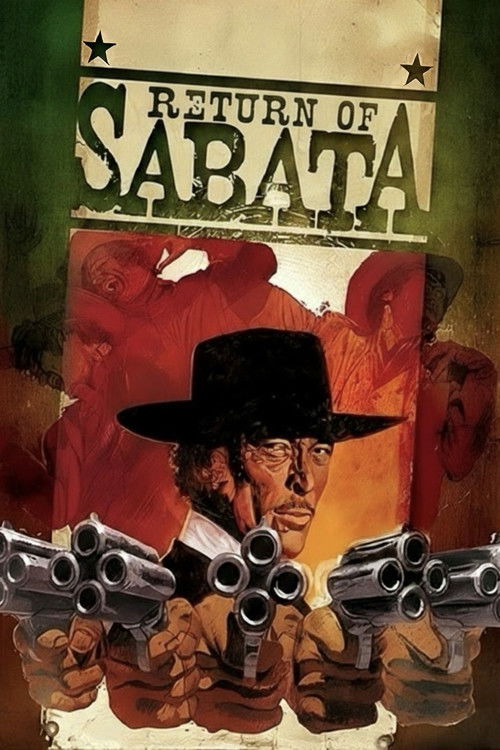
Return of Sabata is a classic Spaghetti Western that emphasizes mythic individualism and stylized violence over social critique. It follows traditional demographic and social hierarchies common in 1970s action cinema. The film relies on well-established genre clichés, such as the lone gunslinger battling local tyranny. However, it does not delve into broader systemic or identity-based power dynamics. Overall, the work remains a traditional genre piece, offering limited diverse representation or modern social complexity.
Category Breakdown
The film does not depict any non-straight or non-cisgender identities or same-sex relationships.
Female characters play supporting roles and mainly serve as catalysts for the male protagonist. The narrative lacks strong female influence that challenges male dominance.
The cast is mostly white and Anglo-Saxon, maintaining a homogeneous demographic profile typical of Western frontier stories.
The story focuses on a lone individual fighting a corrupt robber baron, emphasizing personal struggle over systemic issues.
There are no visible representations of physical or neurodivergent disabilities in the film.
Present on Screen
Limited or Absent
Official Synopsis
A quick draw, master gunslinger traveling with a circus rides into a small town and helps the citizens free themselves from a crooked politician.
1969
1971

1968
1967
1964
1970
1967
1968
No reviews yet. Be the first to share your thoughts on this movie!
Use the rating form above to leave a star rating and optional review.