
Grandpa Walrus
2018
No user ratings available yet
Diversity score: 4.9 out of 10
2013
Director
Santiago Bou Grasso
Runtime
12 minutes
Average Rating
No ratings yetSynopsis
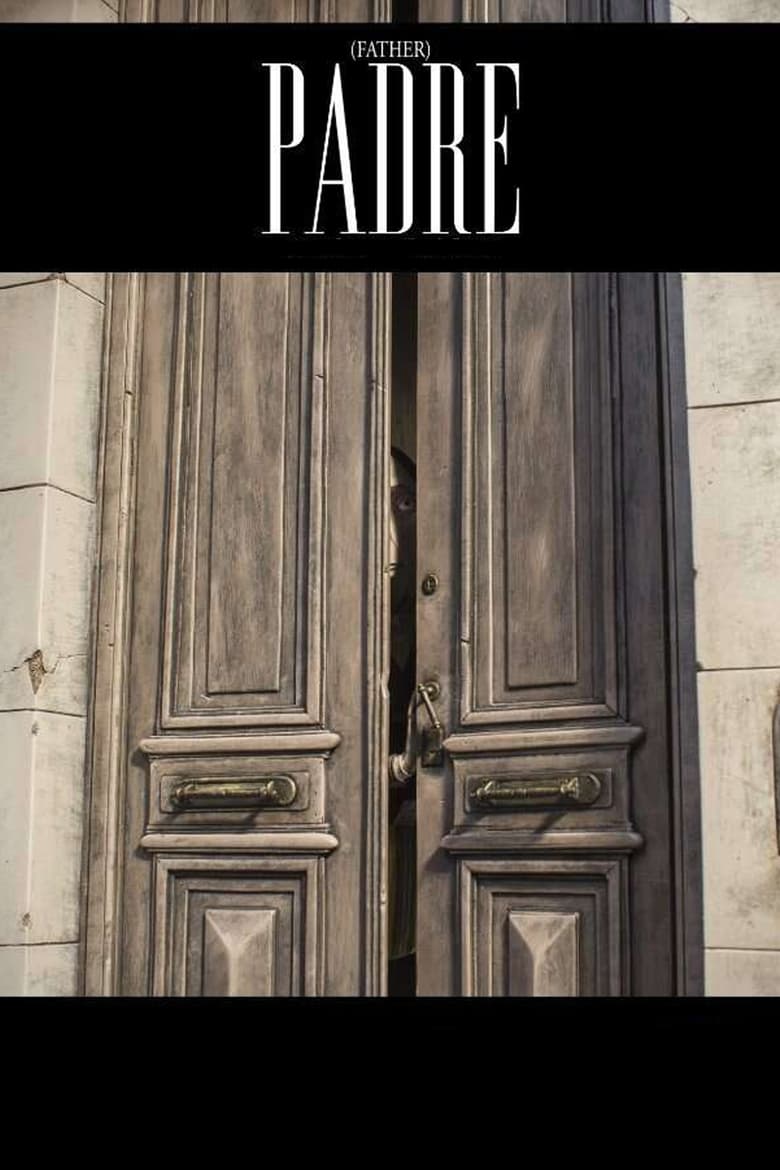
Argentina 1983, the dictatorship comes to an end in the country, but not in this woman's life.
Overall Score
Good
Category Breakdown
LGBTQ+ Representation
The film maintains a neutral baseline regarding non-heteronormative identities. There is no explicit evidence of LGBTQ+ characters within the provided narrative details.
Gender Representation
A female protagonist serves as the primary lens for viewing Argentina's political shift. This focus emphasizes female agency and resilience against systemic volatility.
Racial & Ethnic Diversity
Set in Argentina, the film offers a localized, non-Western perspective on freedom. It moves the narrative away from typical Anglo-centric historical viewpoints.
Religious & Cultural Diversity
The story critiques centralized authority and state-sponsored oppression. It prioritizes individual subjective experience over state-sanctioned morality and traditional institutions.
Disability Representation
There is no information available regarding the representation of neurodivergence or physical disabilities in this work.
Strengths
Areas for Improvement
AI Analysis
Santiago Bou Grasso’s *Padre* uses stop-motion animation to explore the intersection of domestic life and the end of the Argentine dictatorship in 1983. The film succeeds in shifting historical focus away from purely masculine-centric political narratives by centering on a woman's internal experience during a period of national restructuring. The narrative architecture effectively critiques institutional power and the trauma caused by authoritarian regimes. By focusing on the dismantling of these structures, the film provides a sophisticated look at how systemic oppression impacts the individual. However, the film lacks specific details regarding racial composition or LGBTQ+ identities. While it avoids Anglo-centric tropes through its setting, the absence of explicit character diversity in the provided details limits a more comprehensive assessment of its inclusivity.
No reviews yet. Be the first to share your thoughts on this movie!
Use the rating form above to leave a star rating and optional review.