Luis
2008
No user ratings available yet
Representation score: 5.8 out of 10
Representation Score
Excellent
2018
Not RatedDirector
Joaquín Cociña, Cristóbal León
Runtime
74 minutes
Average Rating
No ratings yetNew Showbiz Analysis
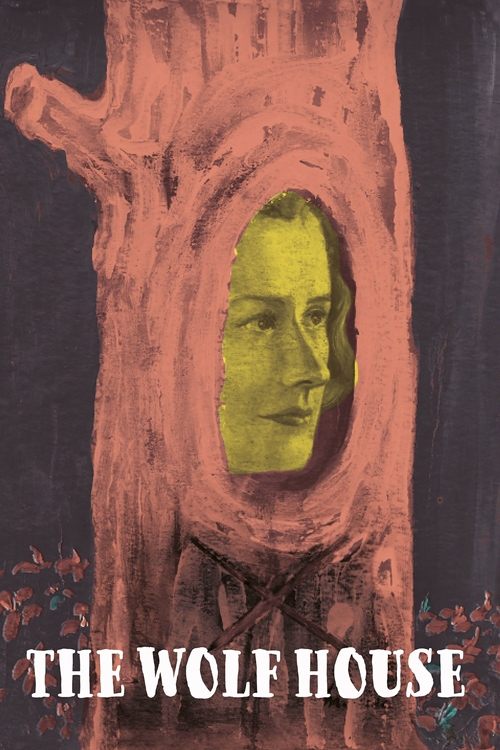
The Wolf House is a sophisticated work of avant-garde stop-motion that prioritizes metaphorical depth over conventional storytelling. It uses surrealism to critique historical state violence and the fragility of perceived reality. While the highly stylized medium and abstract nature of the animation make explicit demographic categorization difficult, the film's thematic core is deeply progressive. It successfully challenges Western institutional narratives and explores the intersection of individual choices and systemic oppression. The film's strength lies in its ability to use a postmodern lens to address the trauma of the Global South, specifically through the lens of Chilean history.
Category Breakdown
The film's abstract, metamorphic visual language obscures specific identity markers. There is no explicit depiction of LGBTQ+ identities or non-straight relationships within the narrative.
The story centers on a female protagonist navigating a hostile, shifting environment. She challenges traditional hierarchies by seeking survival through psychological endurance rather than social roles.
Stylized stop-motion textures intentionally obscure specific racial markers. However, the film provides a significant cultural anchor by centering Chilean history and post-colonial themes.
The film excels in critiquing traditional power structures and state authority. It uses the aftermath of the Chilean coup to explore memory as a fluid, subjective experience.
The narrative explores neurodivergence and psychological trauma through a fragmented reality. The protagonist navigates this deconstructing world with high ability to act, avoiding reductive clichés.
Present on Screen
Limited or Absent
Official Synopsis
After escaping from a religious colony in Chile, Maria seeks shelter in a mansion where she’s taken in by two pigs, its only inhabitants. Like in a stop-motion dream, the universe of the house reacts to her feelings. The animals slowly morph into humans and the house into a dark, menacing world.
2008
2017
2007
1985
2022
2017
2022
2014
No reviews yet. Be the first to share your thoughts on this movie!
Use the rating form above to leave a star rating and optional review.