
Wild Tango
1993
No user ratings available yet
Representation score: 7.5 out of 10
Representation Score
Excellent
1988
RDirector
Fernando E. Solanas
Runtime
127 minutes
Average Rating
No ratings yetNew Showbiz Analysis
Fernando Solanas presents a film that prioritizes post-colonial critique over traditional character-driven narratives. Its strength lies in its radical rejection of Western hegemony and its focus on the Global South. While the film excels in systemic deconstruction, it lacks specific representation for individual identities, such as LGBTQ+ or disability-focused narratives. Ultimately, the film is a landmark of Third Cinema, framing the periphery as a site of ability to act.
Category Breakdown
The film doesn't include explicit stories about LGBTQ+ individuals or same-sex relationships. However, it questions social structures in a way that makes straight-centered assumptions less important.
The focus is on collective socio-political struggles rather than individual gender dynamics. By emphasizing the community over the nuclear family, the film subtly challenges traditional patriarchal structures.
The film highlights the identities and aesthetics of non-Western cultures. It portrays populations in the Global South as central actors in a struggle against neo-colonialism.
This work is a strong anti-imperialist critique. It challenges Western institutions and prioritizes systemic, secular critiques over religious morality.
There are no specific disability-driven character arcs. The film explores systemic vulnerability caused by economic and colonial structures in a metaphorical way.
Present on Screen
Limited or Absent
Official Synopsis
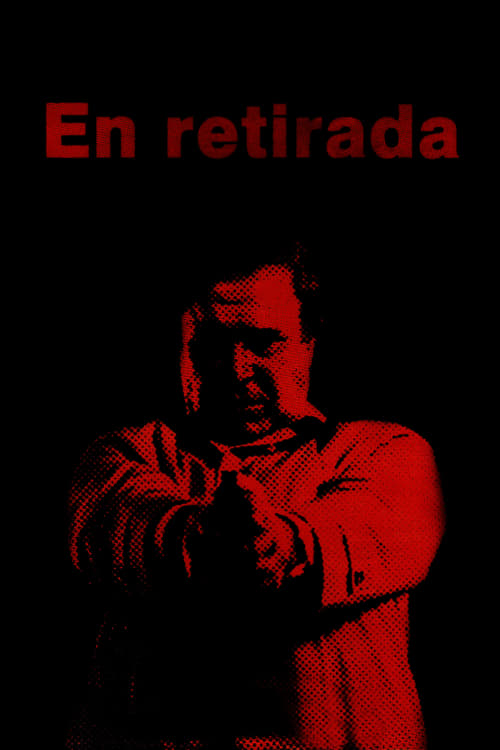
After the end of the military dictatorship in Argentina in 1983, Floreal is released from prison. Instead of returning to his wife, he wanders through the night of Buenos Aires. He meets some people from his past–most of which are only imaginary–and remembers the events of his imprisonment.
1993

1985
1976
2018

2007

1985
1987
1984
No reviews yet. Be the first to share your thoughts on this movie!
Use the rating form above to leave a star rating and optional review.