
Private Lives
2001
No user ratings available yet
Representation score: 8.2 out of 10
Representation Score
Good
2016
PG-13Director
Manane Rodríguez
Runtime
109 minutes
Average Rating
No ratings yetNew Showbiz Analysis
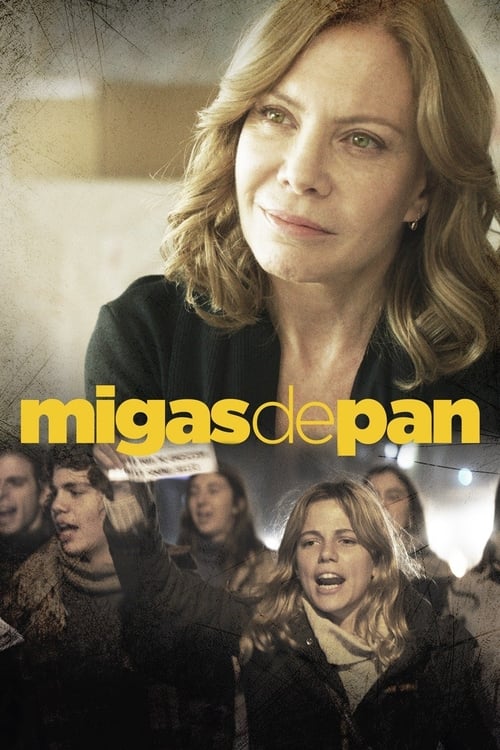
Breadcrumbs is a sophisticated drama that challenges the hierarchy of domesticity and state authority. It avoids easy resolutions, instead exploring how systemic oppression informs personal identity. The film's strength lies in its refusal to prioritize peaceful domesticity over historical truth. By centering a woman's struggle with state-sponsored violence, it elevates women's roles above traditional family clichés. While the film excels in gender and cultural critique, it lacks specific evidence regarding LGBTQ+ characters or disability representation. It remains a deeply regional, character-driven study of memory.
Category Breakdown
The film does not explicitly depict queer identities or non-straight relationships. However, its focus on breaking social silences suggests a potential openness to identities outside conventional expectations.
The narrative centers entirely on women's roles and moral weight. Liliana subverts the submissive matriarch stereotype by prioritizing historical justice over traditional patriarchal domesticity.
The film centers non-Anglo-Saxon perspectives rooted in Uruguayan history. Specific details regarding the racial composition of the supporting cast are not provided.
The story prioritizes interrogating state power and institutional corruption. It deconstructs the idealized family unit by framing the domestic sphere as a site of historical trauma.
There is no evidence regarding the inclusion of characters with visible or invisible disabilities.
Present on Screen
Limited or Absent
Official Synopsis
When Liliana decides to return to Uruguay she will have to face up to a new dilemma, perhaps the last great dilemma of her life: To choose between supporting a collective case for female prisoners, raped during the time of the dictatorship, or to reconcile with her son and be able to live peacefully as a mother and a grandmother.
2001

1985
1989
2009

2016

2013

2013
2004
No reviews yet. Be the first to share your thoughts on this movie!
Use the rating form above to leave a star rating and optional review.