
Miguelito
1985
No user ratings available yet
Diversity score: 6.6 out of 10
1984
Director
Juan Carlos Desanzo
Runtime
87 minutes
Average Rating
No ratings yetSynopsis
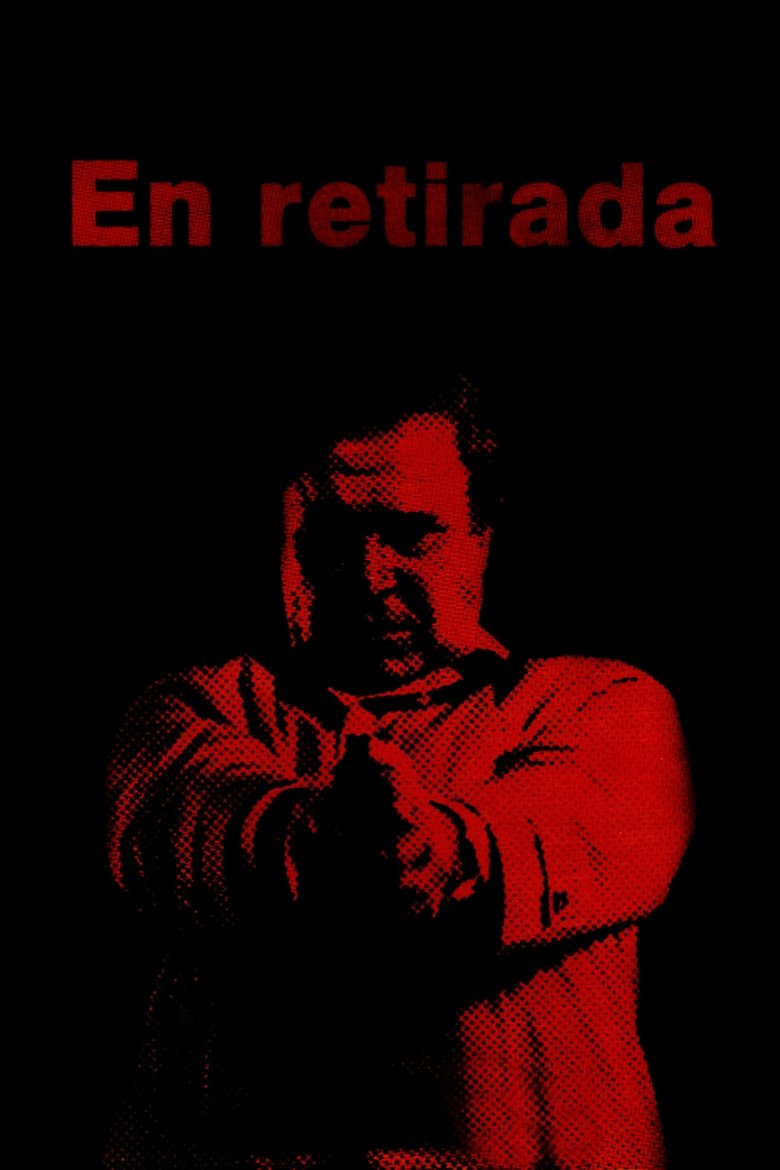
A former Triple A (Argentine anti-communist alliance) is abandoned by his former colleagues after the Argentine dictatorship falls, in the course of his solitude he slowly becomes more insane and falls further into dementia, at the same time as one of the parents of the many children that he murdered and tortured during the dictatorship persecute him for revenge.
Overall Score
Fair
Category Breakdown
LGBTQ+ Representation
The film lacks explicit evidence of LGBTQ+ characters or non-heteronormative identities. The narrative focus remains strictly on political fallout and individual psychological decay.
Gender Representation
The story prioritizes a male-centric perspective centered on masculine tropes of violence and instability. While a parent pursues justice, the primary arc lacks significant subversion of gender hierarchies.
Racial & Ethnic Diversity
As a localized Argentine drama, the film focuses on the domestic socio-political landscape. There is no evidence of a multi-ethnic cast or specific racial dynamics.
Religious & Cultural Diversity
The film offers a sophisticated critique of state institutions and historical power structures. It challenges the morality of previous authorities by framing former state protectors as agents of trauma.
Disability Representation
The protagonist's descent into dementia provides a nuanced portrayal of mental health. The narrative uses cognitive decline to explore the psychological consequences of systemic violence rather than using it as a plot device.
Strengths
Areas for Improvement
AI Analysis
In Retirement serves as a heavy, socio-political examination of Argentina's transition to democracy. It succeeds most in its intellectual engagement with institutional corruption and the psychological toll of state-sponsored violence. The film's strength lies in its refusal to treat mental illness as a caricature, instead using the protagonist's dementia to ground the political tragedy. However, the narrative remains largely confined to traditional masculine archetypes and a narrow demographic focus. While it lacks diverse representation in terms of identity, its cultural depth provides a powerful critique of historical hierarchies and the legitimacy of power.
1985

1978

2010

1999

1978
No reviews yet. Be the first to share your thoughts on this movie!
Use the rating form above to leave a star rating and optional review.