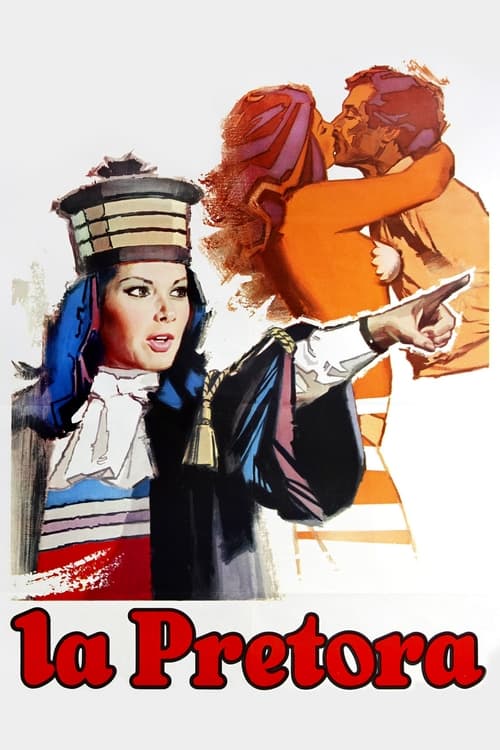
My Sister in Law
1976
No user ratings available yet
Representation score: 4.1 out of 10

Representation Score
Minimal
1973
Director
Sergio Martino
Runtime
94 minutes
Average Rating
No ratings yetNew Showbiz Analysis
Giovannona Long-Thigh is a period-specific comedy that leans heavily on traditional genre clichés. While it offers a cynical view of institutional corruption, it does so through a narrow lens that reinforces existing social hierarchies. The story is driven by male characters—a judge, a factory owner, and a monsignor—who use women as tools for their own goals. This creates a dynamic where female characters are commodified rather than empowered. Ultimately, the film lacks depth in representing multiple aspects of identity. It serves as a satire of corruption within established Western institutions without challenging the underlying assumptions about gender and race.
Category Breakdown
The film does not include any LGBTQ+ characters or stories. The plot revolves around a relationship focused on seduction and cheating.
Women are portrayed mainly as objects of desire through 'femme fatale' and prostitute stereotypes. Their influence is tied to their sexual roles to serve male interests.
The cast seems ethnically uniform, fitting the local Italian context. There is no indication of racial diversity or varied casting.
The movie pokes fun at the Church and legal system by showing corruption and bribery. However, it targets institutional integrity rather than broader societal issues.
There is no mention of characters with visible or invisible disabilities in this production.
Present on Screen
Limited or Absent
Official Synopsis
When a judge shuts down a high profile cheese factory for violating pollution standards, the owner bribes a monsignor to fix the problem. After they discover the judge has a predilection for married women, the owner employs a prostitute to pose as his wife in an attempt to seduce the judge.
1976
1972

1976
1973
1981

1972
1961
1980
No reviews yet. Be the first to share your thoughts on this movie!
Use the rating form above to leave a star rating and optional review.