Johnny Banco
1967
No user ratings available yet
Representation score: 2.9 out of 10
Representation Score
Minimal
1959
Director
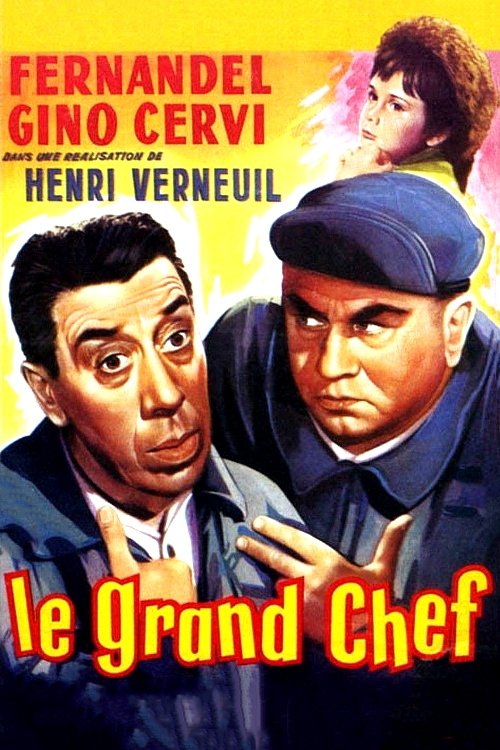
Henri Verneuil
Runtime
92 minutes
Average Rating
No ratings yetNew Showbiz Analysis
Gangster Boss is a product of its era, prioritizing mid-century crime-comedy clichés over diverse representation. The narrative structure focuses on individualistic ability to act and traditional social hierarchies common to 1950s French cinema. The film relies heavily on male-driven conflict and conventional casting. While it uses ethnic costumes for plot purposes, it does not engage in meaningful cultural or racial exploration. Ultimately, the production aligns with the standard cinematic conventions of the late 1950s, offering little disruption to established social or gender norms.
Category Breakdown
The film does not include any LGBTQ+ characters or narratives. It adheres to the assumption that everyone is straight or cisgender, typical of 1959 cinema.
The plot is driven by male-centric dynamics between villains and a child. It relies on traditional crime-comedy clichés rather than challenging gender hierarchies.
Characters use Indian disguises as a plot device, but this serves as costume rather than meaningful exploration of ethnicity. The film maintains Western-centric casting norms.
The story follows established mid-century European genre conventions regarding crime and social hierarchy. It lacks any significant institutional or anti-capitalist critique.
There is no evidence of characters with visible or invisible disabilities within the narrative.
Present on Screen
Limited or Absent
Official Synopsis
In Paris, two scoundrels kidnap a wealthy man's preteen son, disguised as Indians, only to find he's a savvy detective, making their ransom plan much more complicated.
1967
1985
1965
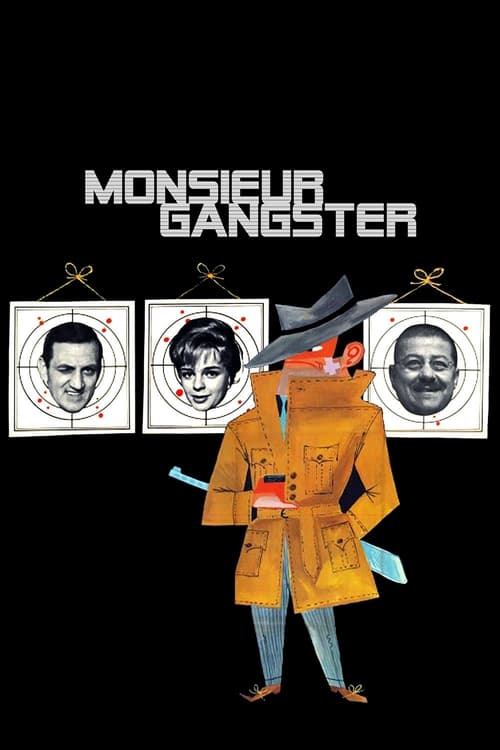
1963
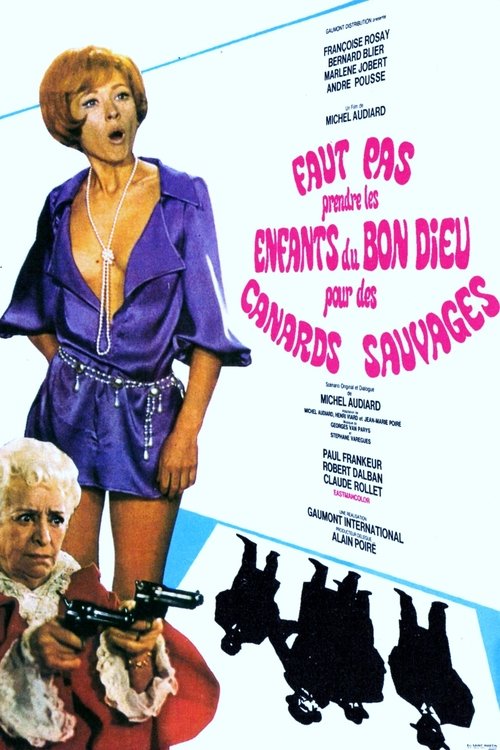
1968
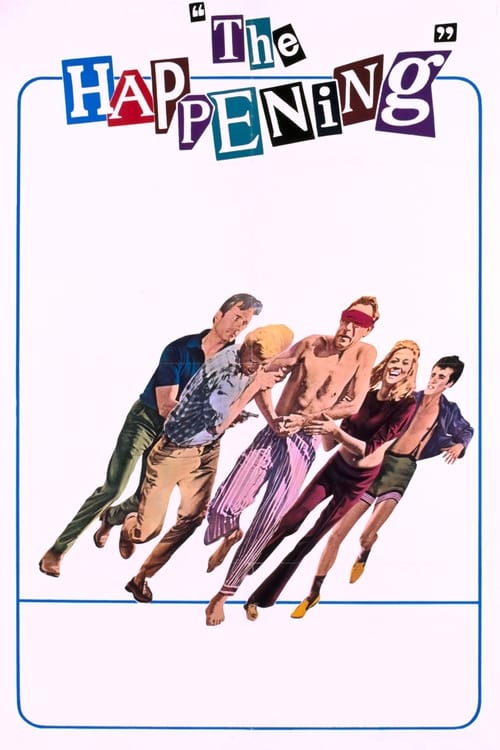
1967
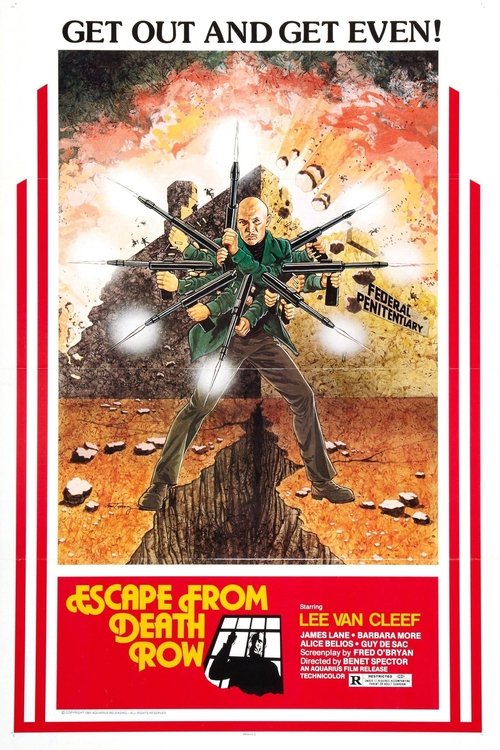
1973
1966
No reviews yet. Be the first to share your thoughts on this movie!
Use the rating form above to leave a star rating and optional review.