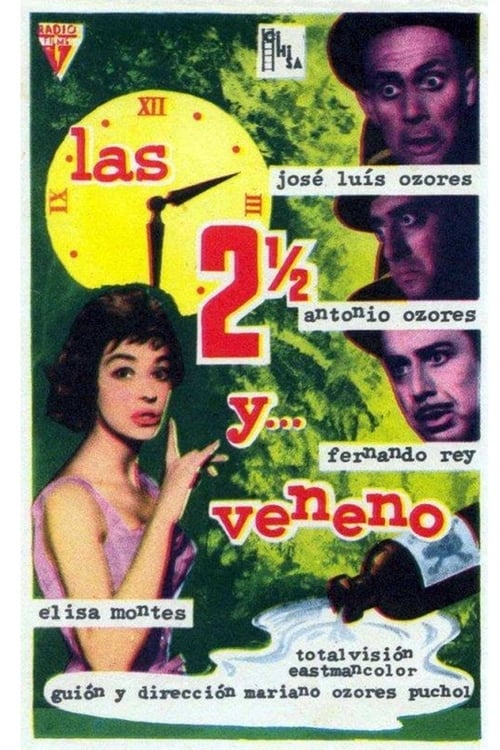
Poison at 2:30
1959
No user ratings available yet
Representation score: 1.1 out of 10
Representation Score
Minimal
1950
Director
Carlo Ludovico Bragaglia
Runtime
86 minutes
Average Rating
No ratings yetNew Showbiz Analysis
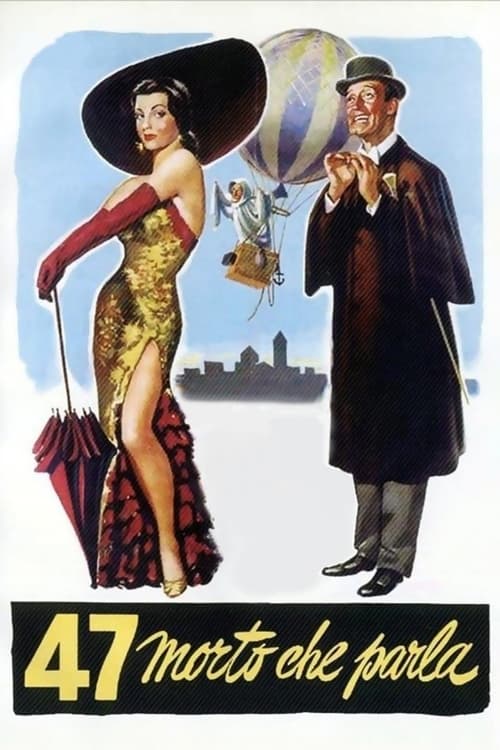
47 Talking Corpses is a traditional mid-century comedy that prioritizes situational farce and moralistic storytelling. The plot functions as a character study of greed, using a trickster motif to drive the narrative forward. The film adheres to the established social and demographic constraints of 1950s Europe. It focuses on a singular, selfish authority figure and a collective of townspeople, maintaining a very conventional social structure. Ultimately, the work lacks representation that reflects multiple aspects of identity. It relies on archetypal characters and religious themes to explore the tension between individual hoarding and communal responsibility.
Category Breakdown
The film follows the traditional social structures of 1950s Italy. There is no depiction of non-straight or non-cisgender identities, nor does it challenge the assumption that everyone is straight or cisgender.
The story is mainly driven by male authority figures like the Baron and the Major. It lacks the challenge of traditional gender roles and diverse female roles.
The production reflects the homogeneous demographic reality of mid-century Italy. It does not include a multi-ethnic cast or any instances of race-bent casting.
The story uses religious constructs, such as saving one's soul, as a tool for social manipulation. It focuses on personal greed rather than critiquing institutional systems.
The film provides no evidence of characters with visible or invisible disabilities. No representation of disability is present in the narrative.
Present on Screen
Limited or Absent
Official Synopsis
Greedy Baron Antonio Peletti refuses to give to his town the heredity left by his father, a box full of precious jewels, which he keeps for himself. The major and the rest of the townspeople therefore organize a trick at his expense: they'll make him believe he is dead, and, in a fake "afterlife", they'll try to convince him to finally show them where the money is hidden to save his soul.
1959
1961
1977

1960
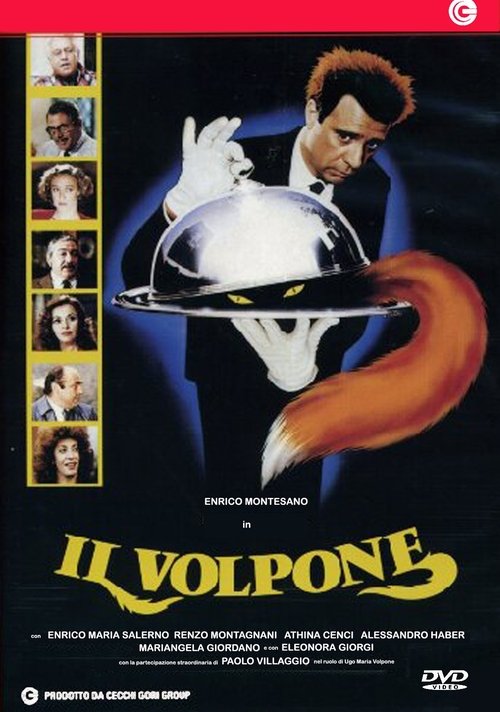
1988
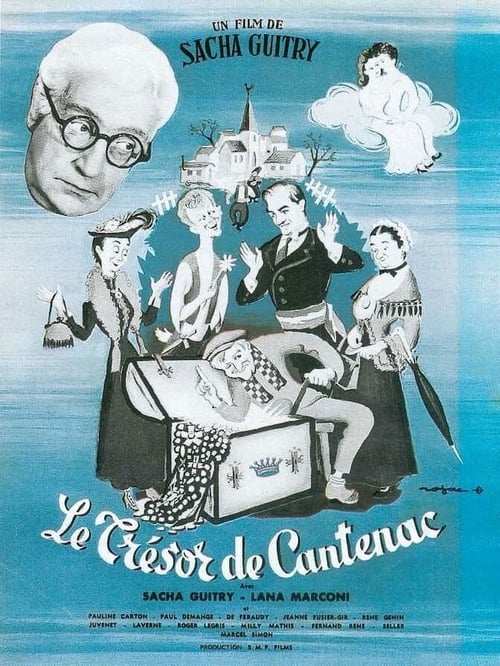
1950
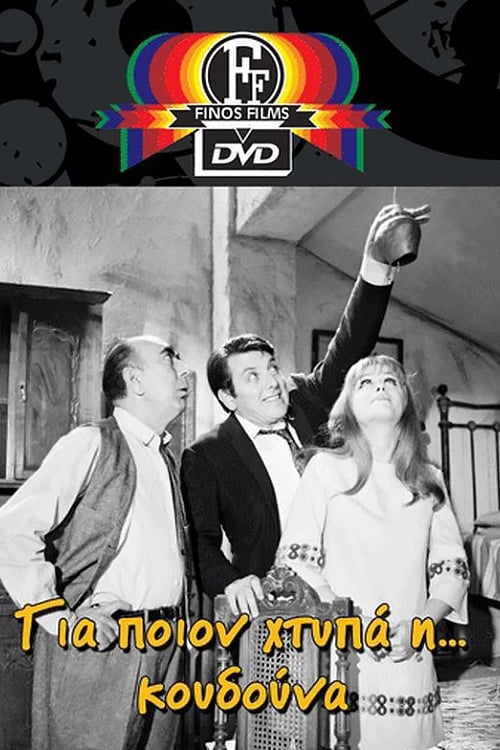
1968
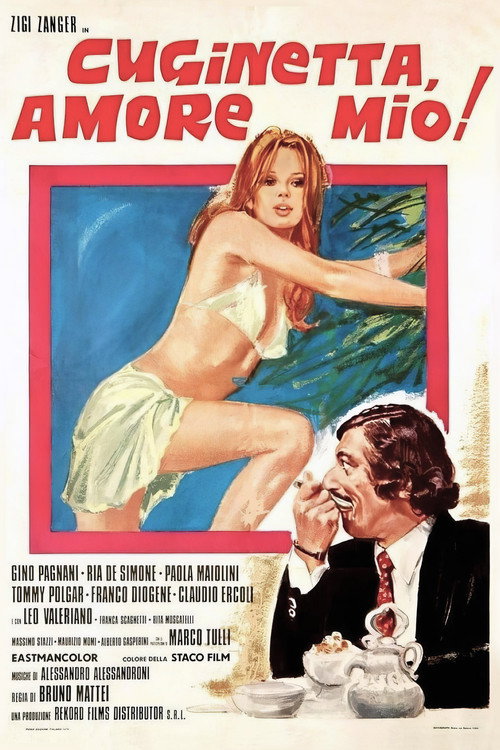
1976
No reviews yet. Be the first to share your thoughts on this movie!
Use the rating form above to leave a star rating and optional review.