
La cambiale
1959
No user ratings available yet
Representation score: 1.8 out of 10

Representation Score
Limited
1956
Director
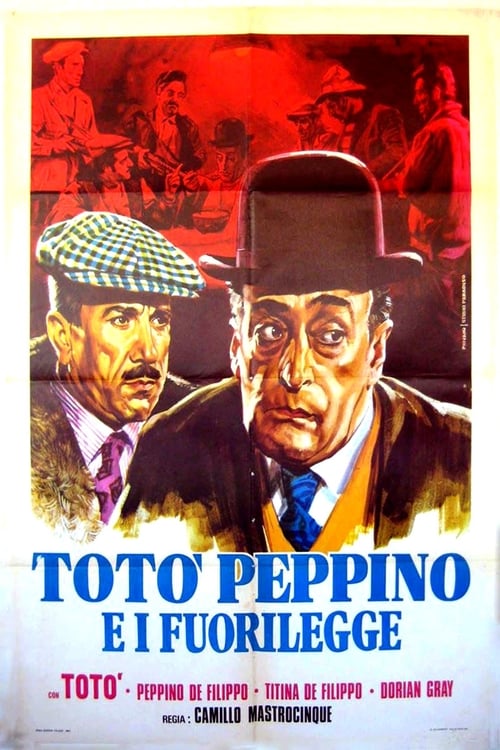
Camillo Mastrocinque
Runtime
101 minutes
Average Rating
No ratings yetNew Showbiz Analysis
The film is a product of its era, functioning as a character-driven comedy centered on male-driven economic survival. The narrative structure follows traditional mid-century paradigms, prioritizing the schemes of three men over broader social representation. While the film touches on class through the lens of poverty and counterfeiting, it lacks diversity. The focus remains on individual morality and domestic issues within a conventional social framework. Ultimately, the work reflects the homogeneous social landscapes of post-war Italy, offering little disruption to established gender or ethnic hierarchies.
Category Breakdown
The film does not include any LGBTQ+ characters or narratives. It adheres to the social and cinematic norms of 1956, focusing on traditional domestic struggles.
The plot centers around three male protagonists who drive the central criminal enterprise. Female characters are secondary, tied to domestic family issues.
The setting suggests a homogeneous Italian social environment. There is no evidence of racial or ethnic diversity within the narrative.
The story explores economic desperation and individual morality. It focuses on localized class struggles rather than broader cultural critiques.
There is no mention of characters with visible or invisible disabilities in the narrative.
Present on Screen
Limited or Absent
Official Synopsis
Italy, mid '60s. Three guys from a poor neighbourhood try to get rich by printing fake money using the fact that one of them works as a typographer. The story unravels around their embarrassed efforts to spend the money, their little family issues and ends with a surprise.
1959

1964
1956

1958

1953

1960
1955

1954
No reviews yet. Be the first to share your thoughts on this movie!
Use the rating form above to leave a star rating and optional review.