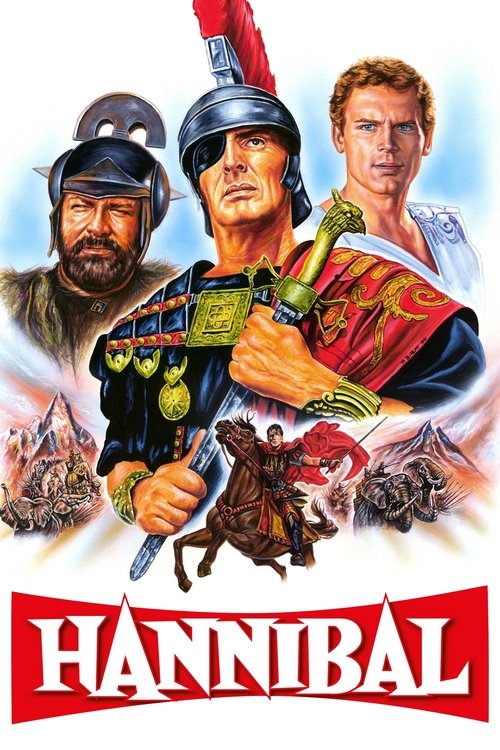
Hannibal
1959
No user ratings available yet
Representation score: 3.8 out of 10

Representation Score
Good
1954
ApprovedDirector
Douglas Sirk
Runtime
92 minutes
Average Rating
No ratings yetNew Showbiz Analysis
Douglas Sirk’s direction adds moral complexity to the geopolitical conflict in this historical adventure. While the film adheres to the social constraints of its time, it avoids the most simplistic genre clichés. The film stands out for its subversion of gender roles and its nuanced portrayal of cultural intersections between Romans and Huns. Pulcheria is a rare example of a politically active female character with significant influence.
Category Breakdown
The film follows traditional 1950s conventions where there is no mention of LGBTQ+ identities or subtext in the romantic and political storylines.
Pulcheria breaks historical stereotypes by playing a central role in politics. She demonstrates significant intellectual ability to act and influences the Emperor, rather than being a passive character.
The story examines the tension between Roman and Hunnic identities. This cultural clash provides a nuanced look at 'otherness' beyond a simple Roman perspective.
Sirk critiques institutional corruption by presenting 'pagan' elements as a systemic force. This approach offers a relativistic view of power rather than straightforward villainy.
The film lacks meaningful representation of physical or neurodivergent disabilities. Characters are primarily defined by their political standing or physical abilities.
Present on Screen
Limited or Absent
Official Synopsis
Roman centurion Marcian is captured by Attila the Hun en route to Constantinople, but escapes. On arrival, he finds the eastern Roman emperor Theodosius plotting with Attila to look the other way while the latter marches against Rome. But Marcian gains the favor of Pulcheria, lovely sister of Theodosius, who favors a united Empire.
1959

1951
1968
1963

1969

1954
1954

1958
No reviews yet. Be the first to share your thoughts on this movie!
Use the rating form above to leave a star rating and optional review.