
Zaytoun
2012
No user ratings available yet
Representation score: 6.6 out of 10
Representation Score
Limited
2014
Not RatedDirector
Naji Abu Nowar
Runtime
100 minutes
Average Rating
No ratings yetNew Showbiz Analysis
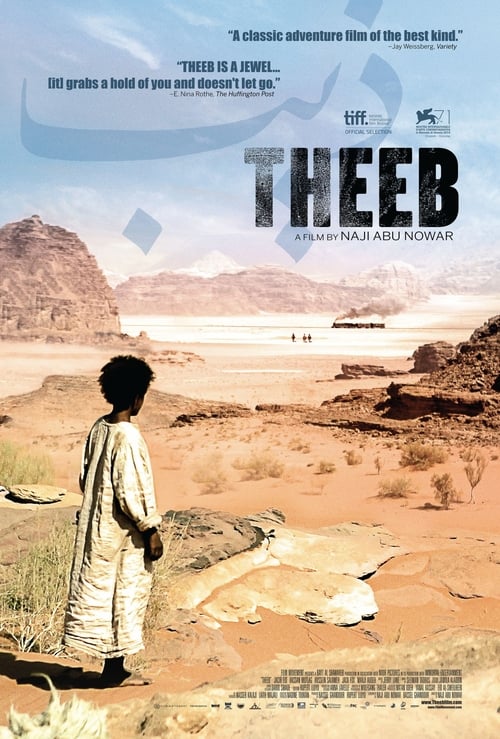
Theeb is a powerful exploration of cultural specificity that deconstructs the colonial adventure cliché. By focusing on a Bedouin perspective, the film replaces the typical Western hero narrative with a detailed look at tribal sovereignty and survival. Its strongest point is its refusal to fall into the colonial gaze, using an authentic cast and prioritizing indigenous law to position local characters as the masters of their environment. However, the film remains confined by traditional social structures, with a strong emphasis on masculine rites of passage and a lack of diverse gender representations.
Category Breakdown
The film does not include any LGBTQ+ characters or narratives. The story focuses on the traditional tribal structures of the 1916 Arabian Desert.
The narrative is heavily male-focused, emphasizing masculine hierarchies and rites of passage. Women are shown in traditional domestic roles, reinforcing the gender hierarchies of the time.
The film features an authentic Jordanian and Bedouin cast, avoiding Western stereotypes by giving indigenous characters significant roles in driving the plot.
The story emphasizes tribal laws over Western legal systems, offering a sophisticated critique of colonialism by highlighting indigenous knowledge and situational ethics.
There are no characters defined primarily by disabilities or neurodivergence. The film explores physical vulnerability and survival trauma but does not make these the main identity traits.
Present on Screen
Limited or Absent
Official Synopsis
Set in the Arabian Desert of 1916, the film follows Theeb, a young Bedouin boy, and his brother Hussein as they leave the safety of their tribe to venture on a treacherous journey at the dawn of the Great Revolt. If Theeb is to survive he must quickly learn about adulthood, trust and betrayal.
2012
1943
2016
2019
2014
2011
2011
2015
No reviews yet. Be the first to share your thoughts on this movie!
Use the rating form above to leave a star rating and optional review.