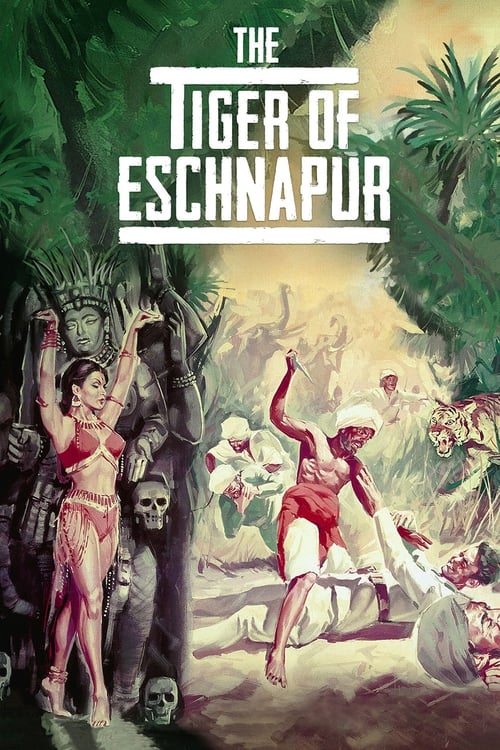
The Tiger of Eschnapur
1959
No user ratings available yet
Representation score: 1.2 out of 10
Representation Score
Limited
1953
NRDirector
Henry King
Runtime
100 minutes
Average Rating
No ratings yetNew Showbiz Analysis
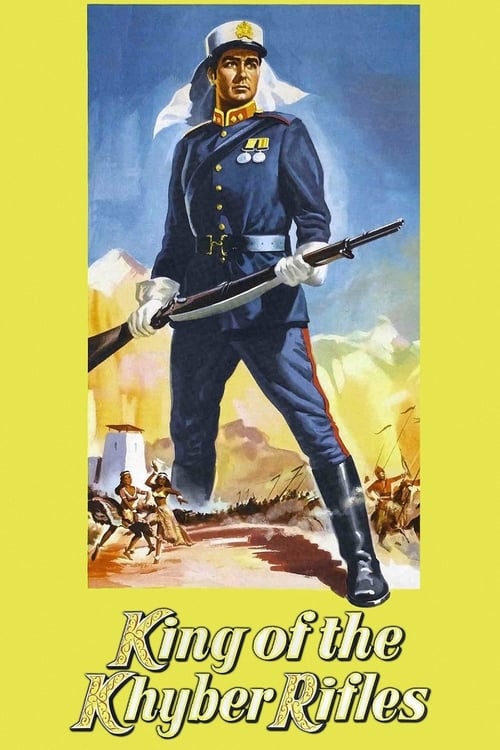
King of the Khyber Rifles functions as a transitional colonial adventure film. By focusing on a protagonist with mixed heritage, it moves beyond simplistic clichés to explore systemic prejudice within the British military hierarchy. Though the film upholds 1950s gender norms and lacks LGBTQ+ representation, it provides a more intricate view of racial and cultural dynamics compared to similar films of its era. The narrative humanizes indigenous characters while examining the social friction caused by the British Raj. Ultimately, the film's strength lies in its exploration of identity and moral relativism, even as it remains confined within the traditional structure of a Hollywood adventure drama.
Category Breakdown
The film does not include any LGBTQ+ characters or explore non-straight identities. The romance focuses solely on a traditional heterosexual relationship.
The male protagonist drives the story, following older cinematic traditions. Female characters play important roles but do not challenge traditional gender roles.
The story revolves around the conflict between British colonial administrators and Pashtun tribes. The protagonist's mixed heritage highlights issues of systemic discrimination and social exclusion.
The film delves into the tension between imperial loyalty and local autonomy. It portrays the protagonist's dual identity and the struggles of indigenous tribes in a humane light.
There are no significant representations of visible or invisible disabilities in the narrative.
Present on Screen
Limited or Absent
Official Synopsis
Freshly arrived Sandhurst-trained Captain Alan King, better versed in Pashtun then any of the veterans and born locally as army brat, survives an attack on his escort to his Northwest Frontier province garrison near the Khyber pass because of Ahmed, a native Afridi deserter from the Muslim fanatic rebel Karram Khan's forces. As soon as his fellow officers learn his mother was a native Muslim which got his parents disowned even by their own families, he falls prey to stubborn prejudiced discrimination, Lieutenant Geoffrey Heath even moves out of their quarters, except from half-Irish Lt. Ben Baird.
1959
1959
1958
1957
1965
2002
1937
1941
No reviews yet. Be the first to share your thoughts on this movie!
Use the rating form above to leave a star rating and optional review.