Colonel Wolodyjowski
1969
No user ratings available yet
Representation score: 3.3 out of 10
Representation Score
Limited
1968
Director
Zoltán Várkonyi
Runtime
145 minutes
Average Rating
No ratings yetNew Showbiz Analysis
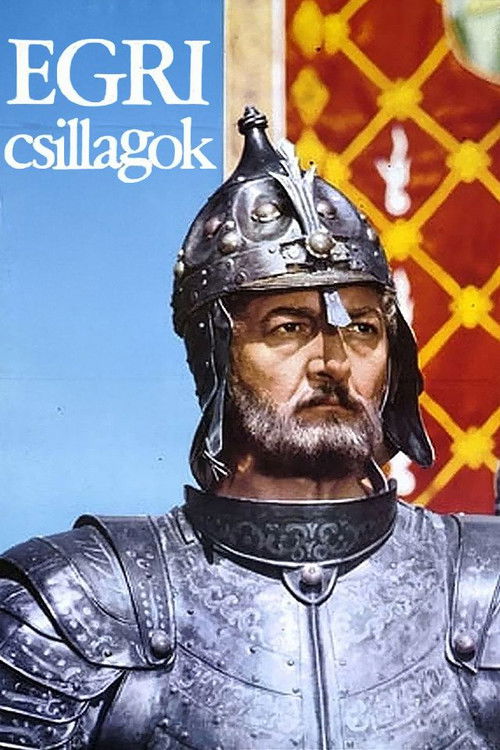
Stars of Eger is a classic historical epic that centers on nationalistic storytelling and romantic heroism. The narrative is built around traditional hierarchies, emphasizing masculine military leadership and the defense of territory. The film adheres to the conventions of mid-century national cinema, celebrating historical resilience while lacking nuanced explorations of diverse social identities. It reinforces established gender roles and cultural binaries typical of the genre. While the film offers a grand canvas for historical drama, it does not delve deeply into multi-layered themes, instead relying on archetypal depictions of 'the other' and traditional romantic clichés.
Category Breakdown
The film focuses on the romantic relationship between Gergely and Éva, with no indication of LGBTQ+ identities or same-sex relationships.
Men like István Dobó and Gergely take center stage in the military leadership. While Éva Cecey is a key romantic figure, tactical leadership remains a male-dominated sphere.
The film portrays a conflict between Hungarian defenders and Ottoman forces, introducing ethnic tension through characters like Jumurdzsak but relying on well-known historical stereotypes.
The film emphasizes patriotism and the defense of the homeland, reinforcing traditional Central European ideas of sovereignty and national identity through military struggles.
No characters are explicitly shown to have disabilities. The term 'half-eyed Turk' is used as a physical description without deeper significance.
Present on Screen
Limited or Absent
Official Synopsis
This romantic and grandiose historical film depicts the era of the constant incursions and heroic battles fought by the defenders of the castle of Eger, led by captain István Dobó, against the heavy odds of superior numbers through the lives and love of Bornemissza Gergely and Cecey Éva. Gergely is inaugurated as a fighter already at the age of 7, when he escapes the captivity of the half-eyed Turk, Jumurdzsak, with Vica and the war-booty. In thirty years' time he becomes the first assistant of captain Dobó and the brain of the castle in the defence of Eger.
1969
1938
1974
1961
1975
1999
1967
1964
No reviews yet. Be the first to share your thoughts on this movie!
Use the rating form above to leave a star rating and optional review.